Questions · Nº 01
Machines
Can they think? Seventy-five years, and nobody has settled it.
01 / 08
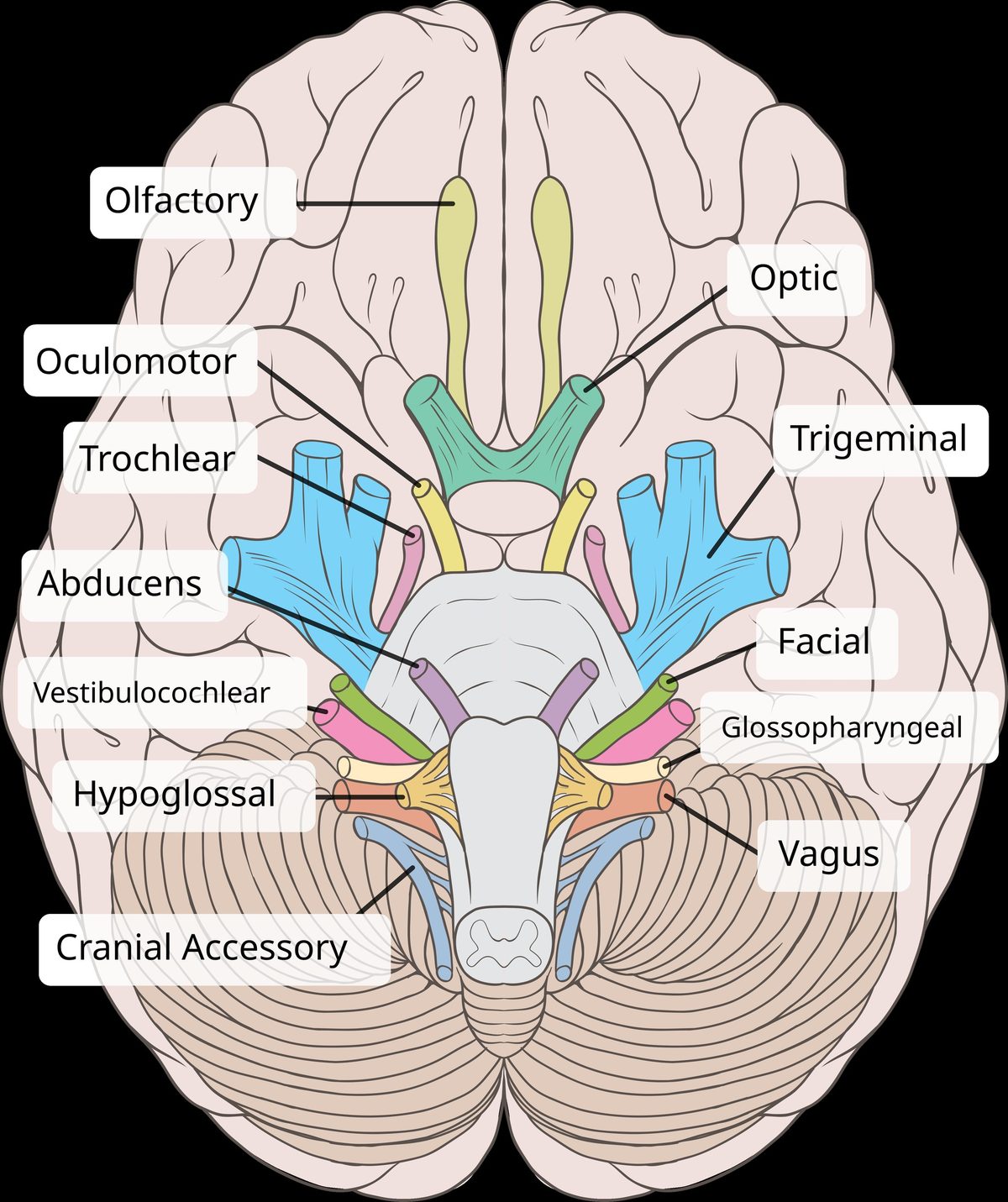
What's actually at stake
why the answer changes everything…
If thinking is just computation, then minds are machines that happen to be wet, and nothing about us is special in kind. If something else is going on, we have to say what. Either answer costs us something we currently believe.
Framing: computationalism vs. its critics; implications for consciousness, moral status, personhood.
02 / 08
“I propose to consider the question, 'Can machines think?'”
Alan Turing
Computing Machinery and Intelligence, 1950
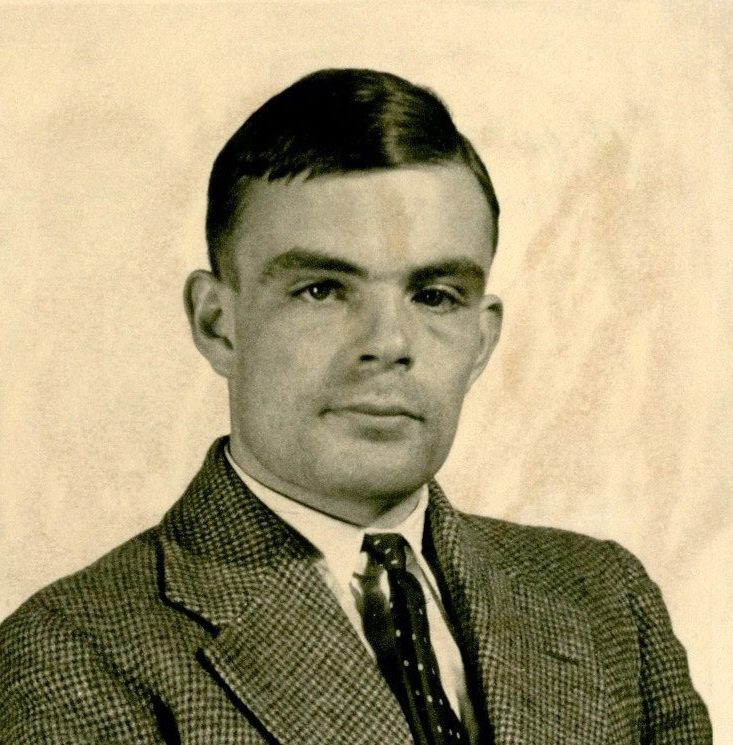
Turing opened with that sentence and then refused it. Defining thought, he decided, was hopeless. So he replaced the question with a test: if a machine can hold a conversation you cannot tell from a human one, stop asking what is happening inside.
Turing, 'Computing Machinery and Intelligence', Mind 59 (1950): 433-460. Opening line verbatim.
03 / 08
30%
his prediction for the year 2000…
He put a number on it. By the end of the century, he thought, a machine would fool an average questioner about thirty per cent of the time after five minutes. Asking whether it *really* thinks, he said, is like asking whether submarines really swim.
Turing predicted <70% correct identification after 5 minutes of questioning, by ~2000.
04 / 08
The room that answers in Chinese
1980, and a thought experiment…
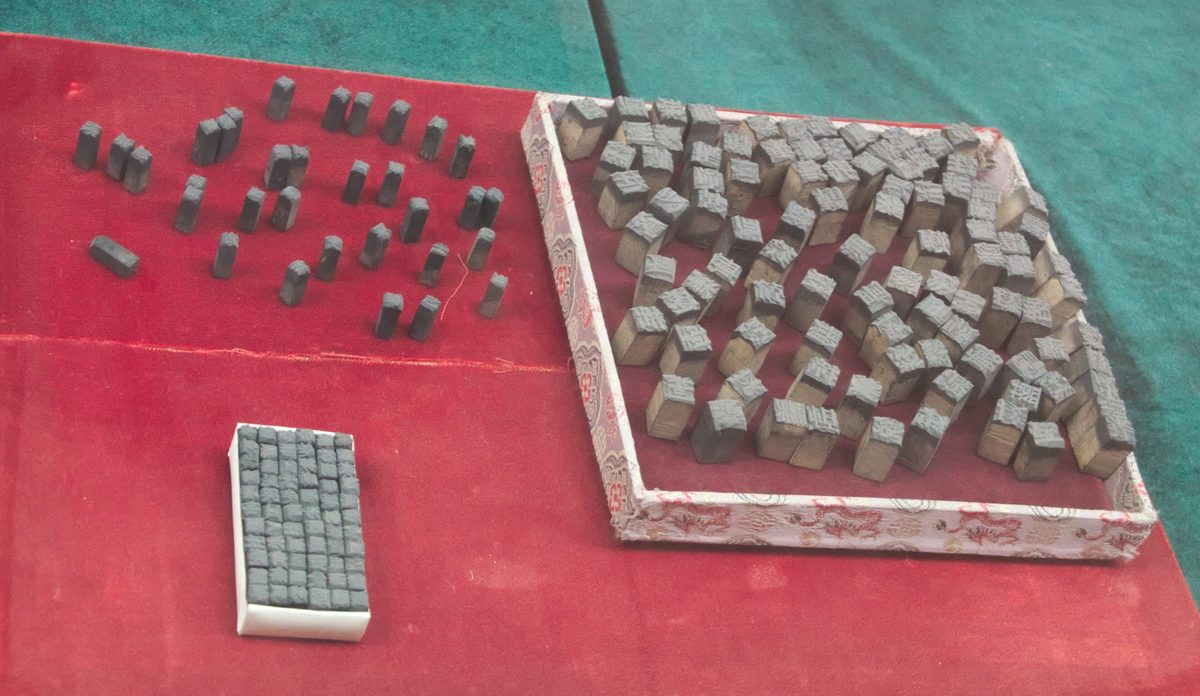
John Searle imagined a man sealed in a room with a rulebook, shuffling Chinese symbols he cannot read. Questions go in, perfect answers come out. The room passes the test and understands nothing. Rules move symbols; they do not make meaning.
Searle, 'Minds, Brains, and Programs', Behavioral and Brain Sciences 3 (1980).
05 / 08

Or the question dissolves
a third way out…
Daniel Dennett offered a way past the argument. We say a chess program wants to protect its queen because that prediction works. We say the same of people. If treating something as a thinker reliably predicts it, that is all thinking ever was — no deeper fact underneath.
Dennett, The Intentional Stance (1987): the predictive stance, not a metaphysical essence.
06 / 08
Where all three break
none of them survives intact…
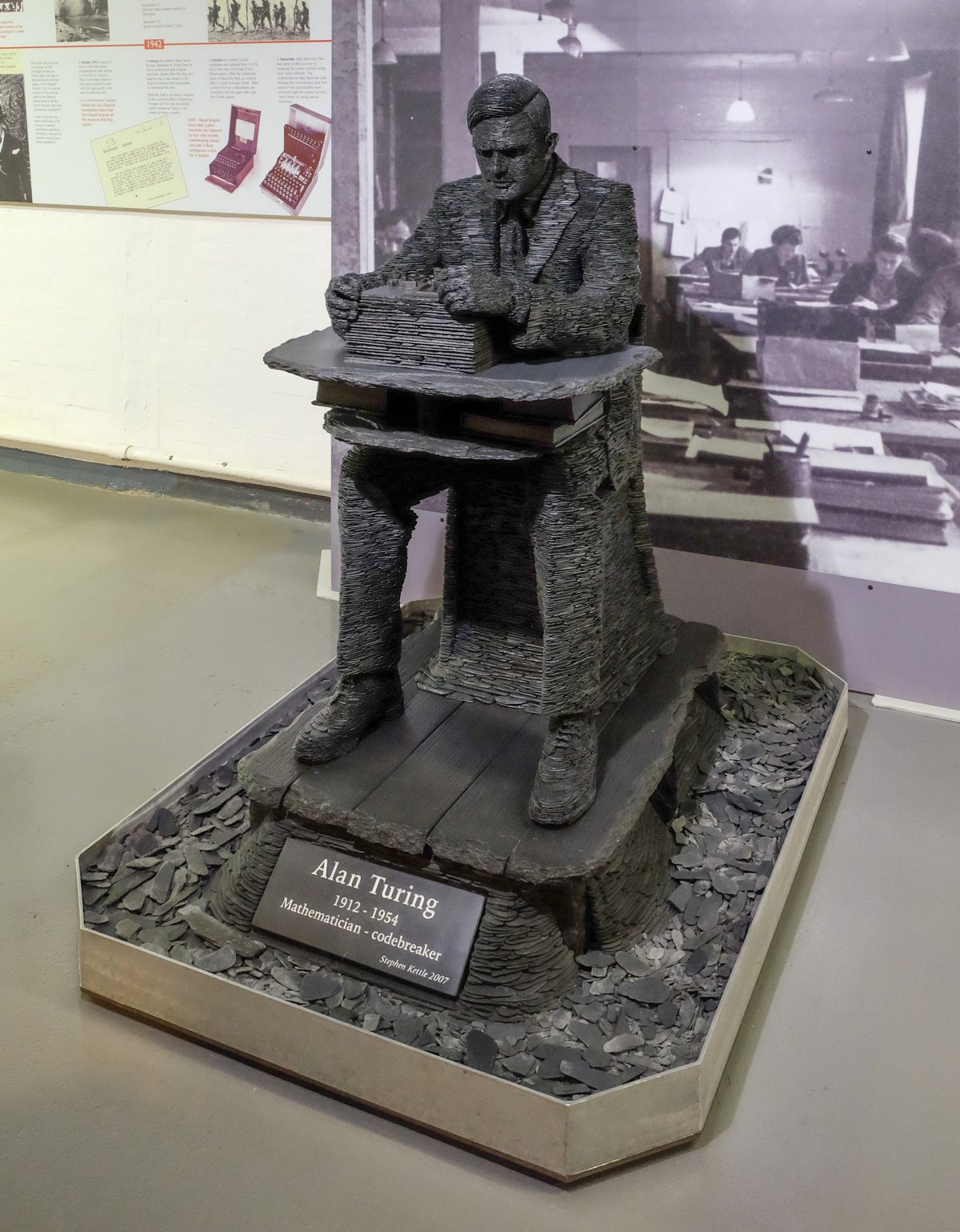
Turing's test can be passed by pattern-matching with nobody home. Searle assumes he knows the room understands nothing — but how? Dennett makes thinking so cheap a thermostat qualifies. Each one avoids the hard part: how anything objective becomes an experience.
Standard objections: systems reply to Searle; over-attribution to Dennett; the explanatory gap.
07 / 08
We are answering it with our hands
while the argument continues…
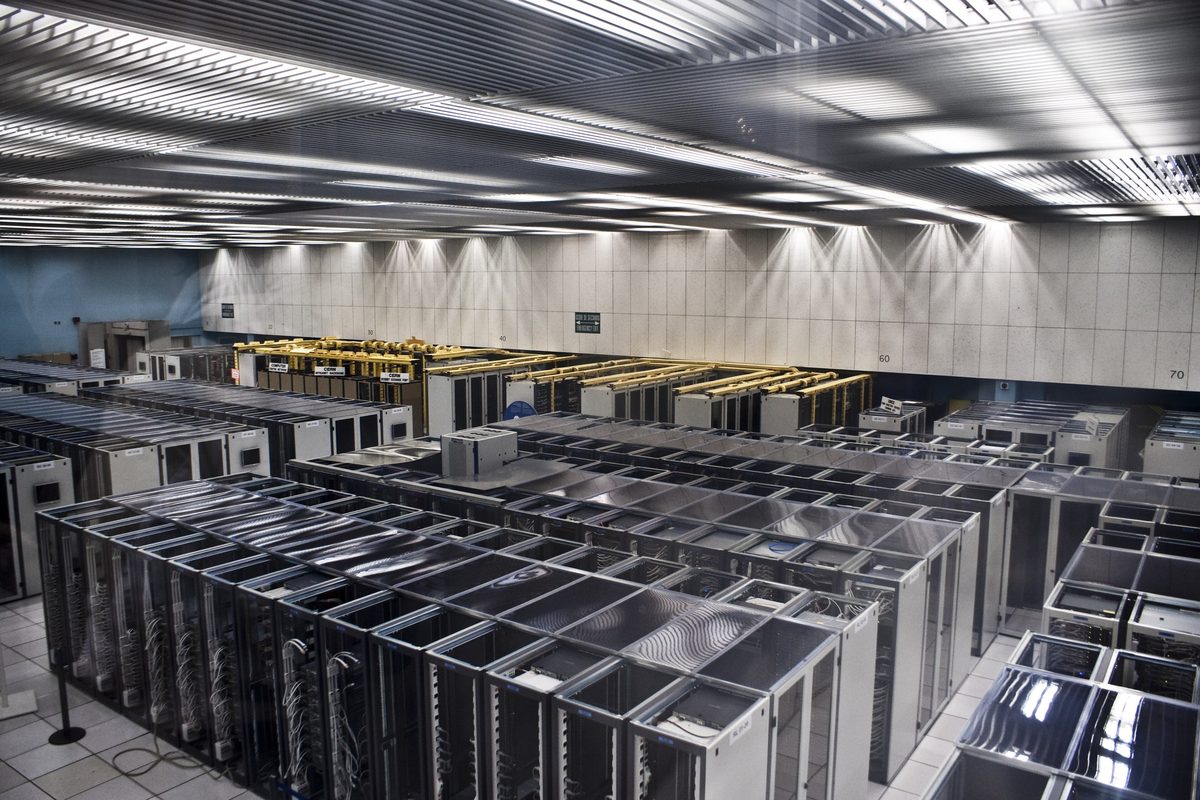
We already hand these systems decisions about medicine and weapons. If Turing was right, we may be making minds without noticing. If Searle was right, we are mistaking a reflection for a face. The philosophy is unfinished and the deployment is not waiting.
Machine decision-making in clinical and military contexts; open question of moral status.
08 / 08
“The question remains open: we still do not know whether thinking requires biology.”
The state of play
Seventy-five years after Turing asked
Language models now produce text that would have astonished him, and the arguments made about them are the ones Turing and Searle made before anyone alive had used a computer. We built the thing before we settled what it would mean if it worked.
Contemporary LLM debate recapitulates Turing-Searle; hard problem unresolved.
Sources
- Framing: computationalism vs. its critics; implications for consciousness, moral status, personhood.
- Turing, 'Computing Machinery and Intelligence', Mind 59 (1950): 433-460. Opening line verbatim.
- Turing predicted <70% correct identification after 5 minutes of questioning, by ~2000.
- Searle, 'Minds, Brains, and Programs', Behavioral and Brain Sciences 3 (1980).
- Dennett, The Intentional Stance (1987): the predictive stance, not a metaphysical essence.
- Standard objections: systems reply to Searle; over-attribution to Dennett; the explanatory gap.
- Machine decision-making in clinical and military contexts; open question of moral status.
- Contemporary LLM debate recapitulates Turing-Searle; hard problem unresolved.
Image credits
- The Turing Bombe Rebuild Project, Bletchley Park, Milton Keynes, Buckinghamshire - geograph.org.uk - 4407962.jpg — Christine Matthews, CC BY-SA 2.0 · Commons
- Brain human normal inferior view with labels en.svg — Brain_human_normal_inferior_view.svg: Patrick J. Lynch, medical illustrator, CC BY 2.5 · Commons
- Alan Turing (1912-1954) in 1936 at Princeton University.jpg — Unknown photographer, Public domain · Commons
- Beijing printing museum.wooden movable types.jpg — Popolon, CC BY-SA 4.0 · Commons
- Schachbrett -- 2021 -- 9676.jpg — Dietmar Rabich, CC BY-SA 4.0 · Commons
- Alan Turing by Stephen Kettle 2007.jpg — DeFacto, CC BY-SA 4.0 · Commons
- CERN Server 03.jpg — Florian Hirzinger - www.fh-ap.com, CC BY-SA 3.0 · Commons


_in_1936_at_Princeton_University.jpg)


