By The Numbers · Nº 02
America
A country in six numbers.
01 / 06
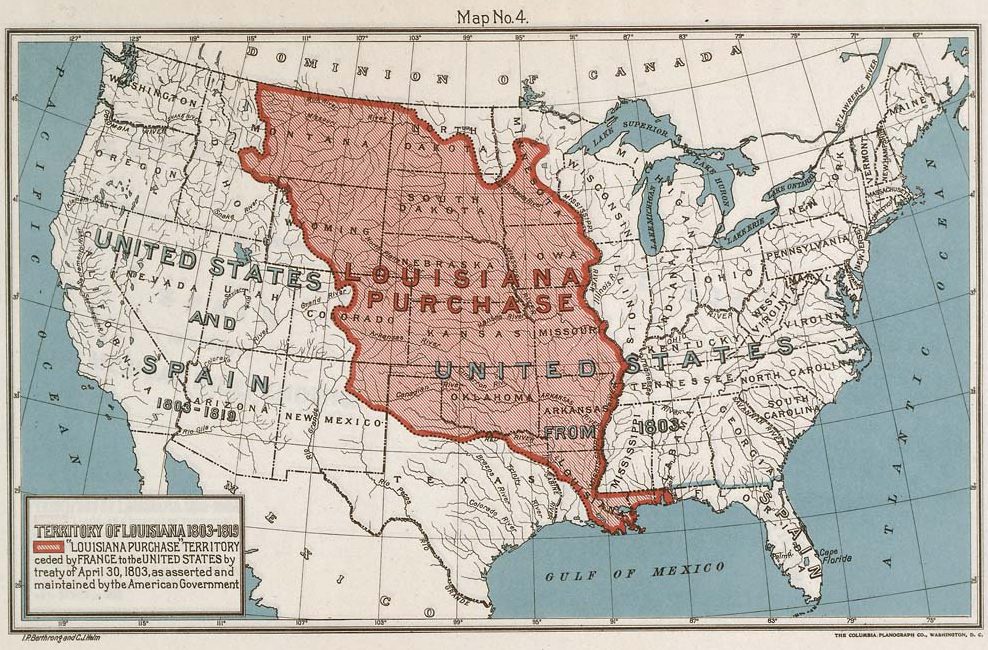
4¢ an acre
what the U.S. paid France in 1803 to double its size overnight — the Louisiana Purchase.
America once bought a third of a continent for about four cents an acre. In 1803, fifteen million dollars to France doubled the entire country — overnight, with a signature.
Louisiana Purchase, 1803 (~$15M, ~828,000 sq mi).
02 / 06
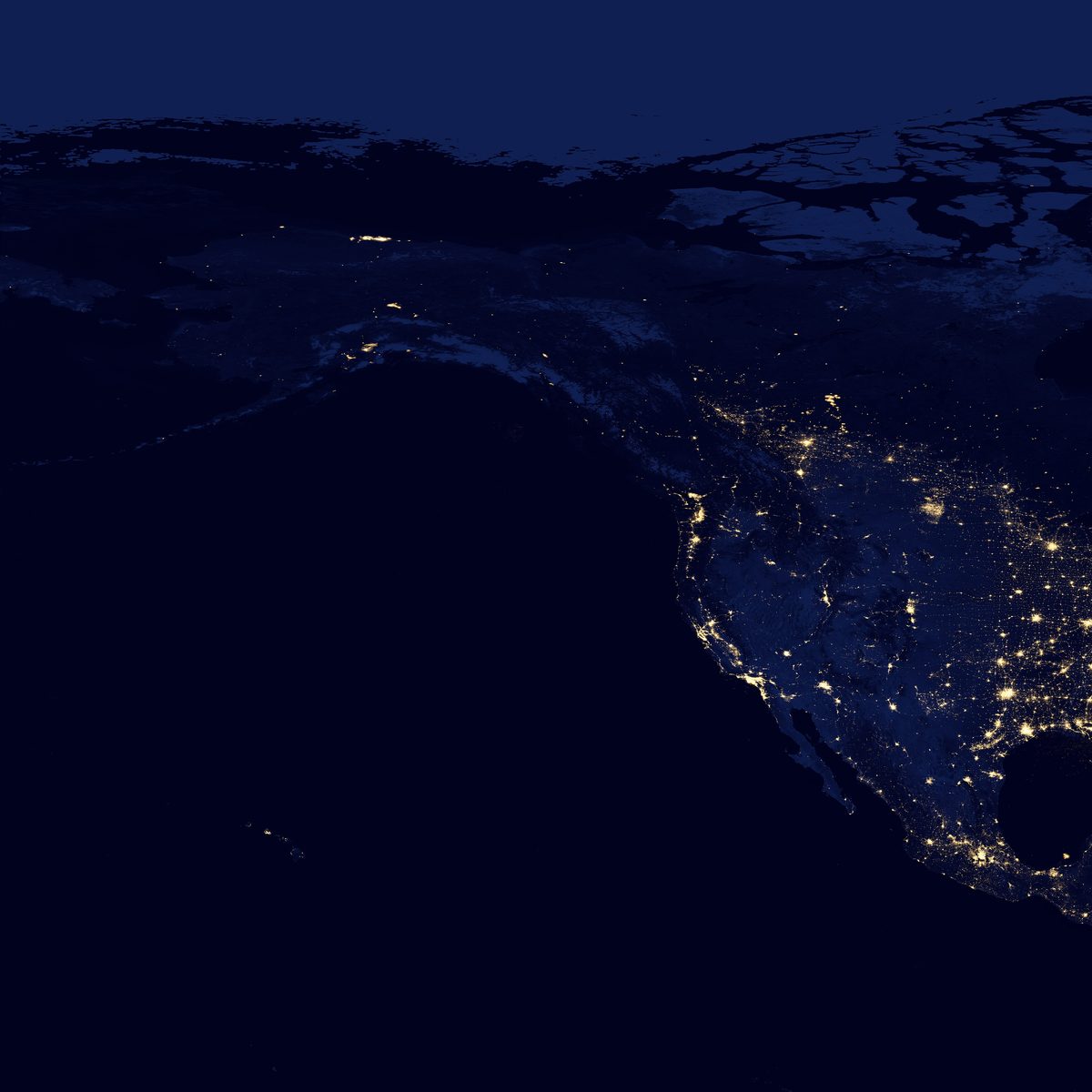
25 %
of the entire world economy is produced by the U.S. — home to barely 4% of its people.
Four percent of humanity lives here; a quarter of everything the world makes comes from here. No country has ever concentrated so much economic weight in so few people.
US ≈25% of world GDP; ≈4.2% of world population (World Bank/IMF).
03 / 06
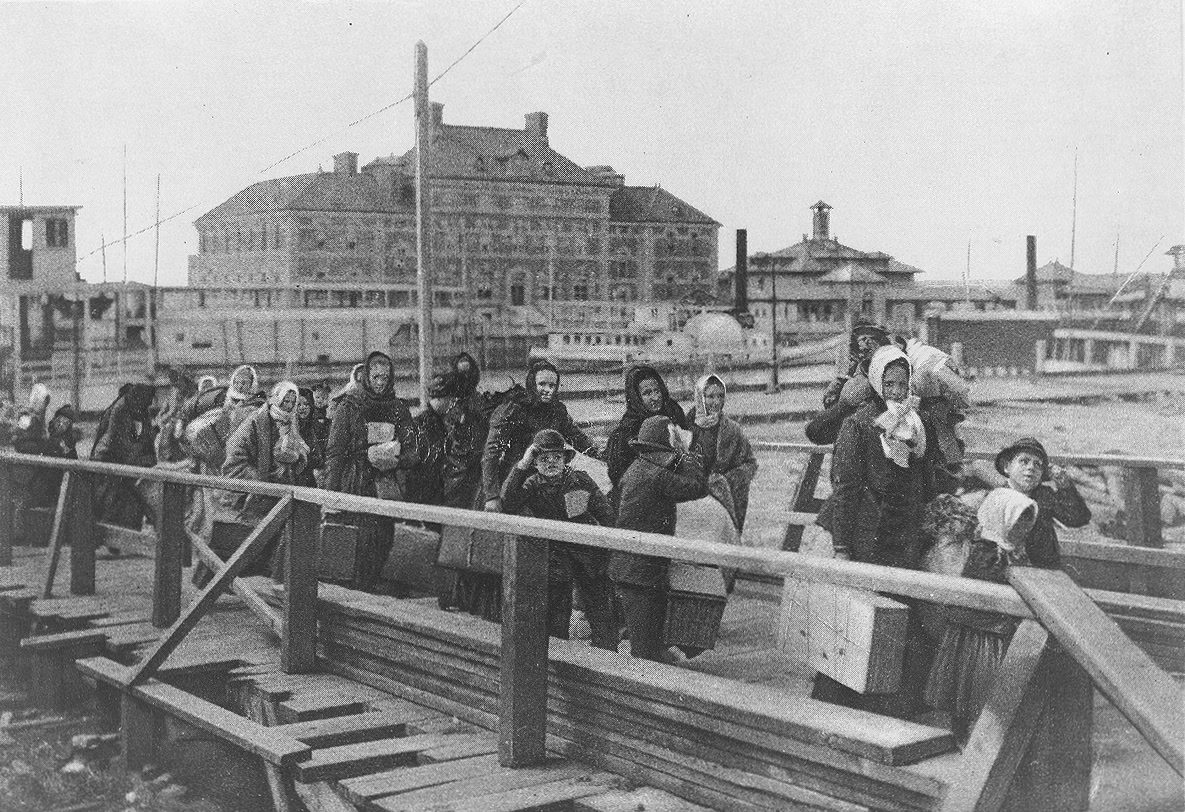
12 million
immigrants passed through Ellis Island between 1892 and 1954 — ancestors of a vast share of Americans today.
Twelve million people passed through one small island in New York Harbor. Most Americans alive today can trace a line back to a name written in those ledgers.
Ellis Island, ~12M immigrants 1892–1954 (US National Park Service).
04 / 06
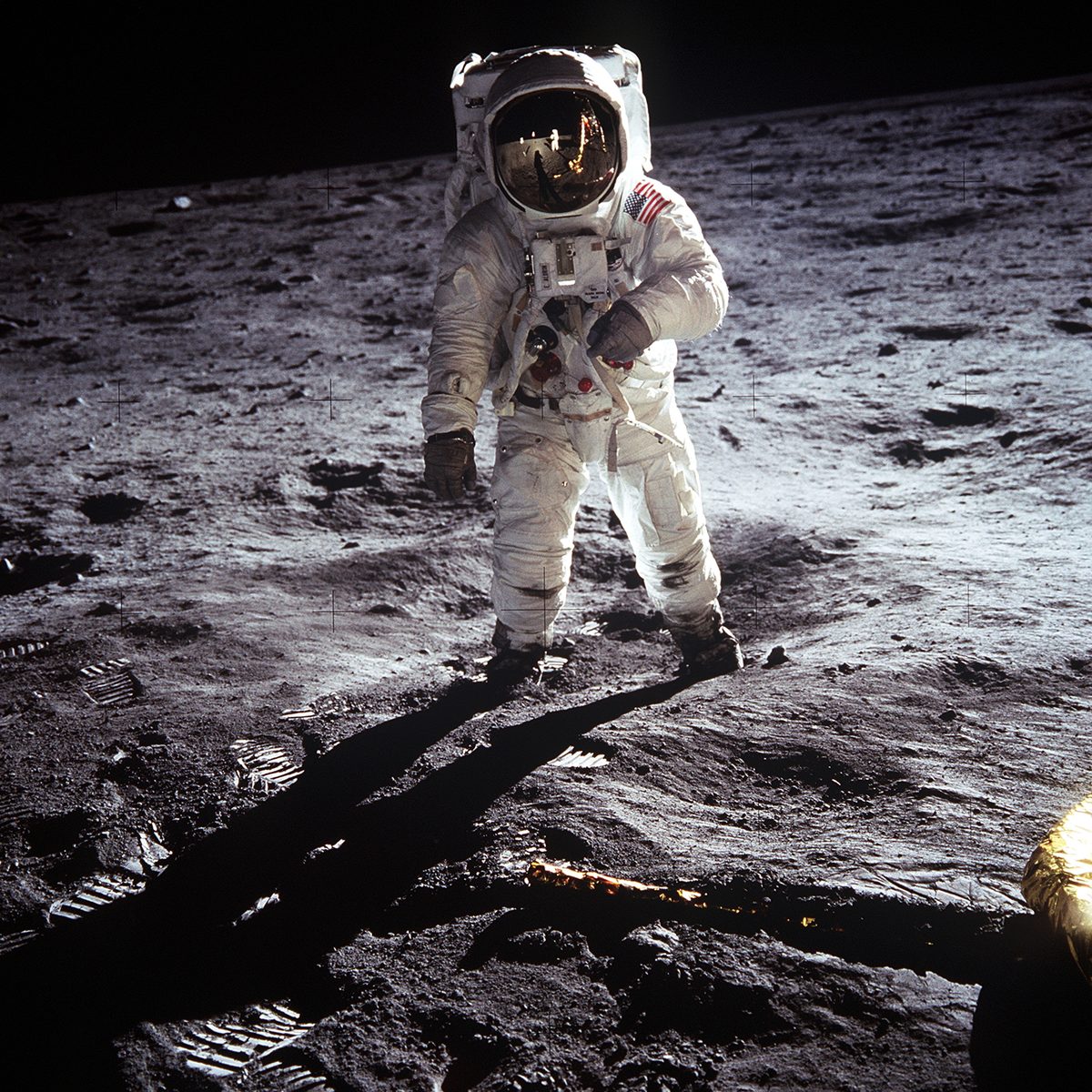
1969
the year 400,000 people and 4% of the federal budget put two humans on the Moon.
In 1969, four hundred thousand people and four percent of the whole federal budget put two humans on the Moon. Half a century later, no nation has returned.
Apollo 11, 1969; peak ~4% of federal budget, ~400,000 workers (NASA).
05 / 06
1st
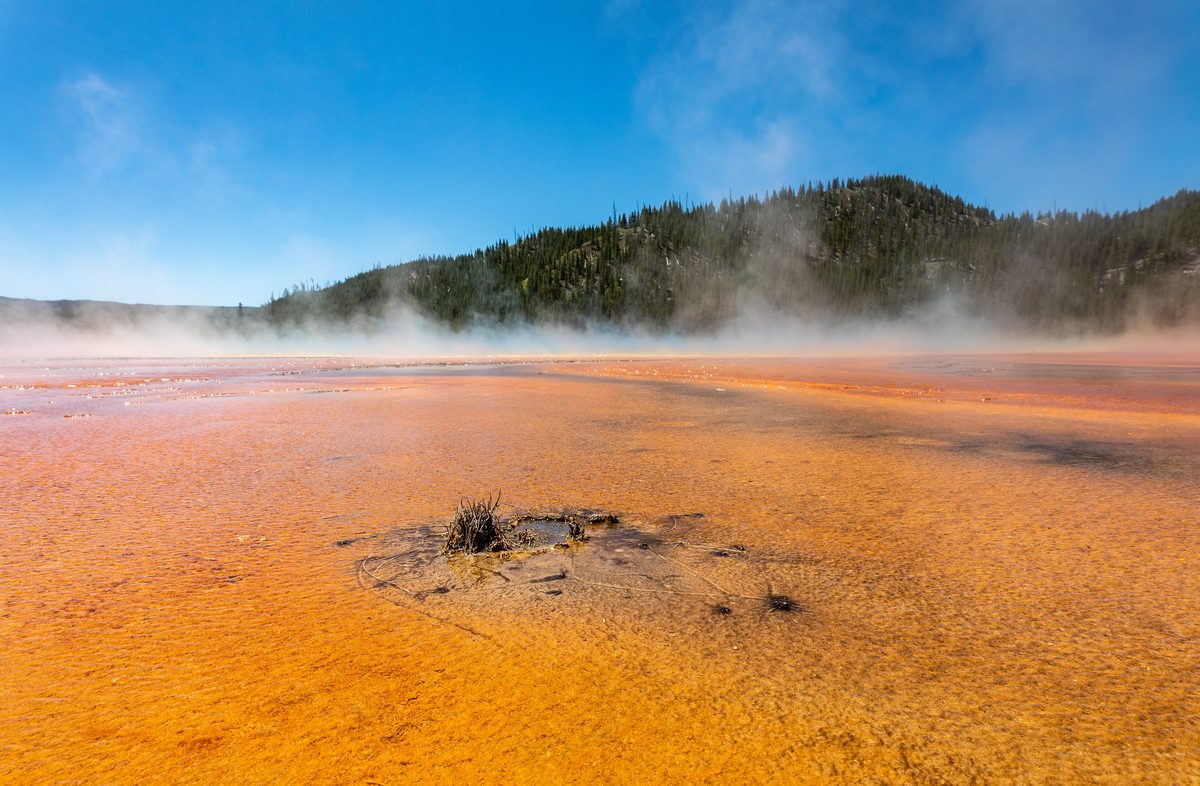
national park in the world — Yellowstone, set aside in 1872. America invented the idea; ~100 countries now have their own.
In 1872, America did something no country had: it set wild land aside for everyone, forever. Yellowstone became the world's first national park — an idea now embraced across a hundred nations.
Yellowstone National Park, established 1872 — first national park in the world.
06 / 06
B−
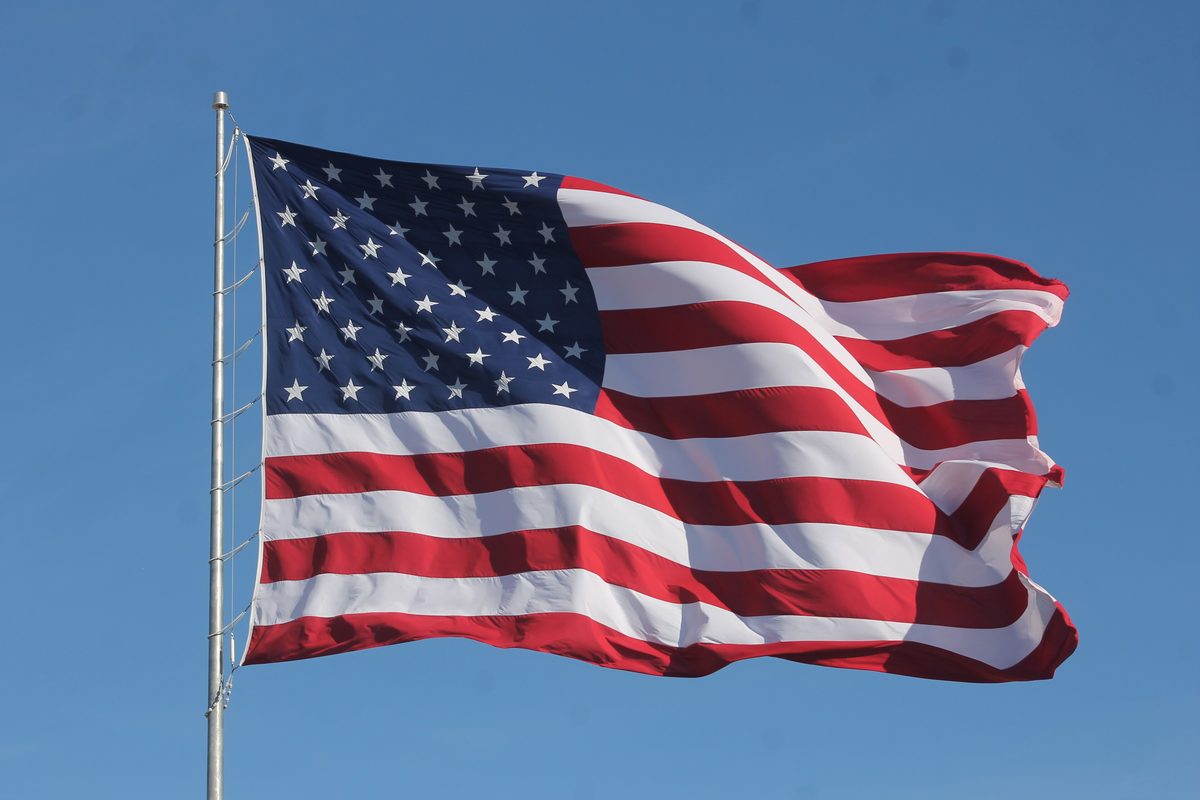
the grade a 17-year-old earned for designing today's 50-star flag — now the longest-flying version in history.
The fifty-star flag over America was a teenager's homework. Robert Heft designed it in 1958 for a school project; his teacher gave him a B-minus.
Robert G. Heft, 50-star flag, 1958 (adopted 1959–60).
Sources
- Louisiana Purchase, 1803 (~$15M, ~828,000 sq mi).
- US ≈25% of world GDP; ≈4.2% of world population (World Bank/IMF).
- Ellis Island, ~12M immigrants 1892–1954 (US National Park Service).
- Apollo 11, 1969; peak ~4% of federal budget, ~400,000 workers (NASA).
- Yellowstone National Park, established 1872 — first national park in the world.
- Robert G. Heft, 50-star flag, 1958 (adopted 1959–60).
Image credits
- Statue of Liberty frontal 2.jpg — Daniel Schwen, Public domain · Commons
- Geography 028 - Map of the Louisiana Purchase - 1803.jpg — BioKnowlogy, Public domain · Commons
- Western North America at night by VIIRS.jpg — NASA Earth Observatory, Public domain · Commons
- Ellis island 1902.jpg — Unknown author, Public domain · Commons
- Aldrin Apollo 11.jpg — Neil A. Armstrong, Public domain · Commons
- Yellowstone National Park (WY, USA), Grand Prismatic Spring -- 2022 -- 2514.jpg — Dietmar Rabich, CC BY-SA 4.0 · Commons
- American Flag Waving on a Flag Pole.jpg — Noah Wulf, CC BY-SA 4.0 · Commons


,_Grand_Prismatic_Spring_--_2022_--_2514.jpg)

More from By The Numbers
Nº 01
Underfoot
Six numbers from under your feet.
Nº 03
The Brain
Six numbers from inside your head.
Nº 04
Reason
Your reasoning mind is a storyteller, not a judge.
Nº 05
Ciphers
The oldest arms race: keeping secrets, and breaking them.
Nº 06
Concrete
We made it stronger by putting steel in it, and gave it an expiry date.
Nº 07
Ice
The only common solid that floats on its own liquid — and the reason anything survives a winter.