By The Numbers · Nº 03
The Brain
Six numbers from inside your head.
01 / 06
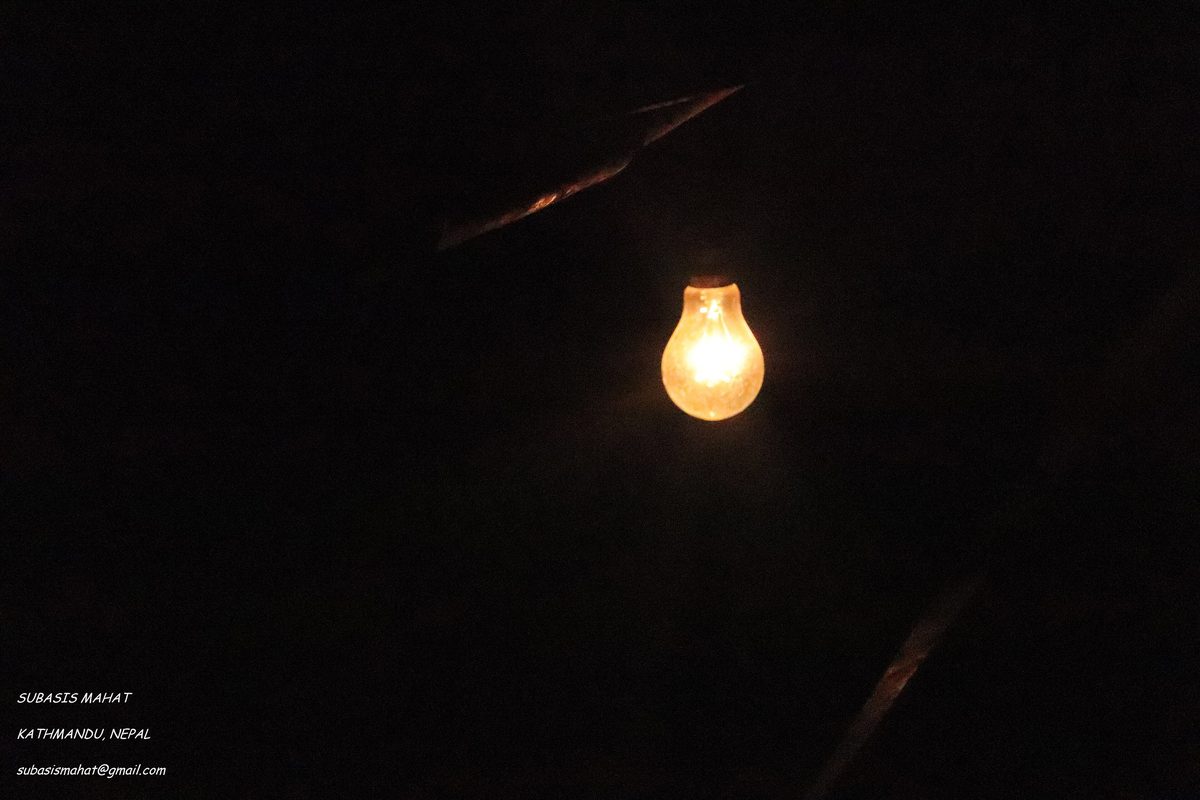
20 watts
the power your brain runs on — about a dim lightbulb — while outthinking any computer ever built.
Your brain runs on about twenty watts — a dim lightbulb. The most powerful supercomputers use millions of times more energy and still can't do what it does over breakfast.
Brain ≈20 W; ~20% of resting metabolism at ~2% of body mass.
02 / 06

1,000,000 /sec
new connections the brain forms every second in early childhood — the fastest it will ever wire itself.
In your first years the brain builds over a million new connections every second — the fastest it will ever wire itself. It's why early experience shapes everything after.
Harvard Center on the Developing Child: >1M new neural connections/sec in the first years.
03 / 06
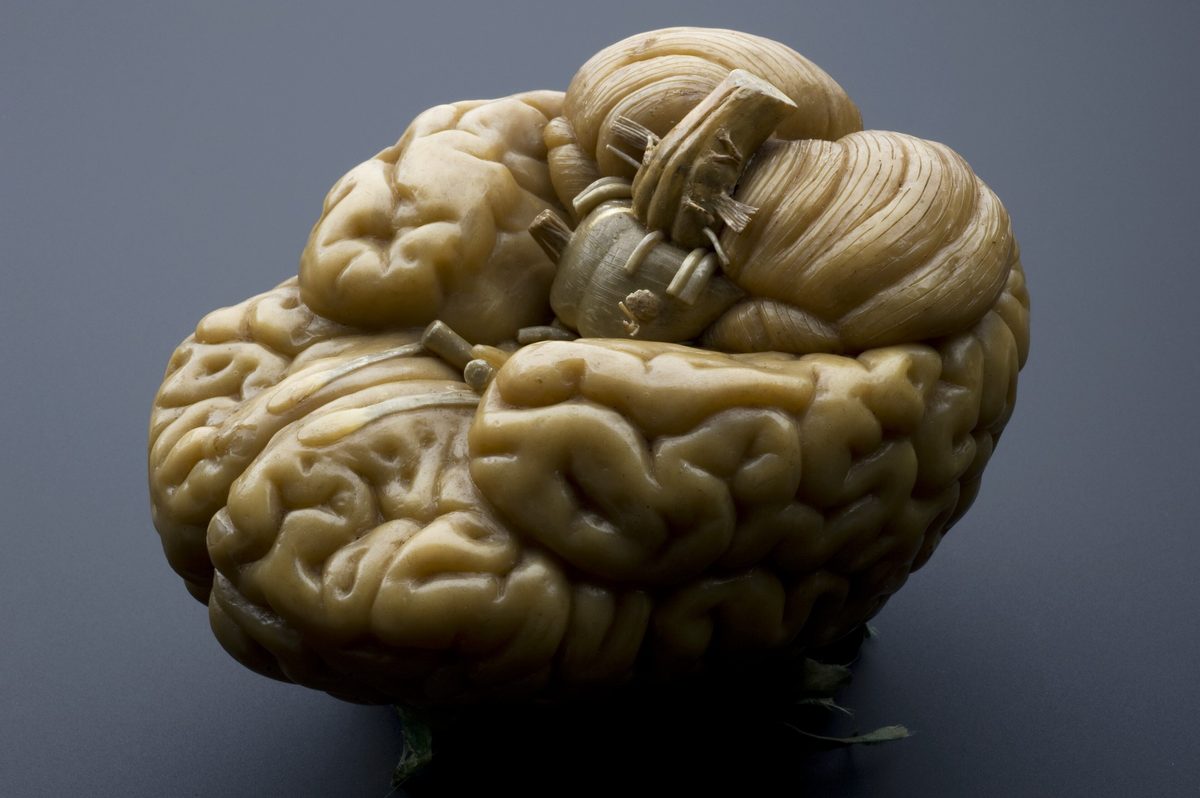
0
pain receptors in the brain itself — the reason surgeons can operate on it while you're awake and talking.
The brain builds every pain you feel, yet has no pain sensors of its own — which is why surgeons can operate on it while you're awake, talking or playing guitar.
Brain parenchyma has no nociceptors — basis of awake craniotomy.
04 / 06
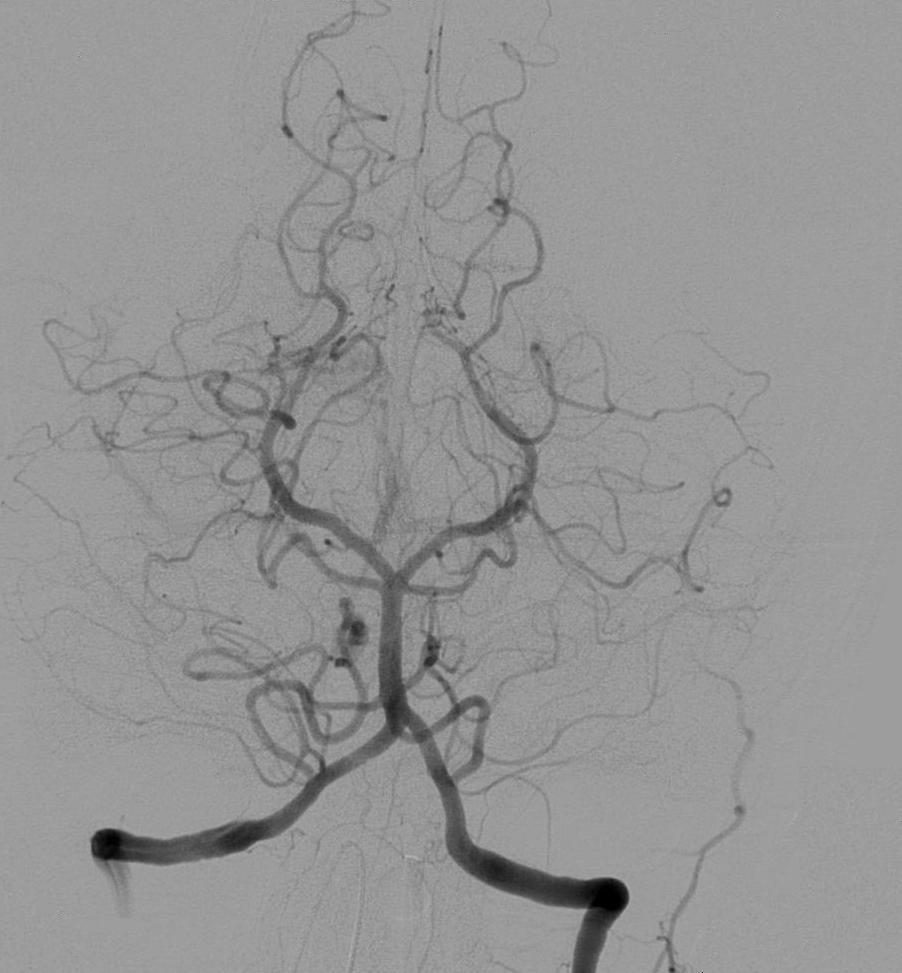
10 seconds
how long consciousness lasts if blood to the brain stops — it keeps almost no fuel of its own.
Cut the blood to your brain and consciousness fades in about ten seconds. The most complex object we know of keeps almost no fuel of its own.
Cerebral circulatory arrest → loss of consciousness in ~10 s (syncope physiology).
05 / 06
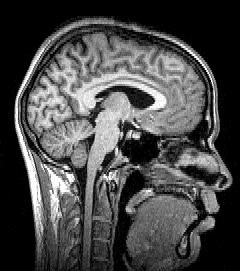
200 million
nerve fibres in the bridge between your two brain-halves. Sever it, and each half can act on its own.
Two hundred million fibres link your brain's halves. Sever that bridge — as surgeons once did for epilepsy — and each half can act alone: two centres of awareness in one skull.
Corpus callosum ~200M axons; split-brain work, Sperry (Nobel 1981).
06 / 06
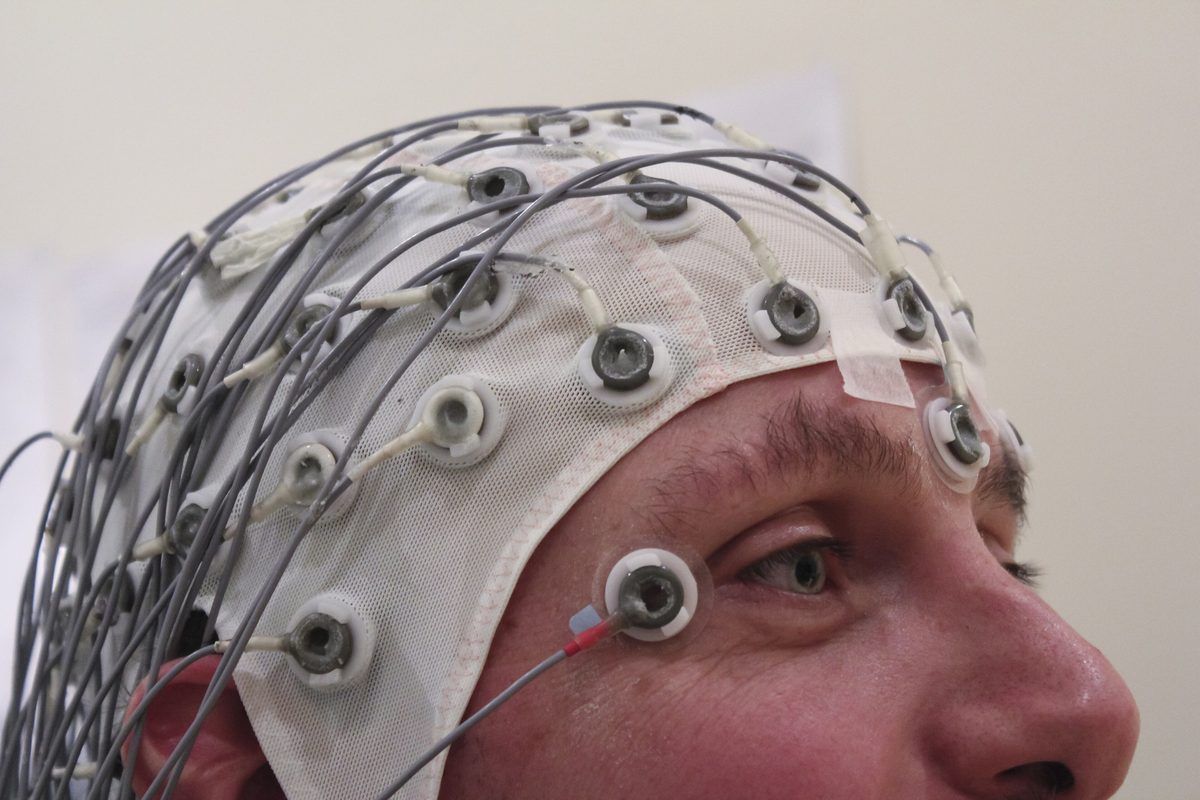
0.3 seconds
how far ahead of your conscious 'decision' the brain's action signal can be measured — the free-will puzzle.
Before you consciously decide to move, your brain has already begun — the signal appears up to a third of a second early. Who, exactly, is deciding? Neuroscience still argues.
Libet et al., 1983 — readiness potential precedes reported intention.
Sources
- Brain ≈20 W; ~20% of resting metabolism at ~2% of body mass.
- Harvard Center on the Developing Child: >1M new neural connections/sec in the first years.
- Brain parenchyma has no nociceptors — basis of awake craniotomy.
- Cerebral circulatory arrest → loss of consciousness in ~10 s (syncope physiology).
- Corpus callosum ~200M axons; split-brain work, Sperry (Nobel 1981).
- Libet et al., 1983 — readiness potential precedes reported intention.
Image credits
- GFP Neurons.png — ManuelSchottdorf, CC BY-SA 4.0 · Commons
- Filament bulb.jpg — Subasis Mahat, CC BY-SA 4.0 · Commons
- Sleeping baby, Moscow, Russia.jpg — Vyacheslav Argenberg, CC BY 4.0 · Commons
- Model of a human brain, Europe, 1801-1850 Wellcome L0057095.jpg — Unknown, CC BY 4.0 · Commons
- Cerebral angiography, arteria vertebralis sinister injection.JPG — Lipothymia, Public domain · Commons
- Sagittal brain MRI.jpg — Genesis12~enwiki at English Wikipedia, CC BY-SA 2.5 · Commons
- EEG Recording Cap.jpg — Chris Hope, CC BY 2.0 · Commons


More from By The Numbers

Nº 01
Underfoot
Six numbers from under your feet.

Nº 02
America
A country in six numbers.
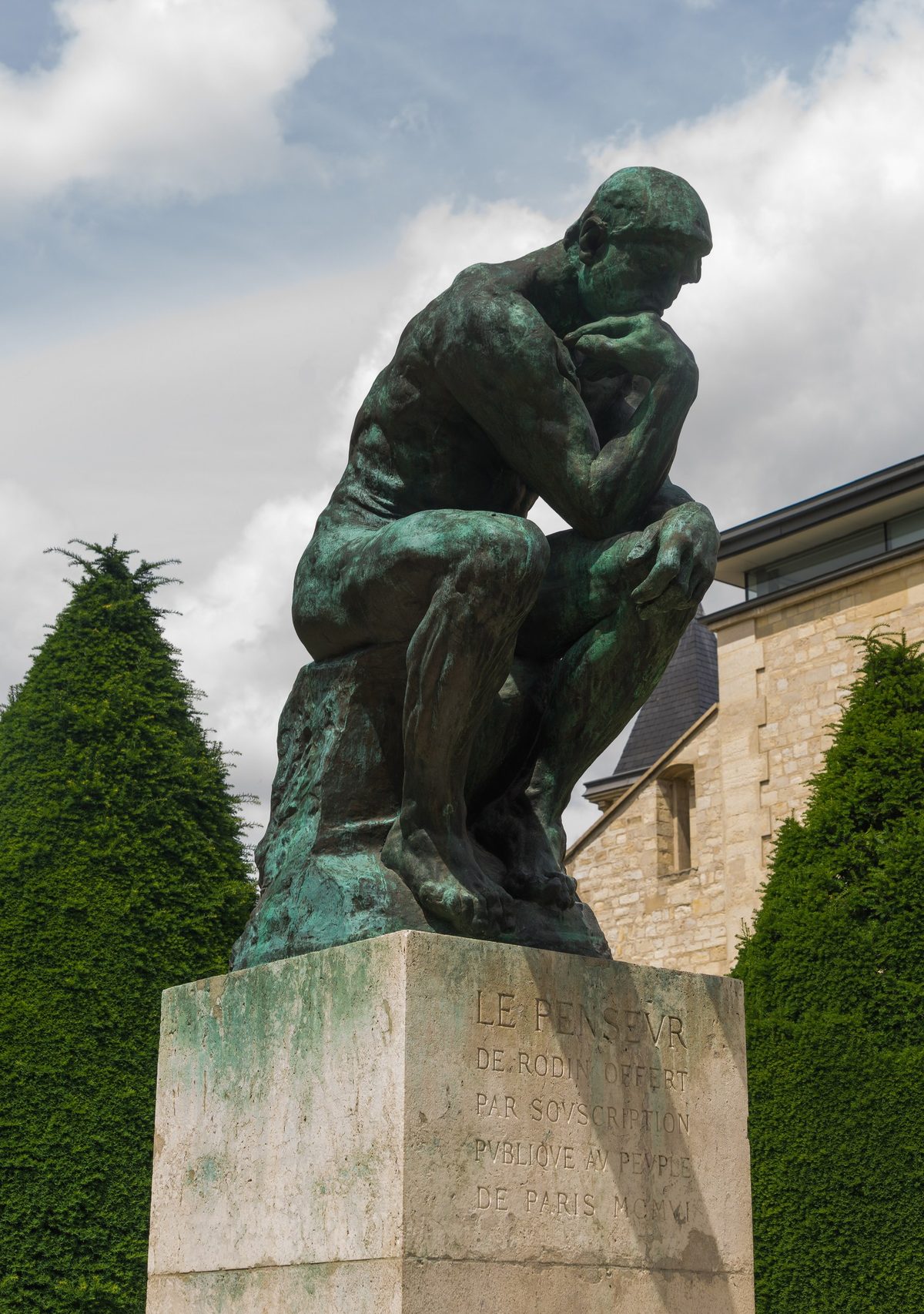
Nº 04
Reason
Your reasoning mind is a storyteller, not a judge.
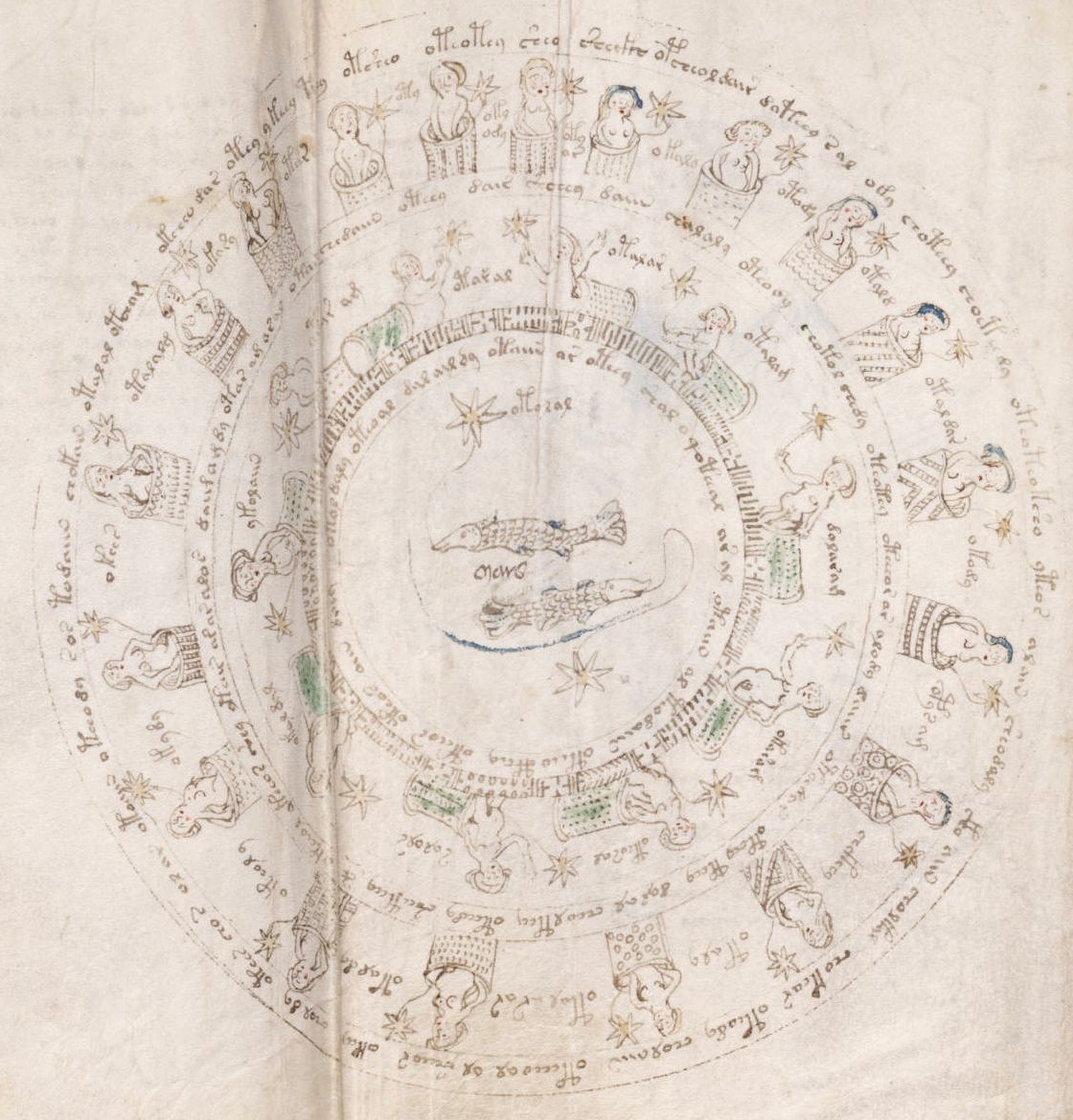
Nº 05
Ciphers
The oldest arms race: keeping secrets, and breaking them.
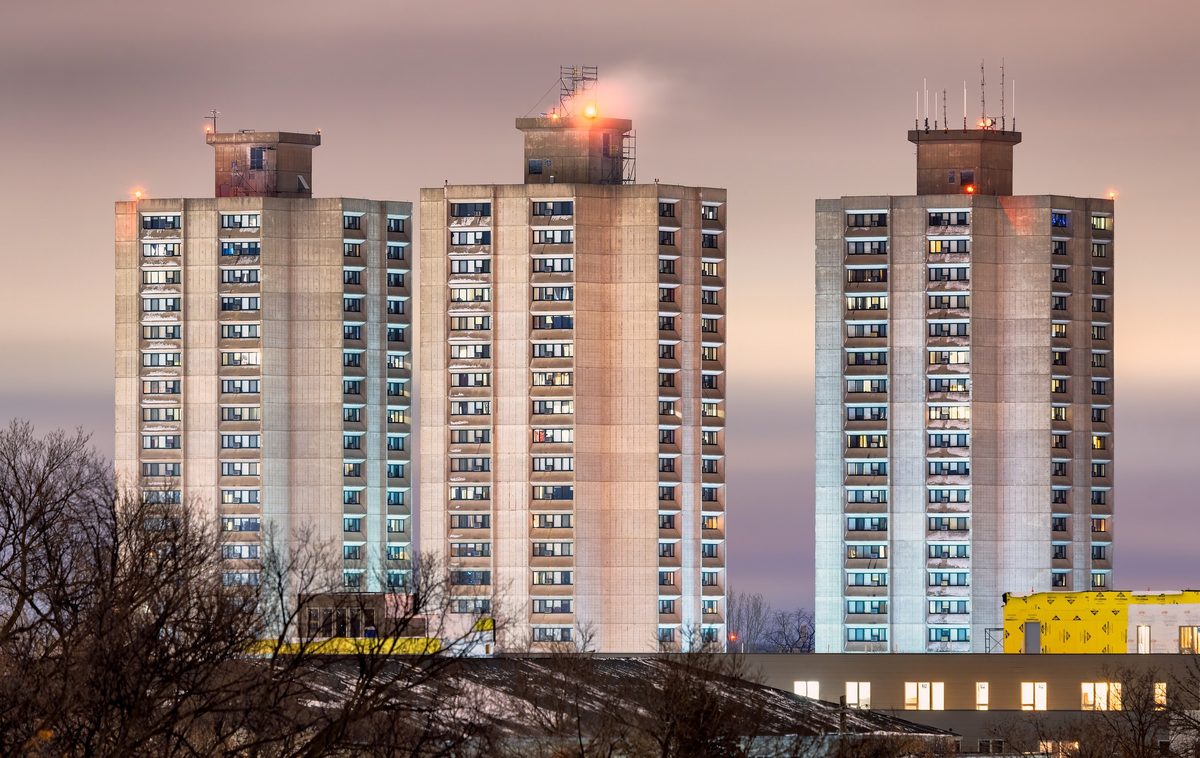
Nº 06
Concrete
We made it stronger by putting steel in it, and gave it an expiry date.

Nº 07
Ice
The only common solid that floats on its own liquid — and the reason anything survives a winter.