By The Numbers · Nº 04
Reason
Your reasoning mind is a storyteller, not a judge.
01 / 08
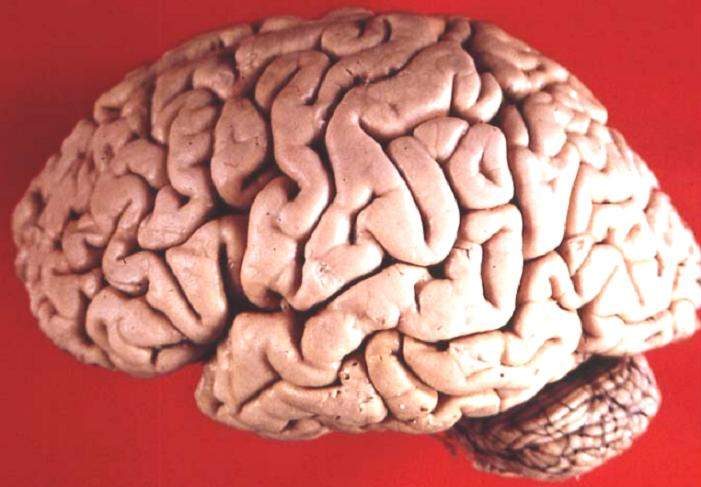
The mind's press secretary
when the split brain acts on hidden information, the talking half instantly invents a confident reason — and believes it.
In split-brain patients, one hemisphere is fed a secret instruction. The other half, the one that speaks, has no idea why the body just moved — so it invents a reason on the spot, fluent and confident, with no clue it's making it up. Your reason may be a press secretary, explaining decisions it didn't make.
Gazzaniga split-brain studies, 1970s — the left-hemisphere 'interpreter.'
02 / 08
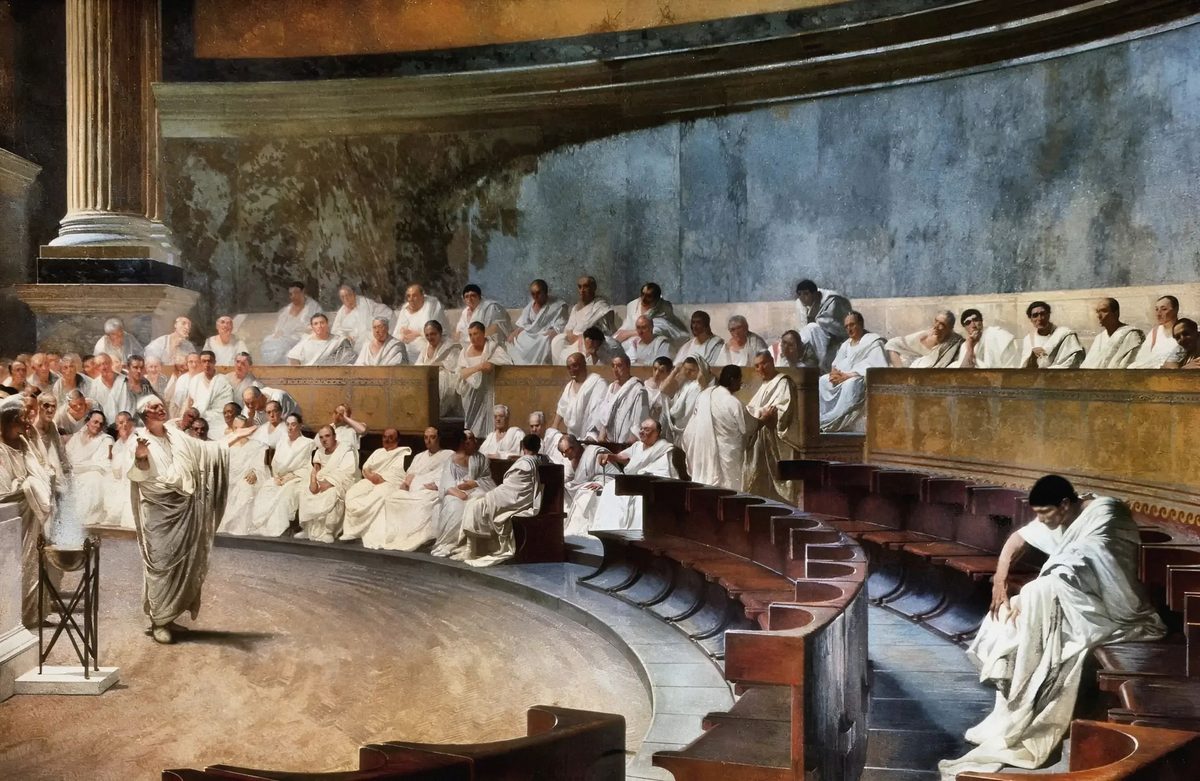
Built to win, not to know
reason may have evolved less to find the truth alone than to win arguments in a group — a social defense attorney.
Why is reason so much sharper at attacking someone else's argument than checking your own? One theory: it didn't evolve for solitary truth-seeking. It evolved to persuade — a defense attorney for whatever you already believe. Which is why it works best not alone, but in argument.
Mercier & Sperber, 'Why do humans reason?' (2011).
03 / 08
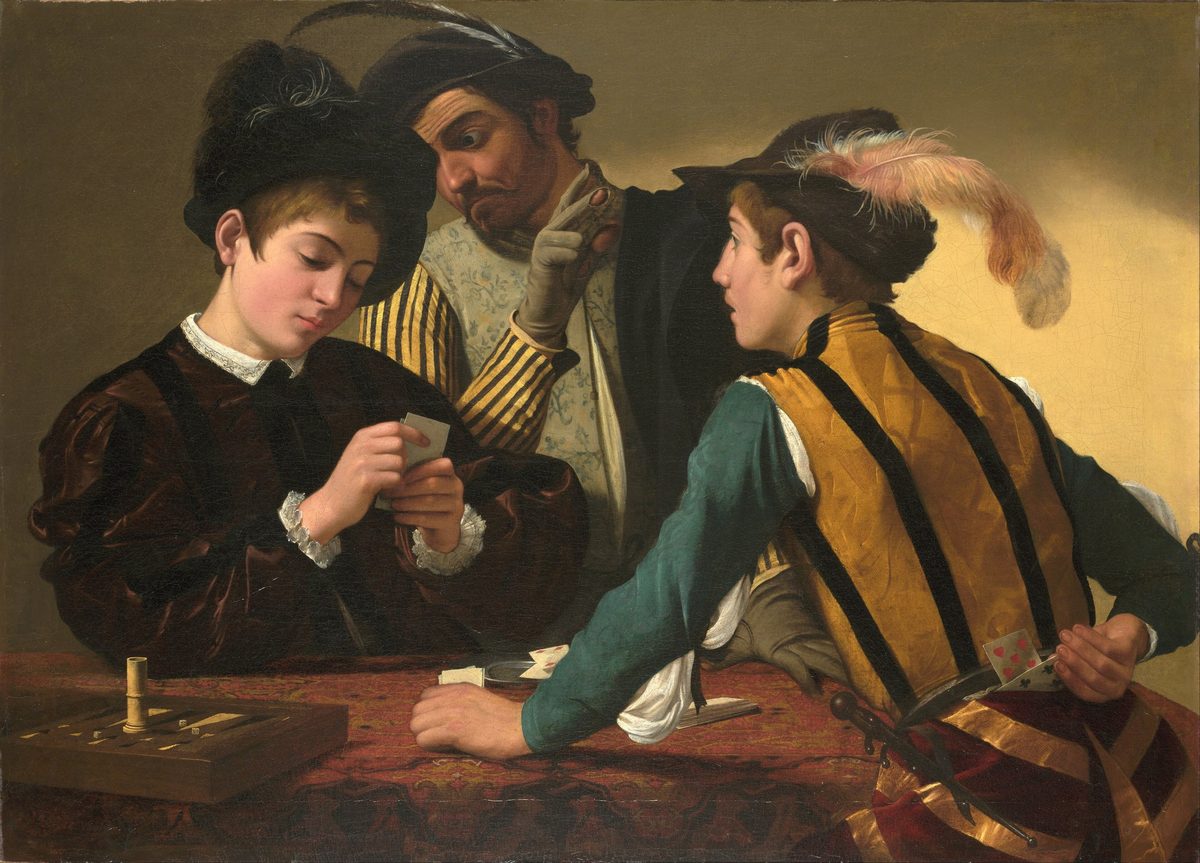
75%
solve a logic puzzle when it's framed as catching a cheater — under 10% solve the identical puzzle in the abstract.
Give people a logic puzzle in pure symbols, and fewer than one in ten solve it. Reframe the exact same logic as catching someone breaking a social rule, and three in four get it instantly. We aren't built for abstract logic. We're built to catch cheaters.
Wason selection task, 1966; Cosmides social-contract versions, 1989.
04 / 08
20%
of the body's energy is burned by an organ just 2% of its weight — and deliberate reasoning is the costliest thought of all.
Your brain is two percent of your body and burns a fifth of its energy. And the most expensive thing it does is slow, deliberate reasoning. Thinking hard is, quite literally, metabolically costly — which is why the mind is always looking for a shortcut.
Brain ≈2% of body mass, ~20% of resting energy; deliberate reasoning is metabolically demanding.
05 / 08
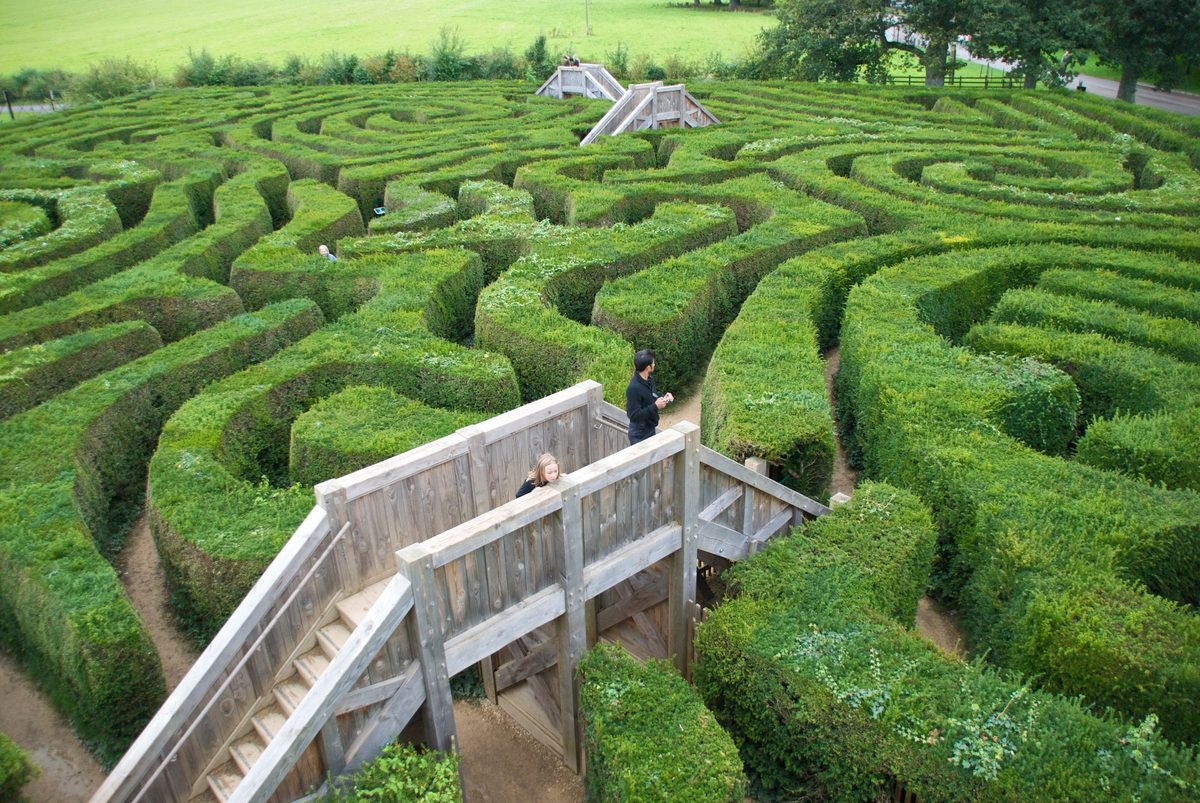
1978
Herbert Simon wins a Nobel for a quiet heresy: we don't optimize. We 'satisfice' — take the first option that's good enough.
In 1978, Herbert Simon won the Nobel for a simple, unsettling idea. Real minds don't find the best answer — they can't. They satisfice: they search a little, and take the first option that's good enough. Bounded rationality. Not the perfect choice. The workable one.
Herbert Simon, Nobel Memorial Prize in Economics, 1978; 'bounded rationality' and 'satisficing.'
06 / 08
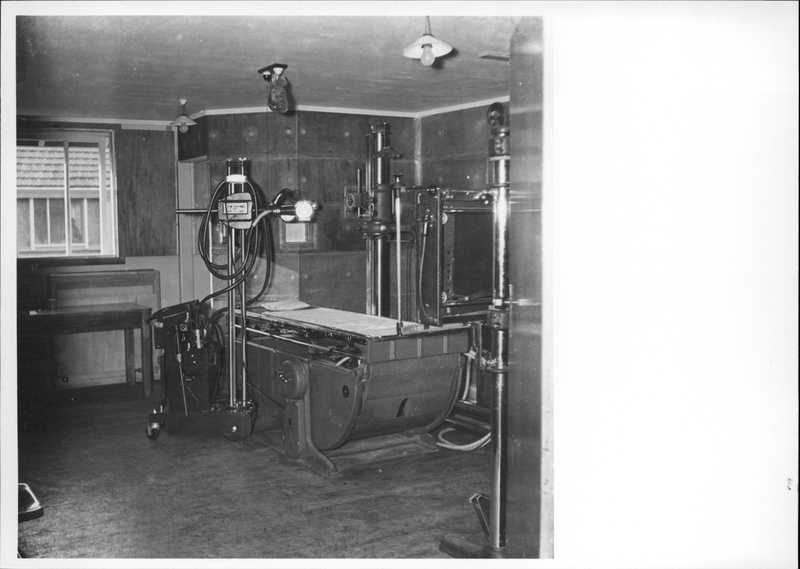
90%
survival — and patients accept the surgery. Told the same fact as '10% mortality,' they refuse it.
Tell people a surgery has a ninety percent survival rate, and they'll take it. Tell them it has a ten percent death rate, and they refuse. It's the same number, the same fact. Reason doesn't run on the truth. It runs on the wording.
Framing effect: McNeil, Tversky et al., survival-vs-mortality framing of surgery.
07 / 08

The man who couldn't choose
brain-damaged in the emotion centers, Damasio's patient kept a flawless intellect — and lost all power to decide, even between two dates.
Damasio's patient lost a small piece of his brain — the part that ties reason to feeling. His intelligence was untouched. His logic, perfect. But he could no longer decide anything. He'd spend half an hour weighing two appointment dates and choose neither. Pure reason, it turns out, cannot choose at all.
Antonio Damasio, patient 'Elliot,' ventromedial prefrontal damage; Descartes' Error (1994).
08 / 08
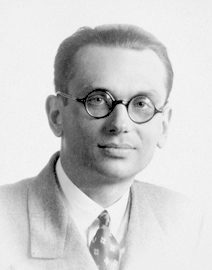
1931
Gödel proves that any logical system big enough to do arithmetic holds truths it can never prove. Even perfect reason has a wall.
In 1931, Kurt Gödel proved something that still hasn't been undone. Any system of logic powerful enough to do basic arithmetic contains true statements it can never prove. Not yet — never. Even flawless reason runs into walls it cannot cross. Knowing where they are is the beginning of wisdom.
Gödel's incompleteness theorems, 1931.
Sources
- Gazzaniga split-brain studies, 1970s — the left-hemisphere 'interpreter.'
- Mercier & Sperber, 'Why do humans reason?' (2011).
- Wason selection task, 1966; Cosmides social-contract versions, 1989.
- Brain ≈2% of body mass, ~20% of resting energy; deliberate reasoning is metabolically demanding.
- Herbert Simon, Nobel Memorial Prize in Economics, 1978; 'bounded rationality' and 'satisficing.'
- Framing effect: McNeil, Tversky et al., survival-vs-mortality framing of surgery.
- Antonio Damasio, patient 'Elliot,' ventromedial prefrontal damage; Descartes' Error (1994).
- Gödel's incompleteness theorems, 1931.
Image credits
- Le Penseur Musée Rodin Paris S.1295.jpg — Auguste Rodin, CC0 · Commons
- Human brain lateral view.JPG — John A Beal, PhD, CC BY 2.5 · Commons
- Cicero Denounces Catiline in the Roman Senate by Cesare Maccari.png — Cesare Maccari, Public domain · Commons
- Caravaggio (Michelangelo Merisi) - The Cardsharps - Google Art Project.jpg — Caravaggio, Public domain · Commons
- Würfelzucker -- 2018 -- 3564.jpg — Dietmar Rabich, CC BY-SA 4.0 · Commons
- Longleat-maze.jpg — Niki Odolphie from Frome, England, CC BY 2.0 · Commons
- Operating Theatre, 1092790.jpg — Unknown, Public domain · Commons
- Two roads diverge in a wood - geograph.org.uk - 594238.jpg — William Bartlett, CC BY-SA 2.0 · Commons
- Kurt gödel.jpg — Unknown author, Public domain · Commons


_-_The_Cardsharps_-_Google_Art_Project.jpg)


More from By The Numbers

Nº 01
Underfoot
Six numbers from under your feet.
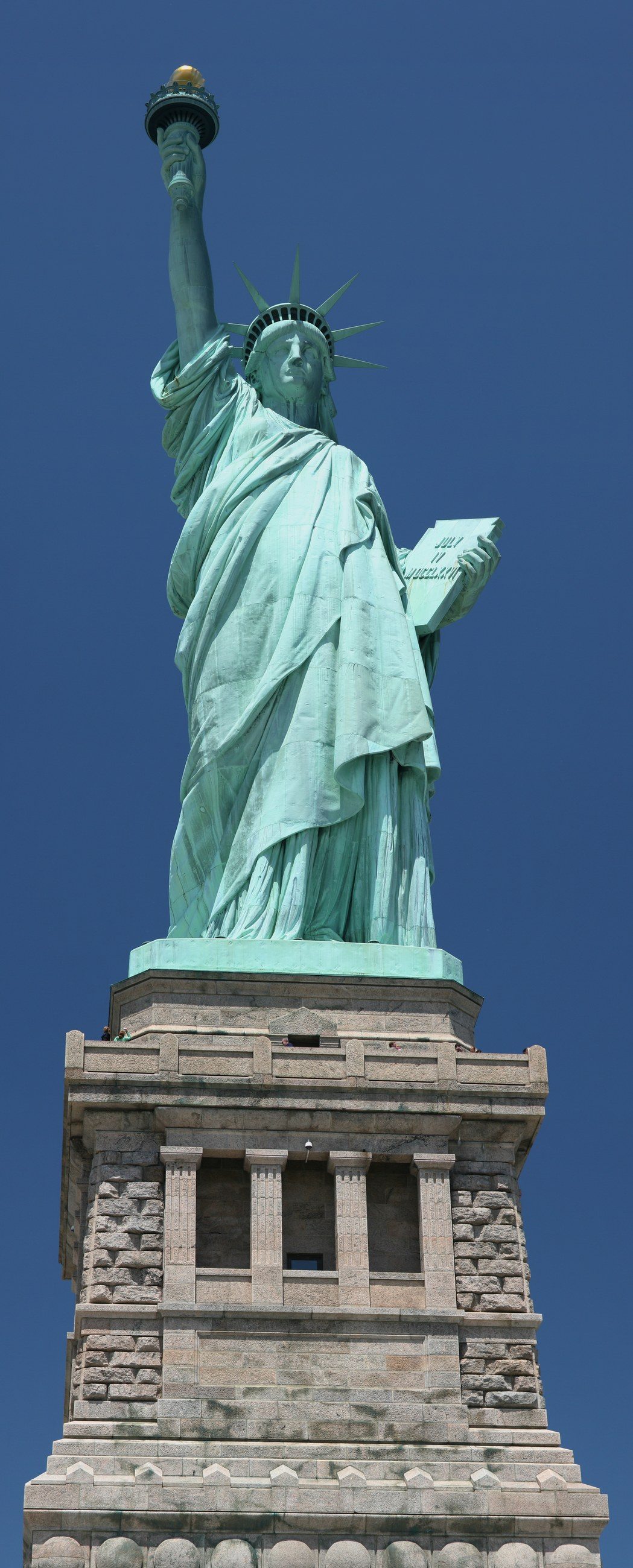
Nº 02
America
A country in six numbers.
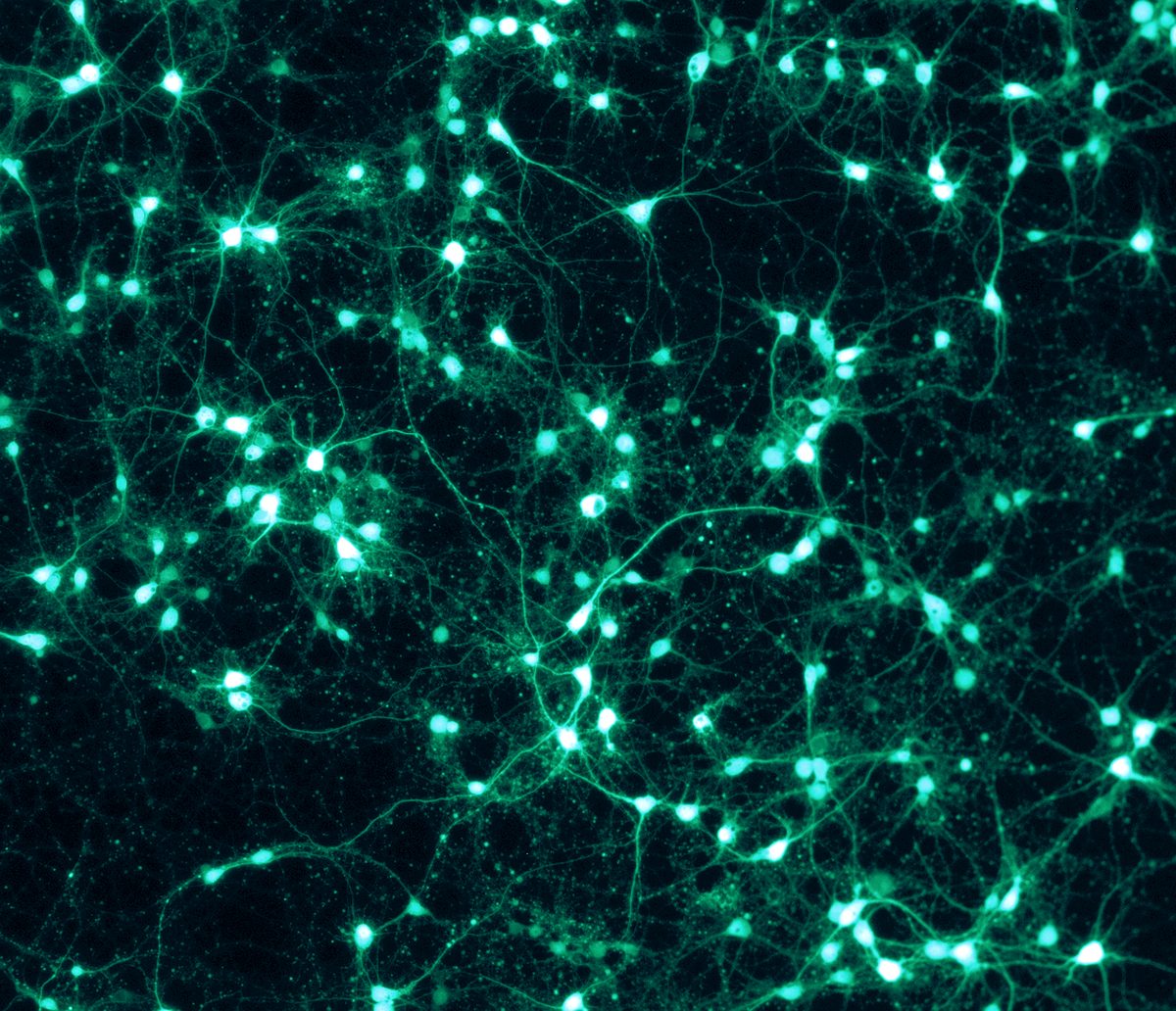
Nº 03
The Brain
Six numbers from inside your head.
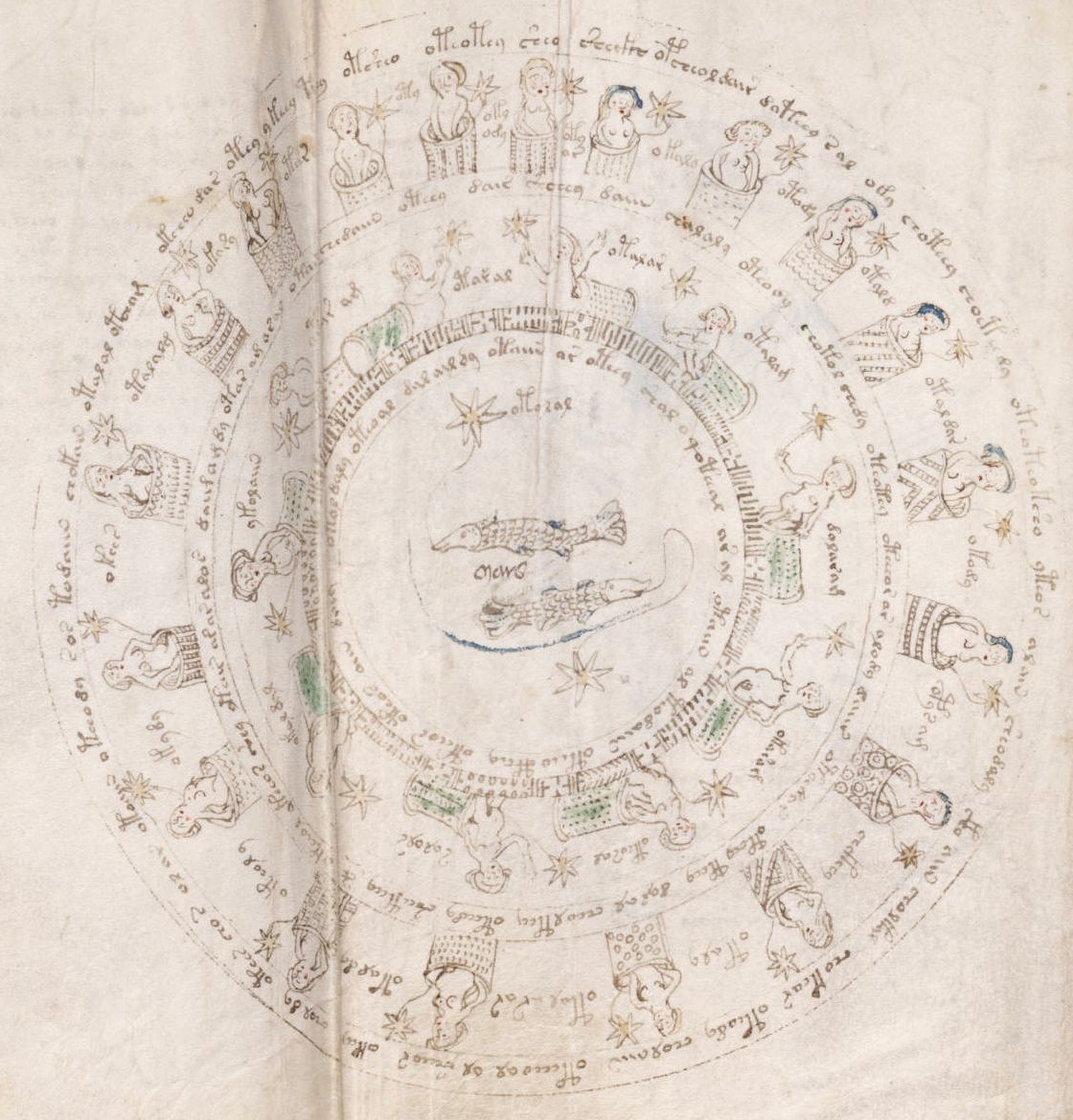
Nº 05
Ciphers
The oldest arms race: keeping secrets, and breaking them.
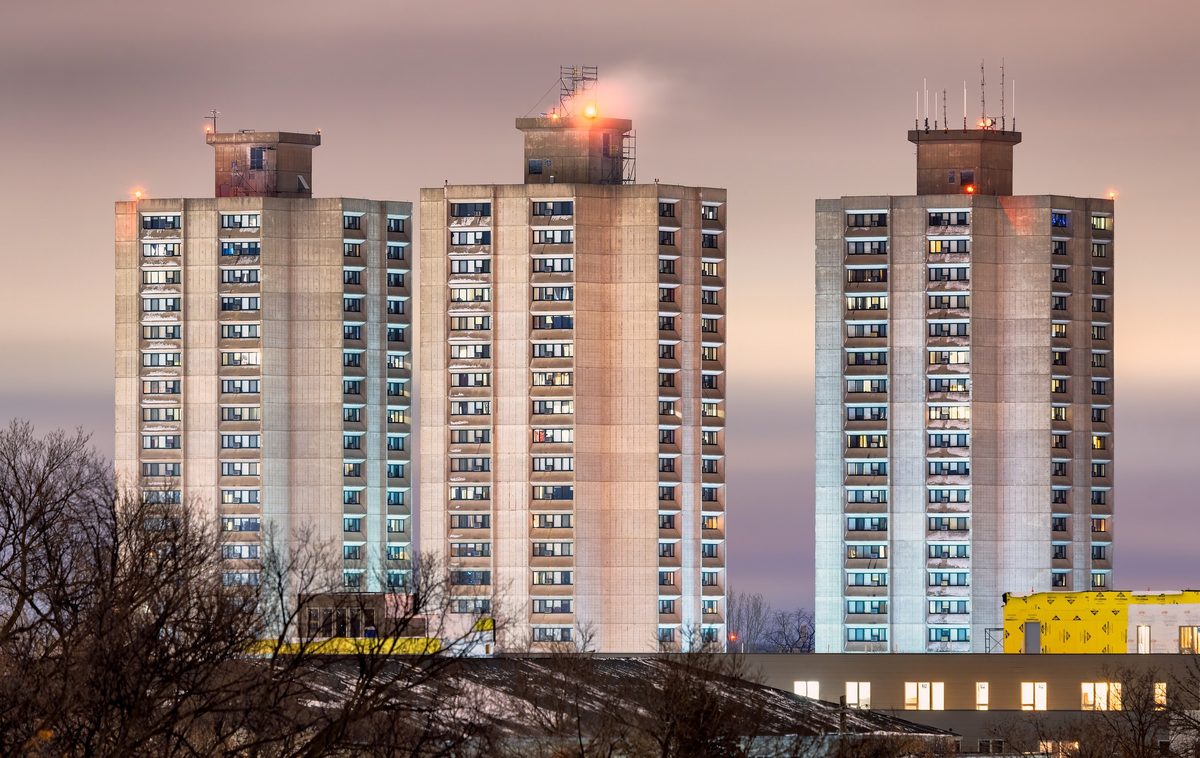
Nº 06
Concrete
We made it stronger by putting steel in it, and gave it an expiry date.

Nº 07
Ice
The only common solid that floats on its own liquid — and the reason anything survives a winter.