By The Numbers · Nº 05
Ciphers
The oldest arms race: keeping secrets, and breaking them.
01 / 08
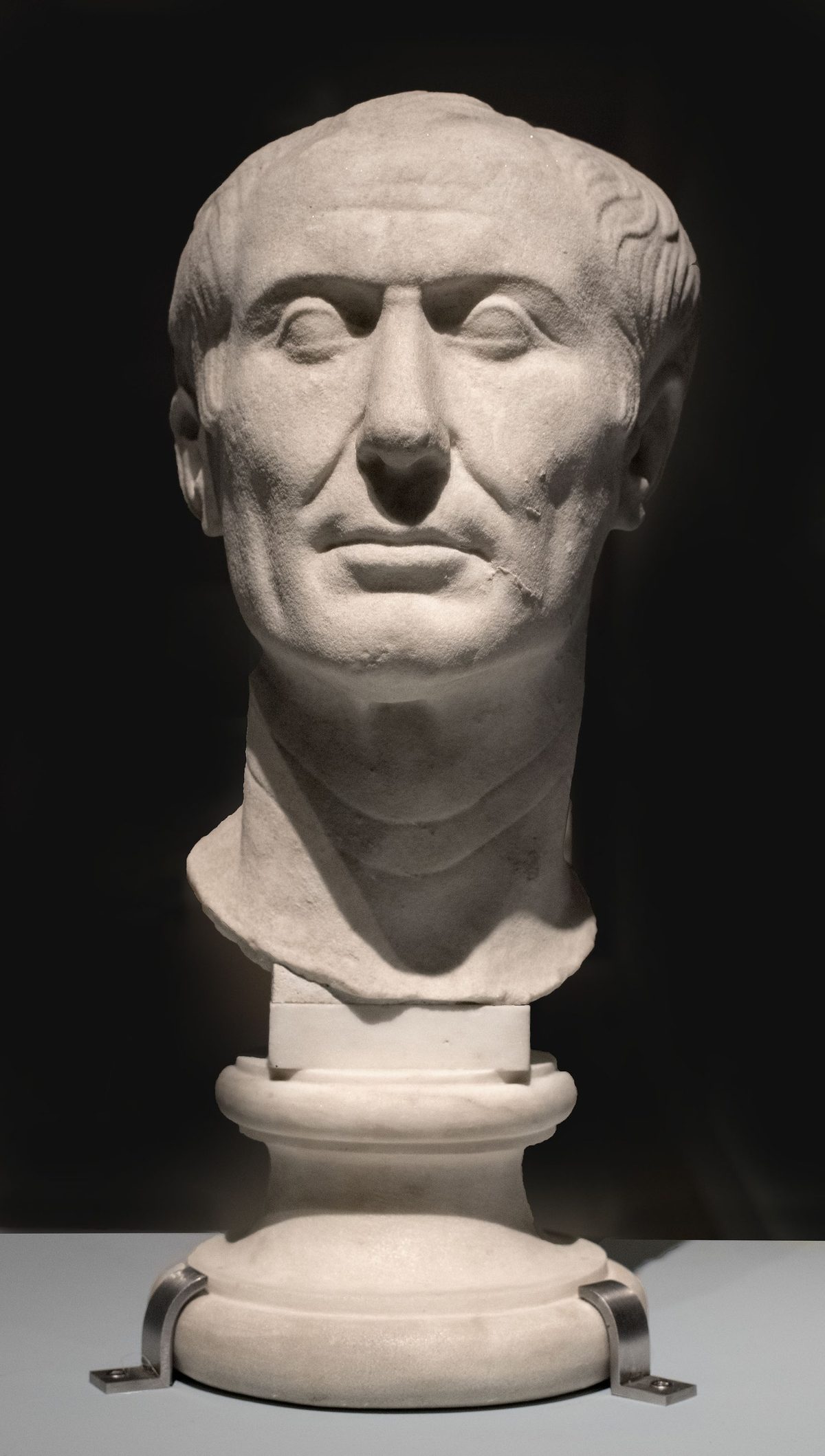
3 letters
hid Rome's battle plans for centuries…
Caesar hid his orders by sliding the alphabet three places. A child could break it. So why did it hold for centuries? Because almost no one who intercepted it could read. That would not last.
Caesar cipher, shift of 3; Suetonius describes Caesar's substitution.
02 / 08
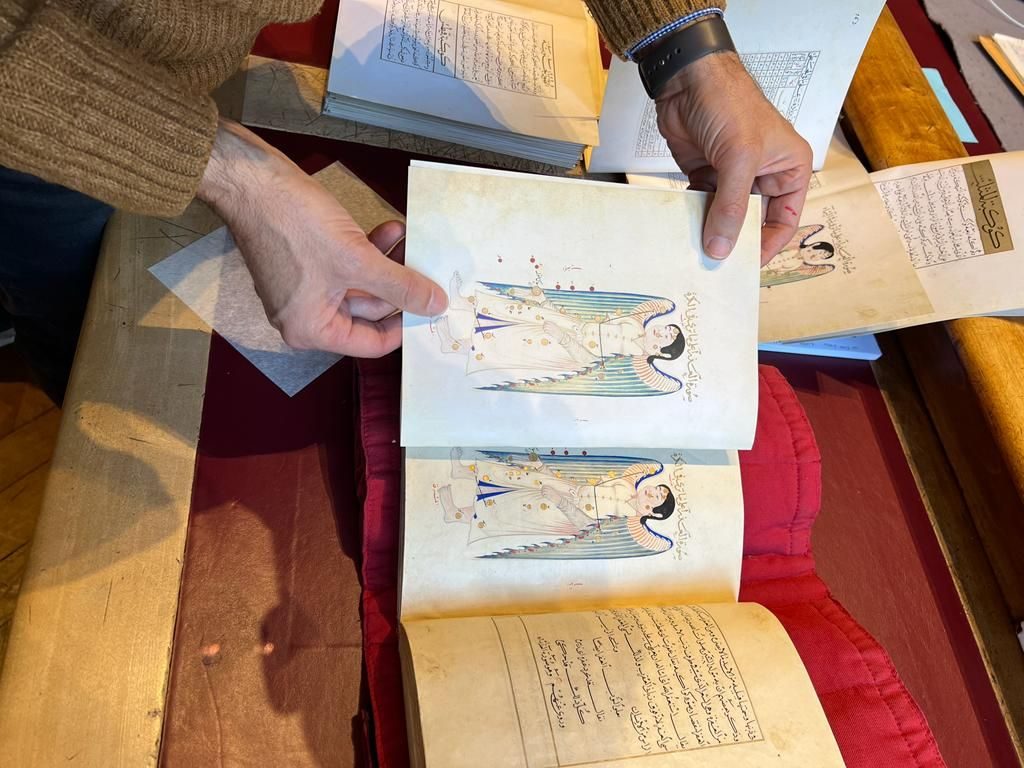
Letters have fingerprints
Baghdad, the ninth century…
Baghdad, the ninth century. Al-Kindi is counting symbols in a coded message. In any language, some letters appear far more often than others — and that rhythm survives encryption. Count carefully, and the secret falls open.
Al-Kindi, frequency analysis, ~9th century (Manuscript on Deciphering Cryptographic Messages).
03 / 08
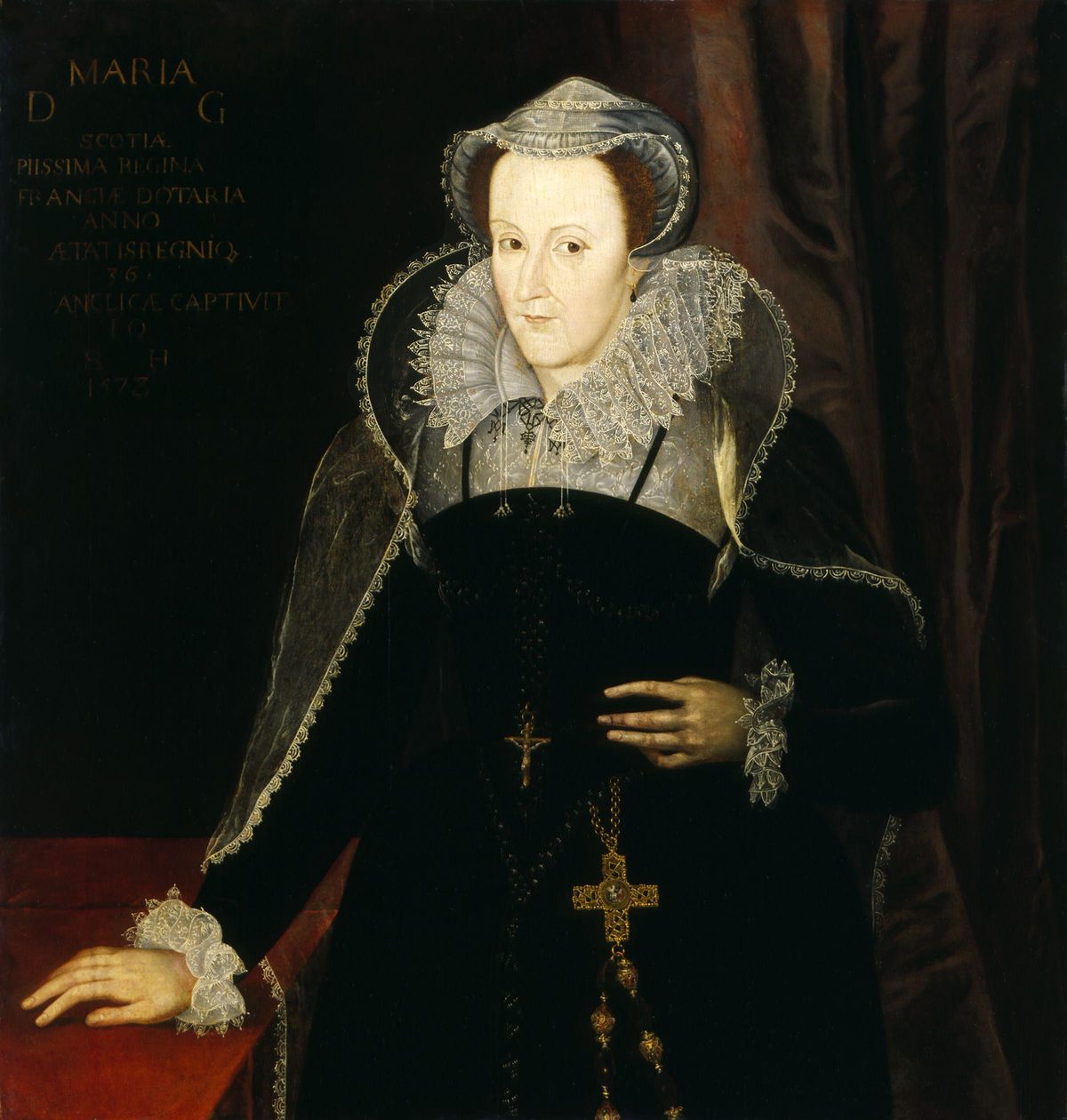
1586
Mary trusted her cipher completely…
Mary plotted Elizabeth's murder in a code she trusted completely. Walsingham's cryptanalyst had already broken it. He read every letter — then forged a reply, asking her to name her fellow plotters. She did.
Babington Plot, 1586; nomenclator cipher broken by Thomas Phelippes; Mary executed Feb 1587.
04 / 08
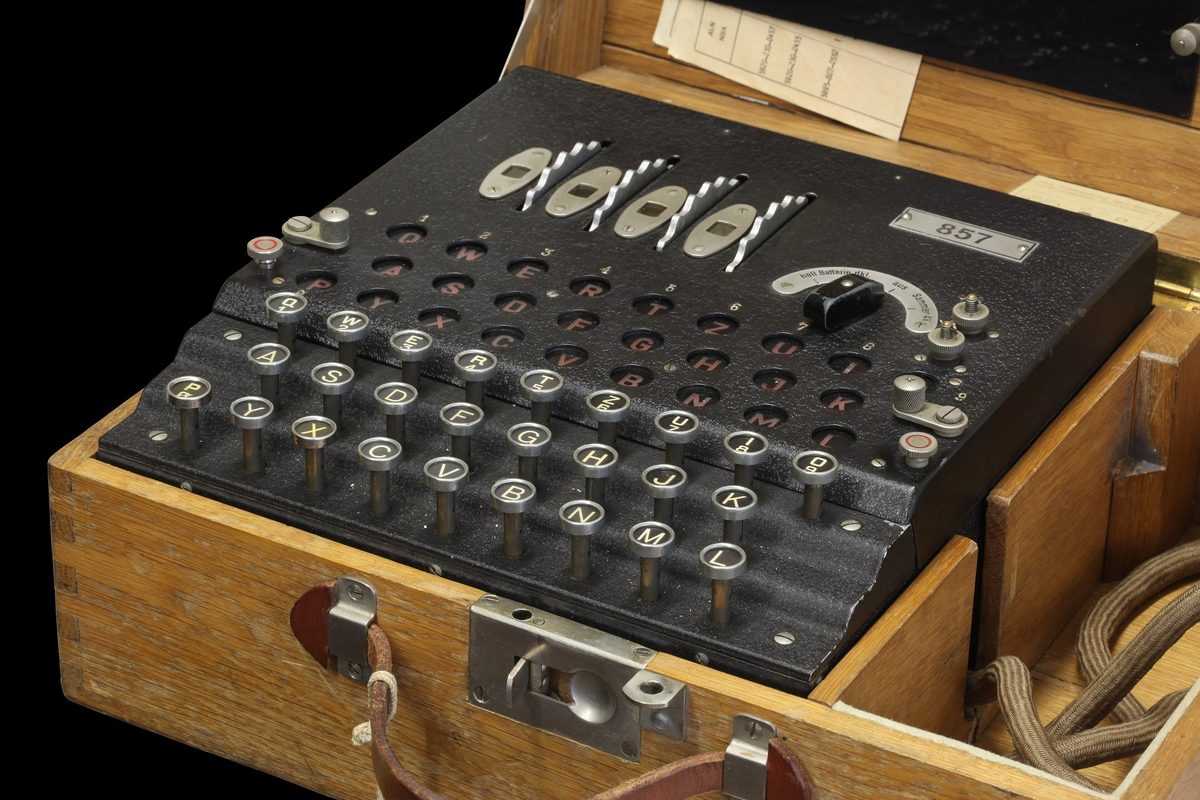
159 quintillion
Enigma settings — and still it fell…
Enigma should have ended codebreaking forever. But the machine had one habit it could not escape: no letter was ever encoded as itself. That single constraint let Bletchley Park throw away almost every wrong setting.
Enigma: 158,962,555,217,826,360,000 settings; no letter encrypts to itself — exploited at Bletchley Park.
05 / 08
1949
a perfect cipher is proved to exist…
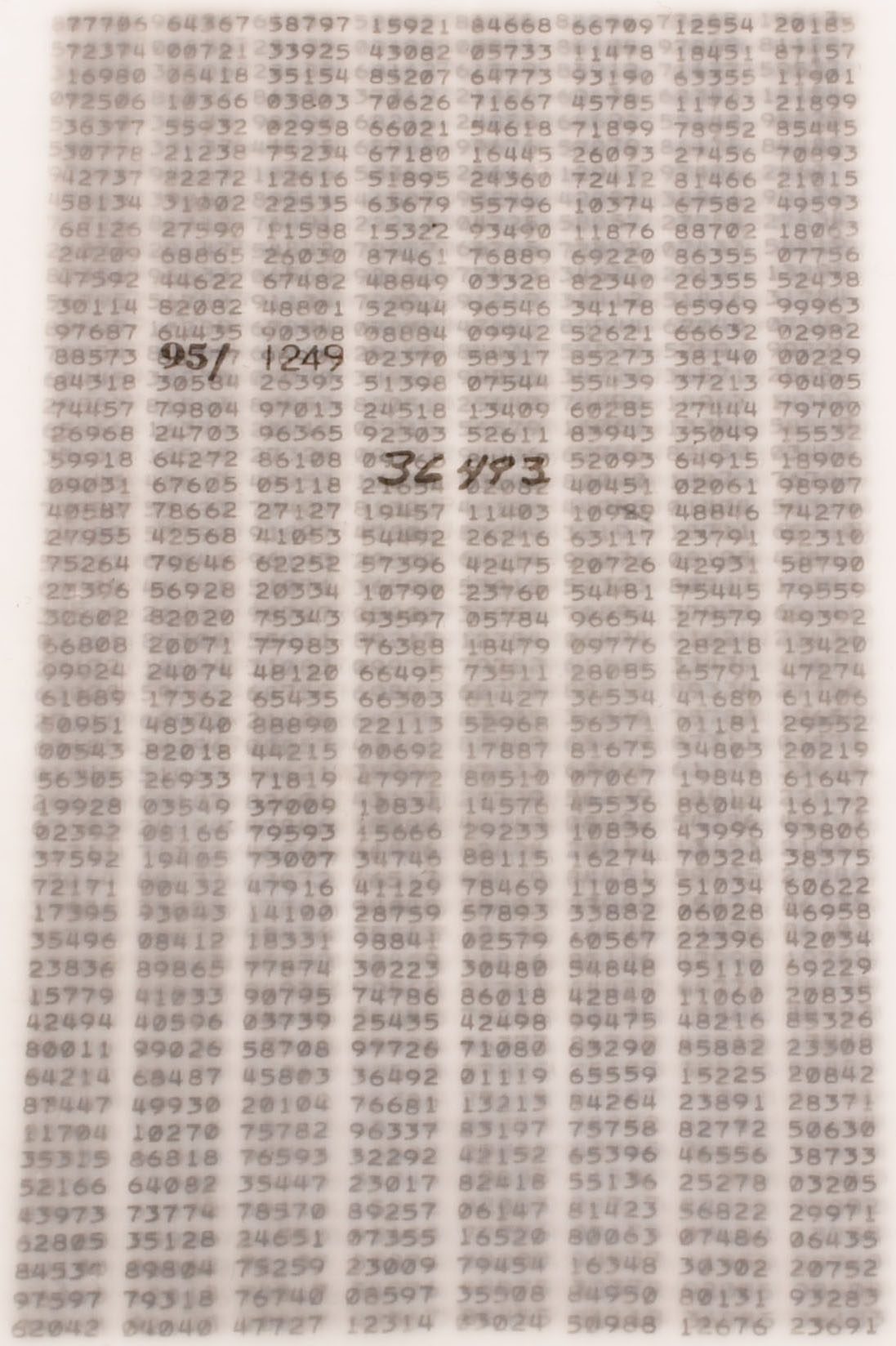
Shannon proved one cipher can never be broken — by any computer, in any span of time. A random key, as long as the message, used once. Perfect secrecy is real. It's just almost impossible to use.
Shannon, 'Communication Theory of Secrecy Systems' (1949); one-time pad perfect secrecy.
06 / 08
Easy to lock, impossible to open
how strangers can keep a secret…
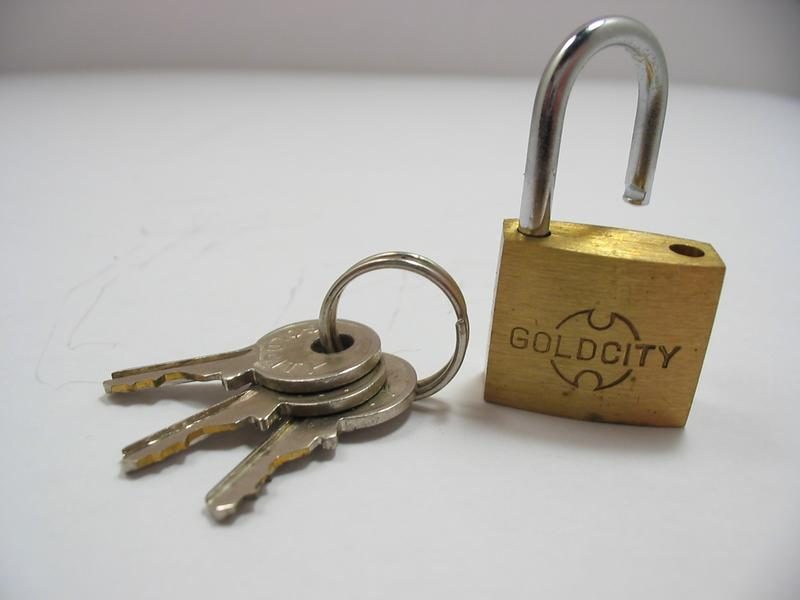
So how do you hide a message from someone you have never met? Multiply two enormous primes — instant. Now work backward and recover them. The fastest machines on Earth would still be running when the sun burns out.
Integer factorization asymmetry underlies RSA and public-key cryptography.
07 / 08
1994
the clock starts ticking…
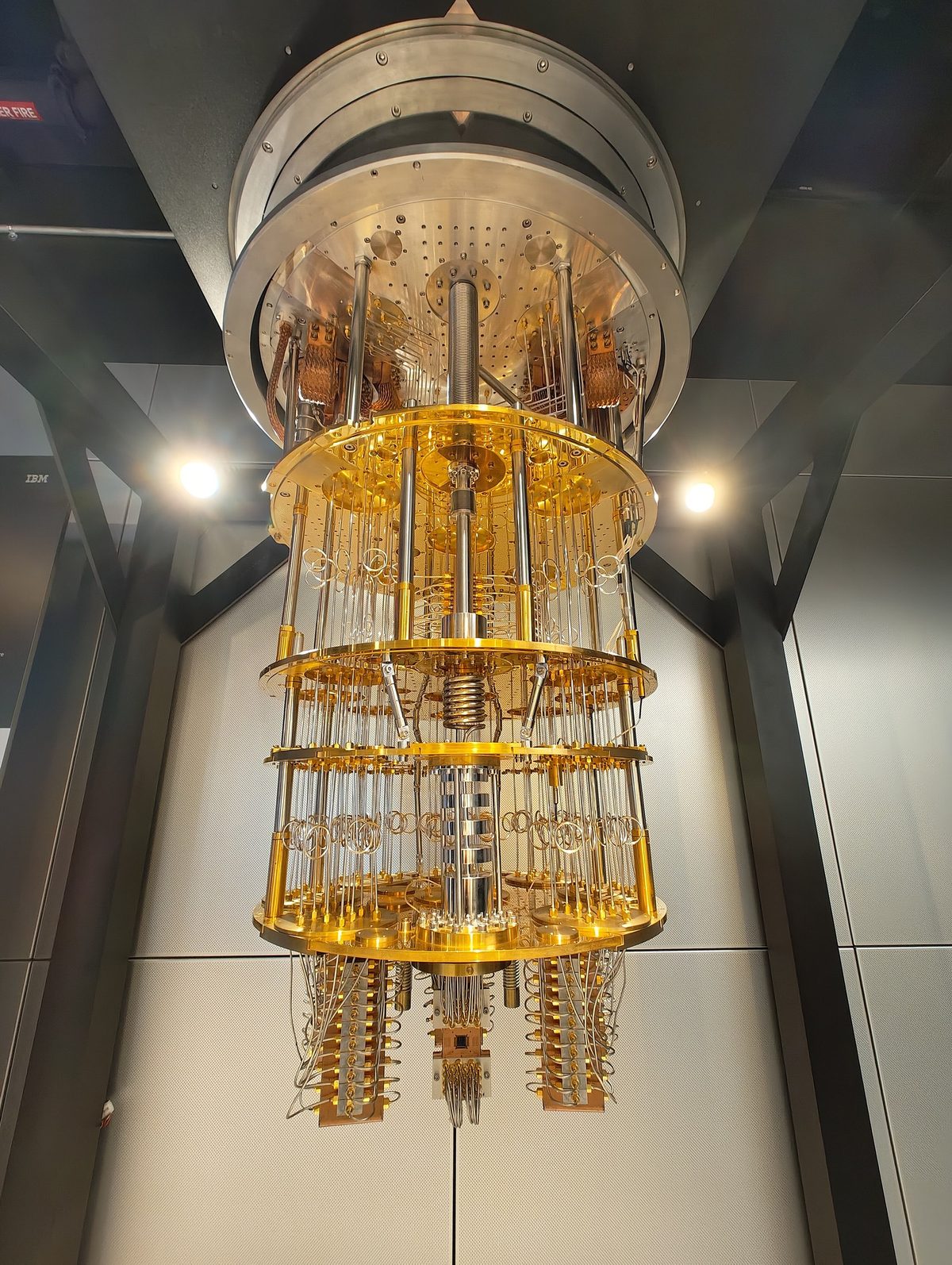
Peter Shor asked what a quantum computer could do to those primes. Factor them not in eons, but in hours. Nearly every code protecting the modern world now has an expiry date. We just don't know it.
Shor's algorithm (1994): polynomial-time factoring on a quantum computer.
08 / 08
$5 wrench
the cost of defeating any cipher…
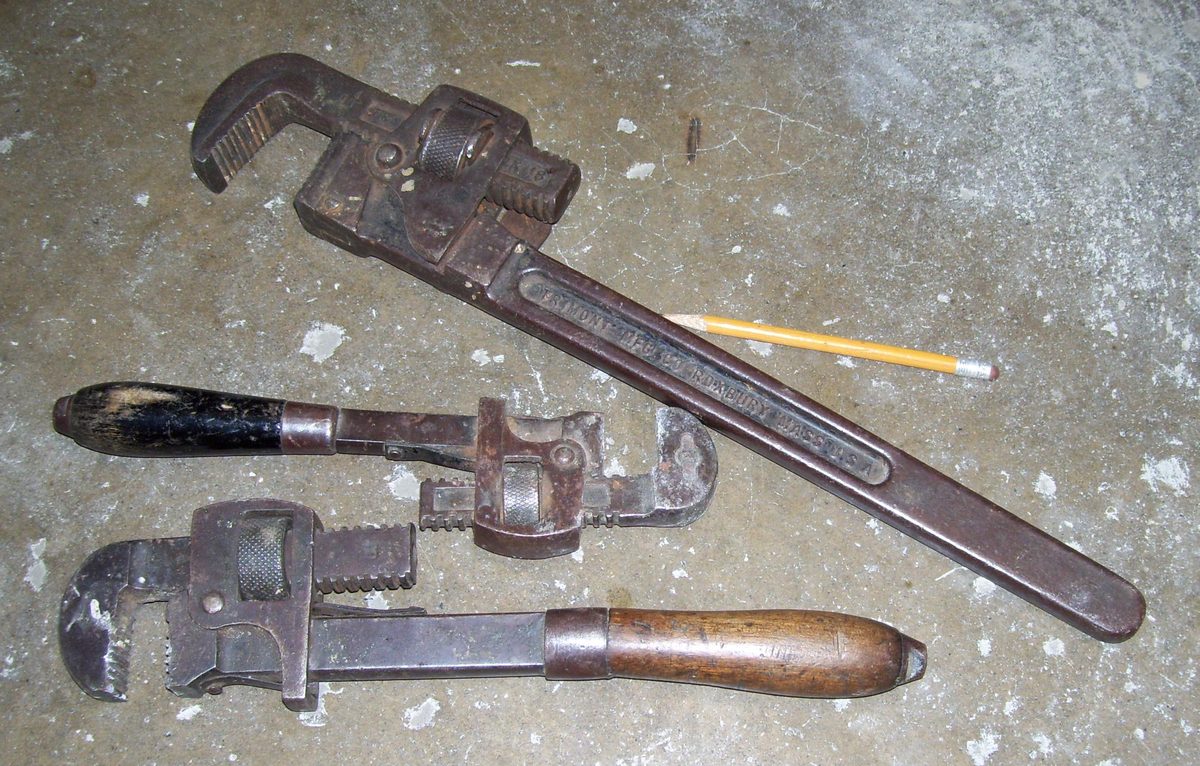
You can build a cipher no computer could break in a billion years. Then someone buys a five-dollar wrench, and swings it until you hand over the key.
'Rubber-hose cryptanalysis'; the $5-wrench bypass (popularized by xkcd 538).
Sources
- Caesar cipher, shift of 3; Suetonius describes Caesar's substitution.
- Al-Kindi, frequency analysis, ~9th century (Manuscript on Deciphering Cryptographic Messages).
- Babington Plot, 1586; nomenclator cipher broken by Thomas Phelippes; Mary executed Feb 1587.
- Enigma: 158,962,555,217,826,360,000 settings; no letter encrypts to itself — exploited at Bletchley Park.
- Shannon, 'Communication Theory of Secrecy Systems' (1949); one-time pad perfect secrecy.
- Integer factorization asymmetry underlies RSA and public-key cryptography.
- Shor's algorithm (1994): polynomial-time factoring on a quantum computer.
- 'Rubber-hose cryptanalysis'; the $5-wrench bypass (popularized by xkcd 538).
Image credits
- Voynich manuscript astronomical example 70r crop.jpg — Unknown, Public domain · Commons
- Retrato de Julio César (26724093101).jpg — Ángel M. Felicísimo from Mérida, España, Public domain · Commons
- Farbvergleich-MS-arabe-5036-Ulugh-Beg-Sternbild-Jungfrau-Bnf.jpg — Alexander Wilhelm, CC BY 4.0 · Commons
- Mary, Queen of Scots after Nicholas Hilliard.jpg — After Nicholas Hilliard, Public domain · Commons
- Enigma-IMG 0487-black.jpg — Rama, CC BY-SA 2.0 fr · Commons
- One-Time Pads - Flickr - The Central Intelligence Agency.jpg — The Central Intelligence Agency, Public domain · Commons
- Padlock klódka ubt.JPG — Tomasz Sienicki [user: tsca, mail: tomasz.sienicki at gmail.com], CC BY-SA 3.0 · Commons
- IBM Quantum System One.jpg — OJB Quantum, CC BY 4.0 · Commons
- Pipe Wrench.jpg — Jayess, Public domain · Commons

.jpg)


More from By The Numbers
Nº 01
Underfoot
Six numbers from under your feet.
Nº 02
America
A country in six numbers.
Nº 03
The Brain
Six numbers from inside your head.
Nº 04
Reason
Your reasoning mind is a storyteller, not a judge.
Nº 06
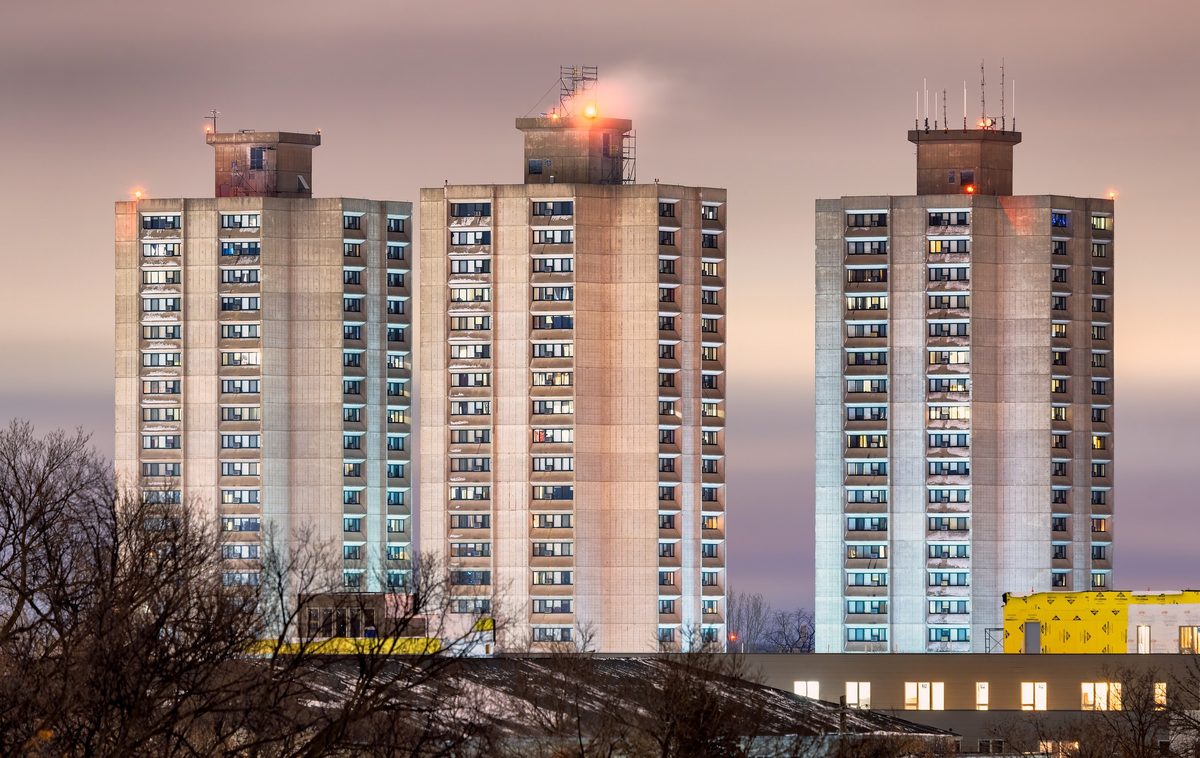
Concrete
We made it stronger by putting steel in it, and gave it an expiry date.

Nº 07
Ice
The only common solid that floats on its own liquid — and the reason anything survives a winter.