Nobel Laureates · Nº 09
Beloved
She took the quotation marks out of her dialogue, and had a technical reason for it.
01 / 08

1955
and the subject was Faulkner and Woolf…
Toni Morrison came to fiction as a technician. Her Cornell master's thesis, finished in 1955, was on how Virginia Woolf and William Faulkner handled alienation — two novelists who had spent their careers trying to get interior consciousness onto a page.
Morrison earned an MA from Cornell University in 1955. Her thesis was titled 'Virginia Woolf's and William Faulkner's treatment of the alienated', addressing the treatment of alienation and suicide in both writers.
02 / 08
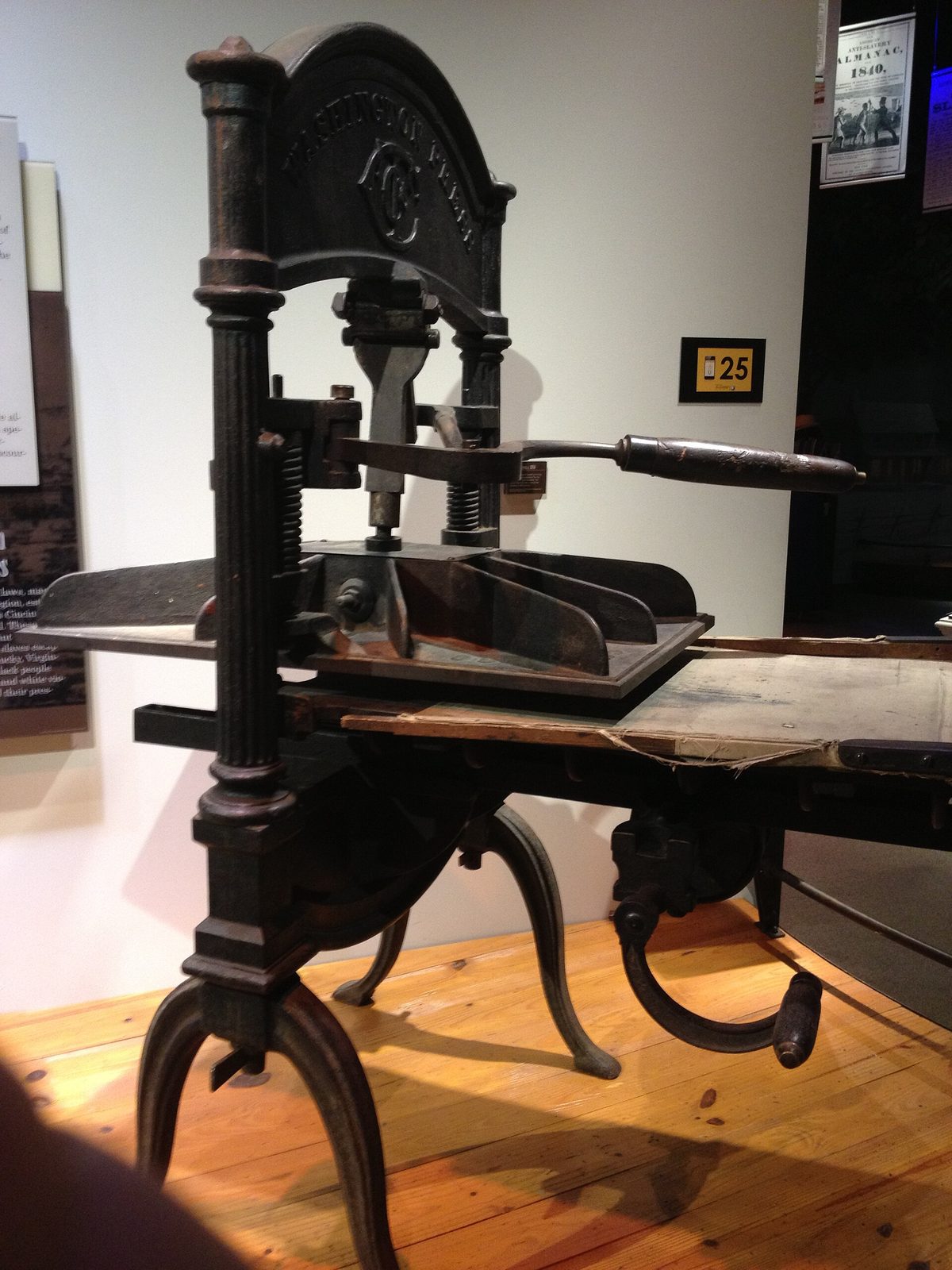
She took the quotation marks out
and it was never a flourish…
Quotation marks frame a voice: someone speaks, someone else reports it from outside. Morrison wanted no frame. Take them away and thought and speech, the living and the dead, can occupy one sentence with nothing standing between them.
Morrison frequently omitted quotation marks around dialogue, describing punctuation as encoding assumptions about whose voice is framed and reported. The technique supports the polyvocal narration of Beloved and Jazz.
03 / 08
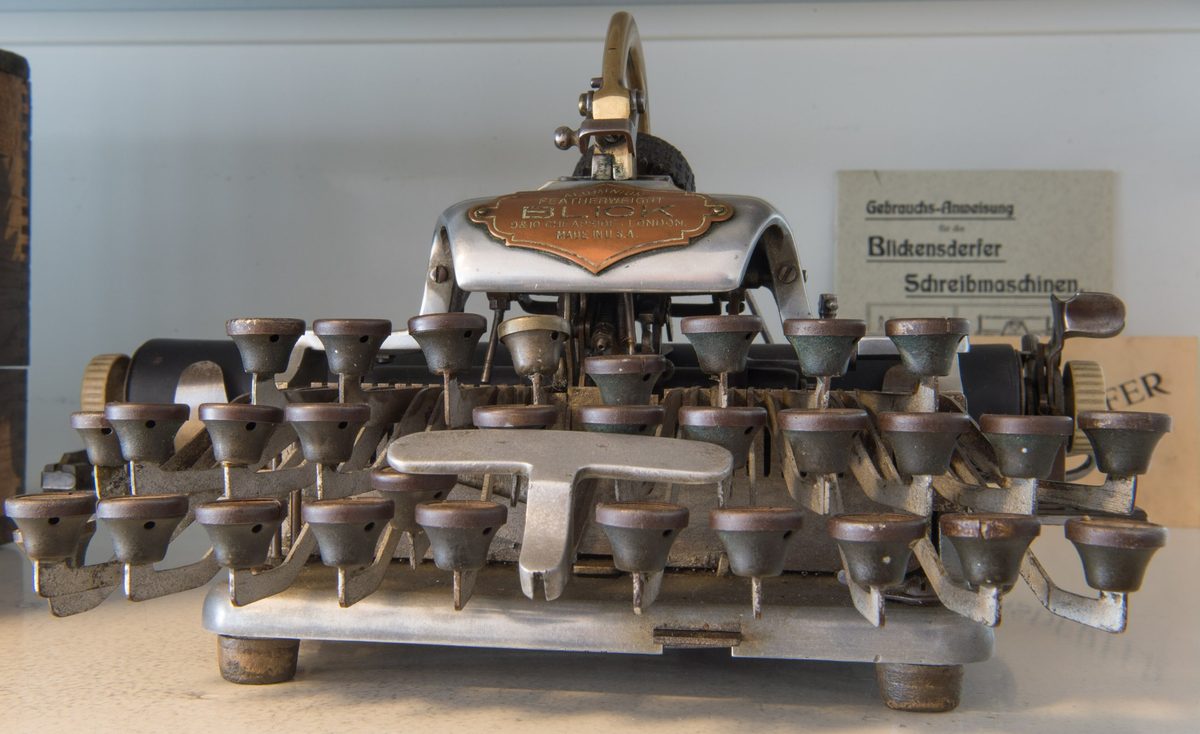
4 a.m.
and a full working day afterwards…
She wrote her first novel between four and seven in the morning, before her two sons woke, then went in to edit other people's books — she was the first Black woman senior editor in Random House's fiction department. The Bluest Eye was largely ignored.
Morrison wrote The Bluest Eye in the early hours while raising two sons alone. She worked at Random House 1967–1983, the first Black woman senior editor in the fiction department, publishing Angela Davis, Muhammad Ali, Huey P. Newton, Toni Cade Bambara and Gayl Jones. The Bluest Eye was published in 1970 by Holt, Rinehart and Winston to modest attention.
04 / 08

Rememory
which is a claim about where the past is kept…
Her coinage. Not remembering — rememory. The proposition is that trauma is not held inside a mind but lodged in places and objects, and stays there after everyone who lived it is gone. So you can walk into somebody else's past. Beloved is built on it.
Morrison introduced 'rememory' in Beloved (1987): the past persisting physically by lodging in places, objects and bodies rather than existing solely as internal recollection, such that a site can transmit an experience the visitor never had.
05 / 08
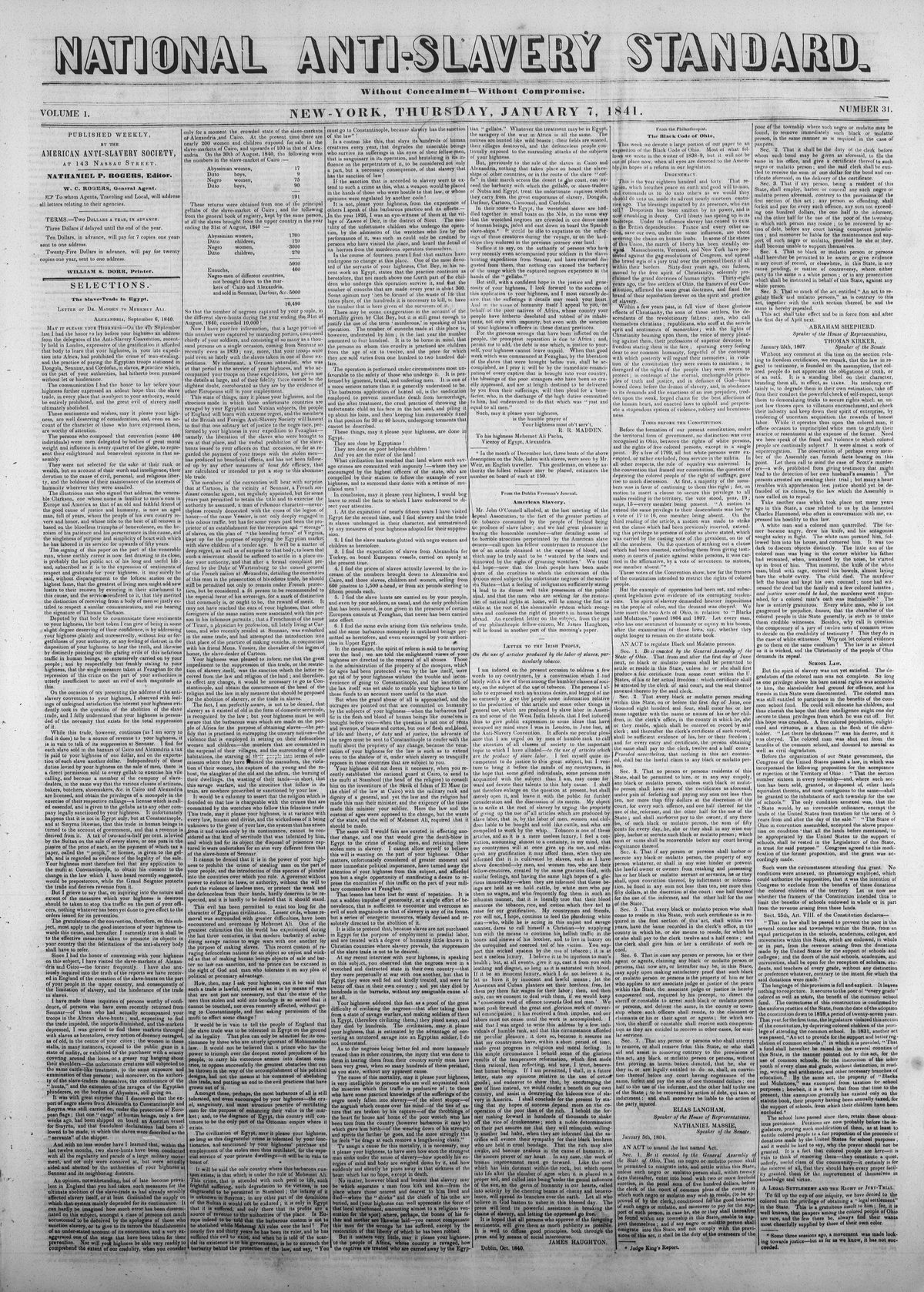
1974
and she wrote nothing to join the pages…
As an editor she assembled The Black Book — two hundred pages of Black American life, patents, sheet music, photographs, cuttings — and refused to supply a connecting narrative. One cutting was from 1856, an escaped woman named Margaret Garner. It became Beloved.
The Black Book (Random House, 1974), assembled by Morrison with four collectors, deliberately offers no explanatory narrative; meaning arises from juxtaposition. It reproduced an account of Margaret Garner, who escaped Kentucky across the frozen Ohio in 1856. Beloved followed in 1987, dedicated 'Sixty Million and more'.
06 / 08
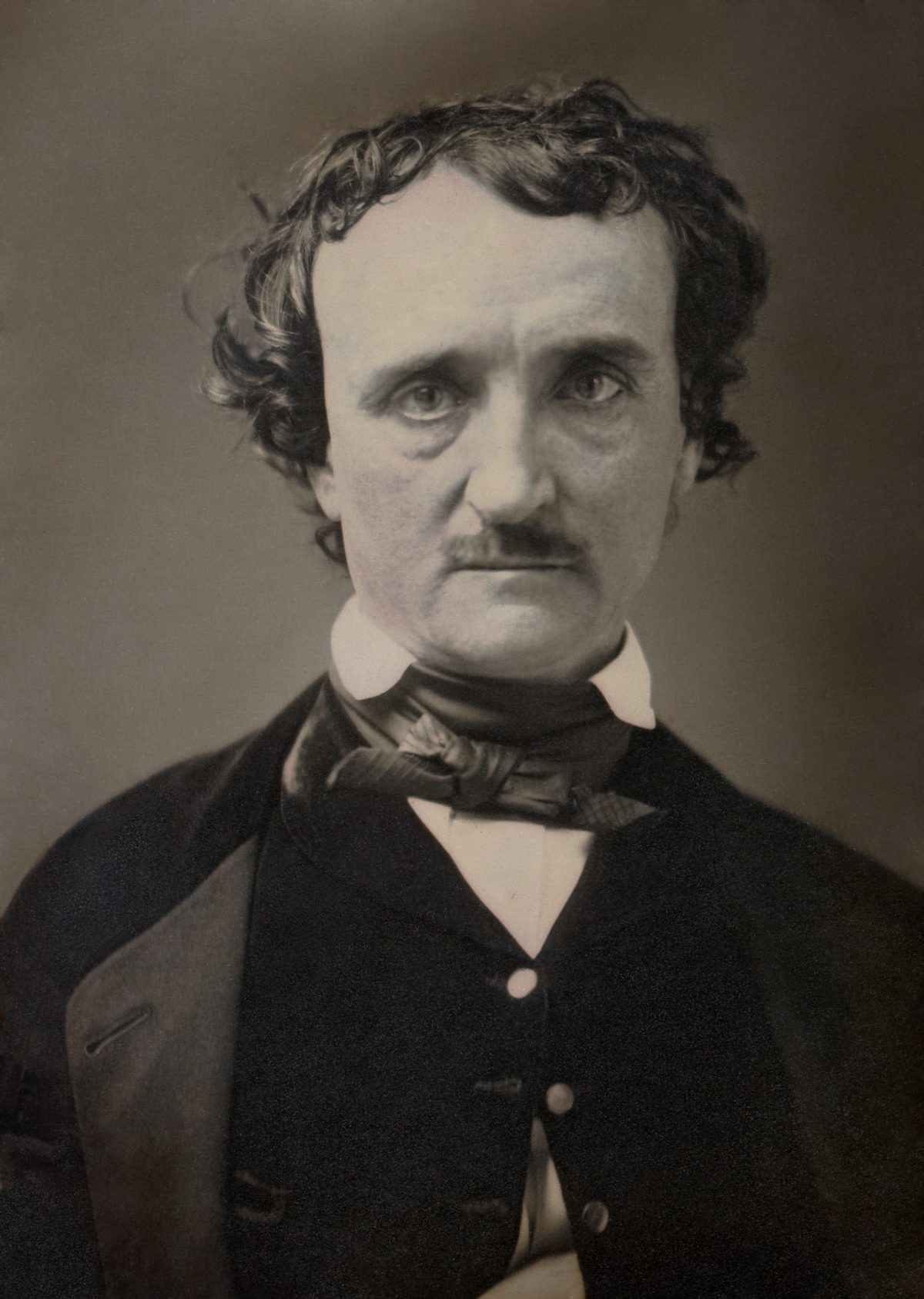
Then she turned the method on the canon
onto Poe, onto Hemingway…
Playing in the Dark is a working critic's book. The thesis is that white American literature is organised around a Black presence it never names — the thing against which its freedom gets defined. Not a request for admission. An audit.
Playing in the Dark: Whiteness and the Literary Imagination (1992), developed from Morrison's Harvard lectures, argues that canonical American literature — Poe, Cather, Twain, Hemingway — is structured by an unacknowledged 'Africanist presence'.
07 / 08

1993
and the lecture was about language, not about her…
First African American woman to win the Nobel in Literature. Six years earlier Beloved had lost the National Book Award, forty-eight writers had said so in the Times, and the Pulitzer followed. Her Nobel lecture argued that oppressive language does not represent violence. It is violence.
Nobel Prize in Literature 1993. Beloved lost the 1987 National Book Award; on 24 January 1988 the New York Times Book Review published a statement signed by 48 Black writers and critics, and Morrison won the Pulitzer that March. Nobel Lecture, 7 December 1993: 'Oppressive language does more than represent violence; it is violence.'
08 / 08

They shoot the white girl first
and she never tells you which one…
The first line of Paradise. Five women live in that house, and across three hundred pages Morrison never identifies which of them is white. Readers hunt anyway. The hunting is the experiment — withhold one fact, and let the reader watch their own machinery run.
Paradise (1997) opens 'They shot the white girl first.' The race of the individual women at the Convent is never specified. Morrison described the withholding as deliberate, testing the reader's assumption that racial identity must be established to read a character.
Sources
- Morrison earned an MA from Cornell University in 1955. Her thesis was titled 'Virginia Woolf's and William Faulkner's treatment of the alienated', addressing the treatment of alienation and suicide in both writers.
- Morrison frequently omitted quotation marks around dialogue, describing punctuation as encoding assumptions about whose voice is framed and reported. The technique supports the polyvocal narration of Beloved and Jazz.
- Morrison wrote The Bluest Eye in the early hours while raising two sons alone. She worked at Random House 1967–1983, the first Black woman senior editor in the fiction department, publishing Angela Davis, Muhammad Ali, Huey P. Newton, Toni Cade Bambara and Gayl Jones. The Bluest Eye was published in 1970 by Holt, Rinehart and Winston to modest attention.
- Morrison introduced 'rememory' in Beloved (1987): the past persisting physically by lodging in places, objects and bodies rather than existing solely as internal recollection, such that a site can transmit an experience the visitor never had.
- The Black Book (Random House, 1974), assembled by Morrison with four collectors, deliberately offers no explanatory narrative; meaning arises from juxtaposition. It reproduced an account of Margaret Garner, who escaped Kentucky across the frozen Ohio in 1856. Beloved followed in 1987, dedicated 'Sixty Million and more'.
- Playing in the Dark: Whiteness and the Literary Imagination (1992), developed from Morrison's Harvard lectures, argues that canonical American literature — Poe, Cather, Twain, Hemingway — is structured by an unacknowledged 'Africanist presence'.
- Nobel Prize in Literature 1993. Beloved lost the 1987 National Book Award; on 24 January 1988 the New York Times Book Review published a statement signed by 48 Black writers and critics, and Morrison won the Pulitzer that March. Nobel Lecture, 7 December 1993: 'Oppressive language does more than represent violence; it is violence.'
- Paradise (1997) opens 'They shot the white girl first.' The race of the individual women at the Convent is never specified. Morrison described the withholding as deliberate, testing the reader's assumption that racial identity must be established to read a character.
Image credits
- Toni Morrison (author, at her upstate New York home) (cropped).jpg — Gotfryd, Bernard, photographer, Public domain · Commons
- Cornell Martha Van Rensselaer Hall 3.jpg — Notyourbroom, CC BY 3.0 · Commons
- Printing press 1850.jpeg — User:quadell, CC BY-SA 3.0 · Commons
- Typewriter-01 hg.jpg — Hannes Grobe, CC BY-SA 4.0 · Commons
- Abandoned (Explored March 29, 2018) - Flickr - Anne Worner.jpg — Anne Worner, CC BY-SA 2.0 · Commons
- National Anti-Slavery Standard Newspaper January 7, 1841.jpg — David and Lydia Child, Public domain · Commons
- Edgar Allan Poe, circa 1849, restored, squared off.jpg — Unknown authorUnknown author; Restored by Yann Forget and Adam Cuerden, Public domain · Commons
- Börshuset January 2015.jpg — Arild Vågen, CC BY-SA 4.0 · Commons
- Cedar River National Grassland, Dakota Prairie Grasslands (52097917932).jpg — Forest Service - Northern Region, Public domain · Commons
_(cropped).jpg)


_-_Flickr_-_Anne_Worner.jpg)


.jpg)
More from Nobel Laureates

Nº 01
Auctions
Two economists who didn't study a market. They built one.

Nº 02
Equilibrium
He proved everyone can be doing their best, and everyone can be losing.

Nº 03
Commons
Economics said shared land must die. She went and looked.

Nº 04
Ulcers
Every doctor knew nothing survives stomach acid. One doctor drank the proof.

Nº 05
CRISPR
A footnote in 1987. Rejected by four journals. Now it cures people.

Nº 06
Wormwood
A secret military project. A recipe from the year 340. She took the first dose herself.