Nobel Laureates · Nº 02
Equilibrium
He proved everyone can be doing their best, and everyone can be losing.
01 / 08
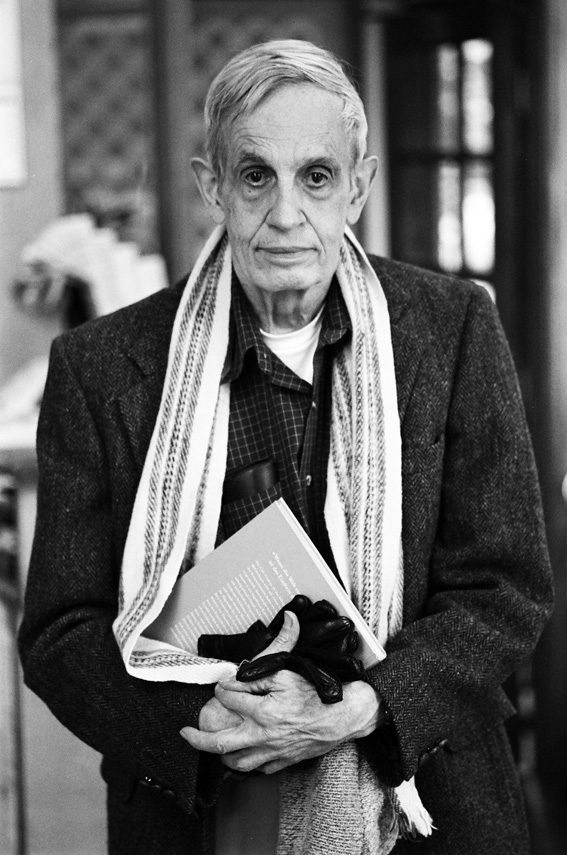
26 pages
and two citations, one of them his own…
The thesis that founded modern game theory ran twenty-six pages and cited two works — one of them written by Nash himself. He was twenty-one. There was almost nothing else to cite.
Nash, 'Non-Cooperative Games', Princeton PhD thesis, 1950: 26 pages, 2 citations.
02 / 08
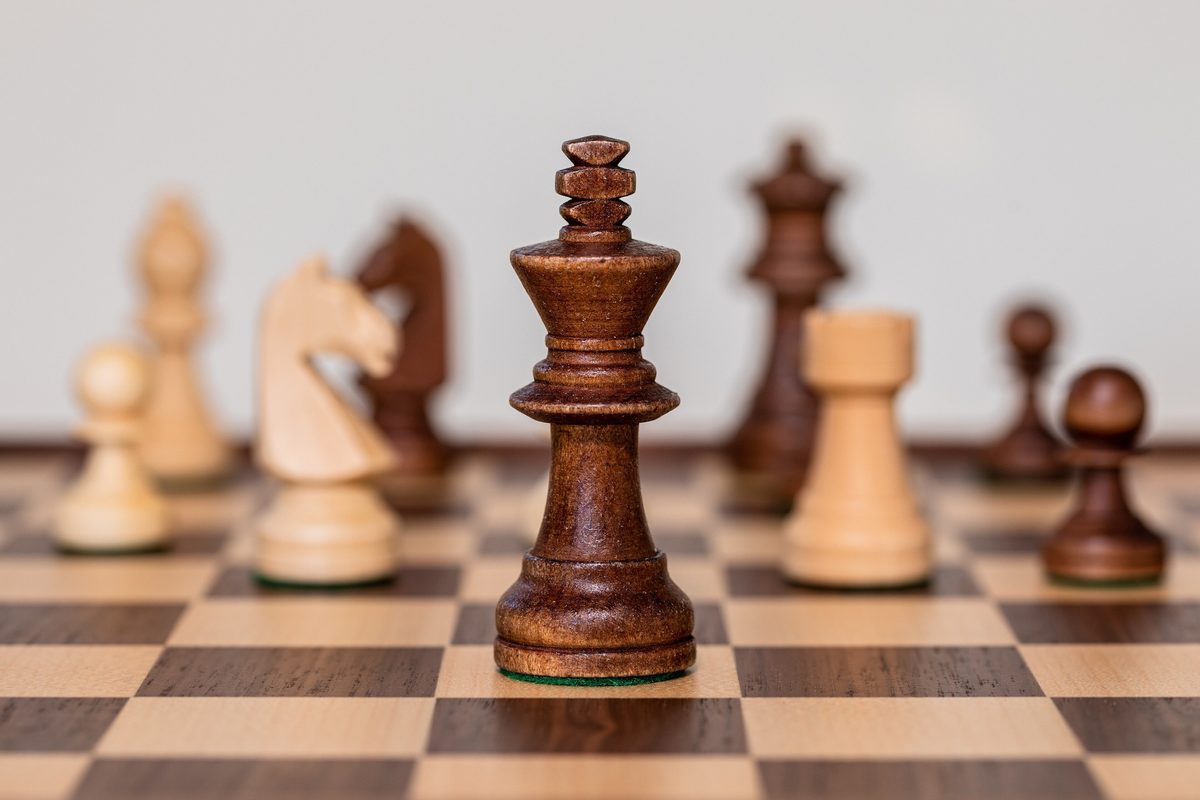
Stable is not the same as good
what he actually proved…
Nash proved every strategic situation has a resting point — a place where no one can do better by moving alone. He proved nothing about that point being good. Everyone can be trapped, and trapped is stable.
Nash equilibrium: no player gains by unilaterally changing strategy; says nothing about welfare.
03 / 08
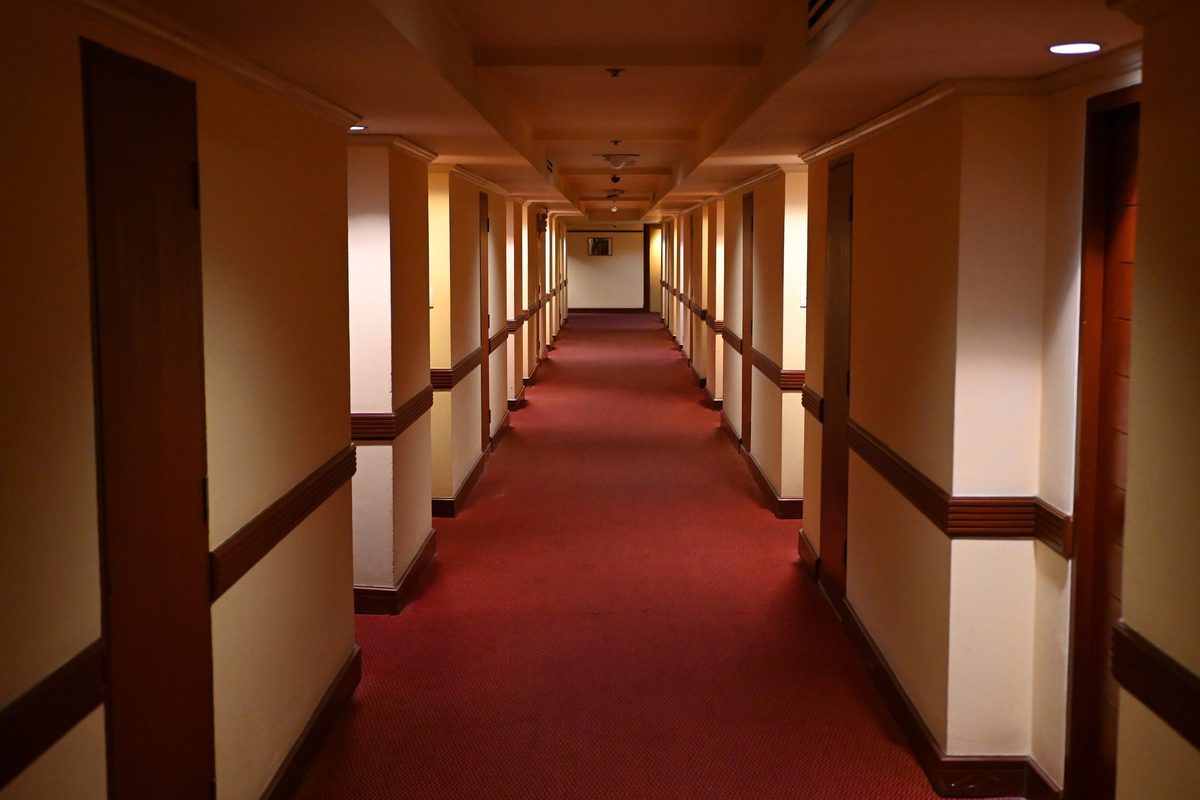
1959
at thirty, at the height of it…
At thirty, Nash was committed to a psychiatric hospital and diagnosed with schizophrenia. The delusions were persecutory and elaborate. The mathematics stopped. What followed were three decades most people would call lost.
Committed to McLean Hospital, spring 1959, aged 30; diagnosed with schizophrenia.
04 / 08
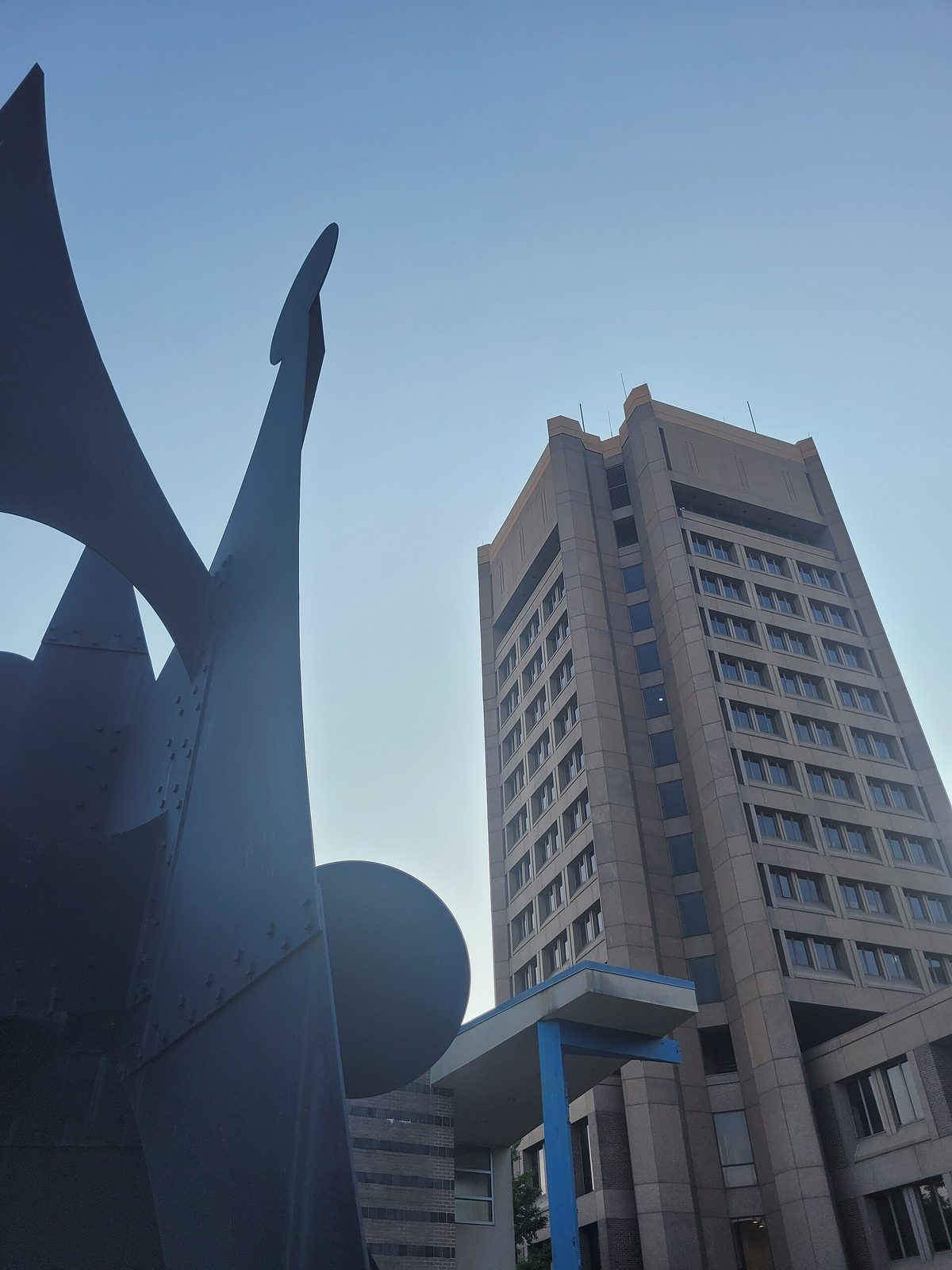
The Phantom of Fine Hall
Princeton, for twenty years…
For years he drifted through Princeton's mathematics building, filling blackboards with figures nobody could read. Students who had grown up on his theorem passed him in the corridor without knowing who he was.
Nash was known around Princeton's Fine Hall as 'the Phantom of Fine Hall'.
05 / 08
44 years
between the proof and the prize…
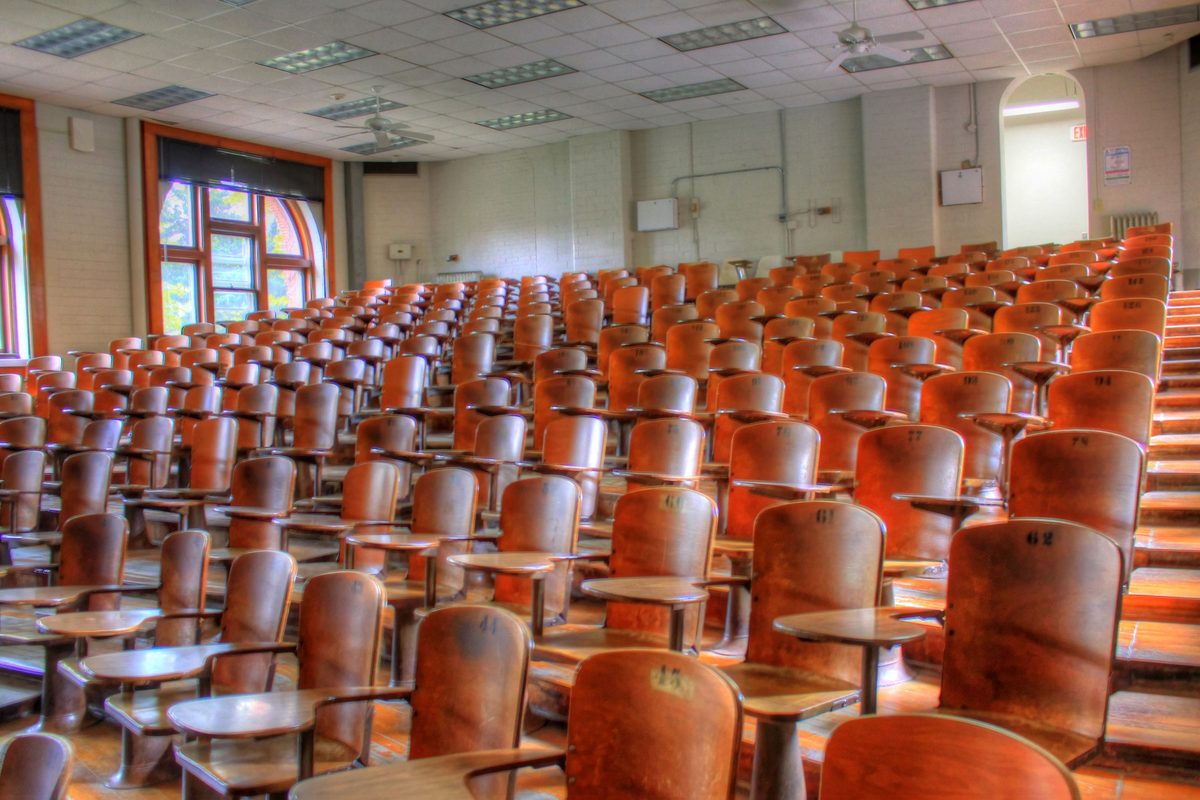
He recovered in a way psychiatry rarely sees — not by medication but by argument, interrogating each delusion until he judged it, in his own words, a hopeless waste of intellectual effort. The Nobel came forty-four years late.
Nash described intellectually rejecting delusional thinking; Nobel 1994, 44 years after the 1950 thesis.
06 / 08
The prize they almost withheld
1994, inside the committee…
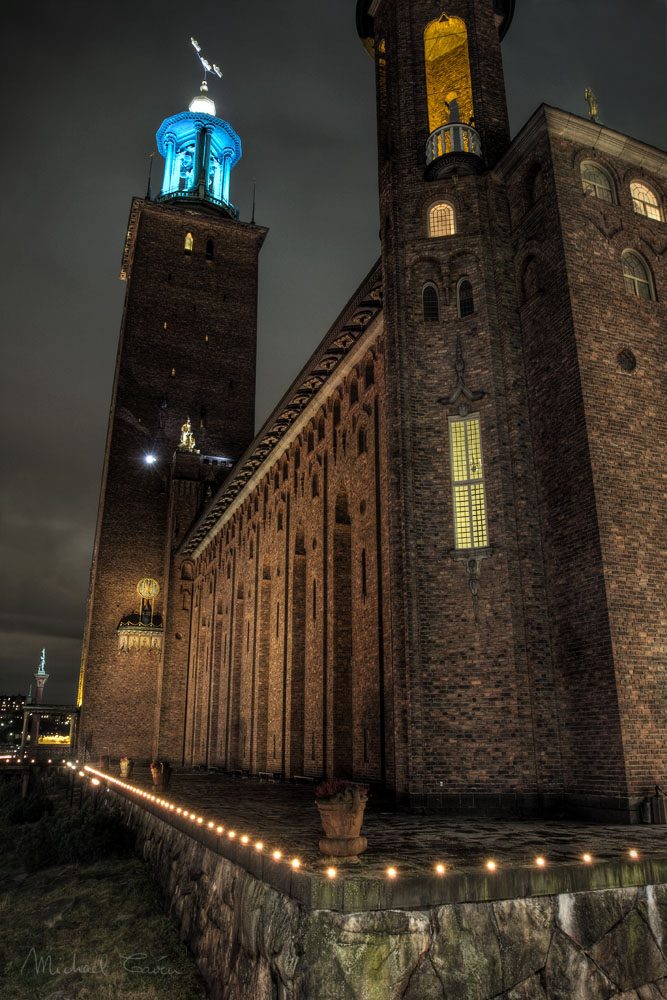
The committee nearly passed him over. A member argued that a laureate with a history of psychosis might bring scandal to the prize. Colleagues vouched for him, he won — and afterwards the Nobel quietly rewrote its own selection rules.
1994 committee opposition (Ingemar Ståhl); afterwards committee terms limited to three years.
07 / 08
4 days
Oslo, and then the road home…
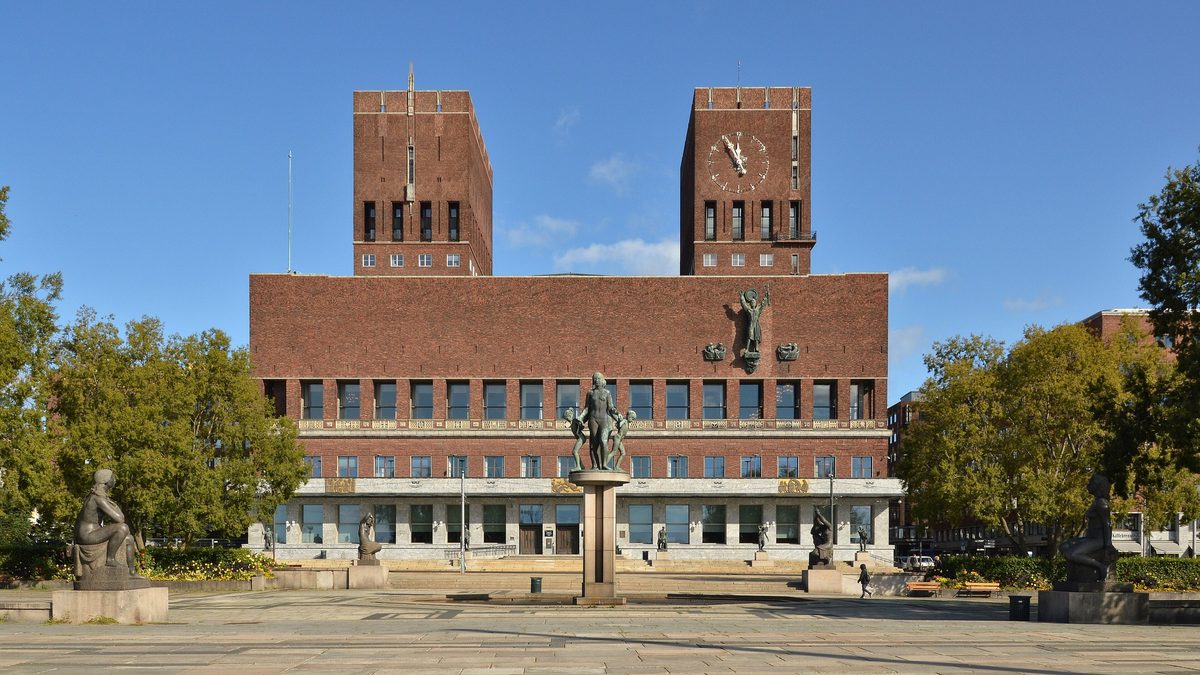
In May 2015 Nash received the Abel Prize in Oslo — the only person ever to hold both it and the Nobel. Four days later he and Alicia, who had stood by him throughout, were killed in a taxi driving home.
Abel Prize 19 May 2015; Nash and Alicia died 23 May 2015 on the New Jersey Turnpike.
08 / 08

Everyone's best move
and still everyone loses…
Arms races. Price wars. Emptying oceans. Every player doing the smartest available thing, and arriving together somewhere nobody chose. Nash gave that trap a name and a proof, and left us the harder question of how to leave it.
Nash equilibrium underpins game theory, market design, evolutionary biology and arms-control analysis.
Sources
- Nash, 'Non-Cooperative Games', Princeton PhD thesis, 1950: 26 pages, 2 citations.
- Nash equilibrium: no player gains by unilaterally changing strategy; says nothing about welfare.
- Committed to McLean Hospital, spring 1959, aged 30; diagnosed with schizophrenia.
- Nash was known around Princeton's Fine Hall as 'the Phantom of Fine Hall'.
- Nash described intellectually rejecting delusional thinking; Nobel 1994, 44 years after the 1950 thesis.
- 1994 committee opposition (Ingemar Ståhl); afterwards committee terms limited to three years.
- Abel Prize 19 May 2015; Nash and Alicia died 23 May 2015 on the New Jersey Turnpike.
- Nash equilibrium underpins game theory, market design, evolutionary biology and arms-control analysis.
Image credits
- Driving Cars in a Traffic Jam.jpg — epSos.de, CC BY 2.0 · Commons
- John Forbes Nash, Jr. by Peter Badge.jpg — Peter Badge / Typos1, CC BY-SA 3.0 · Commons
- Schachfiguren, König -- 2021 -- 9650.jpg — Dietmar Rabich, CC BY-SA 4.0 · Commons
- DFC 3491 Dimly lit hotel corridor with a deep red carpet stretching into the distance flanked by warm-toned walls and evenly spaced doorways.jpg — PattayaPatrol, CC BY-SA 4.0 · Commons
- Fine Hall, Princeton.jpg — PoliticsIsExciting, CC BY-SA 4.0 · Commons
- Gfp-lecture-hall.jpg — Yinan Chen, Public Domain · Commons
- Nobel banquet at Stockholm City Hall (4174875364).jpg — Michael Caven from Stockholm, Sweden, CC BY 2.0 · Commons
- Oslo Rådhus - Oslo City Hall - Oslo, Norway 2020-09-16.jpg — Ryan Hodnett, CC BY-SA 4.0 · Commons
- Rush Hour (4476789745).jpg — Michael Gil from Calgary, AB, Canada, CC BY 2.0 · Commons


.jpg)

.jpg)
More from Nobel Laureates

Nº 01
Auctions
Two economists who didn't study a market. They built one.
Nº 03
Commons
Economics said shared land must die. She went and looked.
Nº 04
Ulcers
Every doctor knew nothing survives stomach acid. One doctor drank the proof.
Nº 05
CRISPR
A footnote in 1987. Rejected by four journals. Now it cures people.
Nº 06
Wormwood
A secret military project. A recipe from the year 340. She took the first dose herself.

Nº 07
Graphene
Physics had proved it could not exist. They found it with sticky tape, on a Friday night.