Countries · Nº 04
Botswana
Diamonds were found one year after independence. This is normally where the story goes wrong.
01 / 08
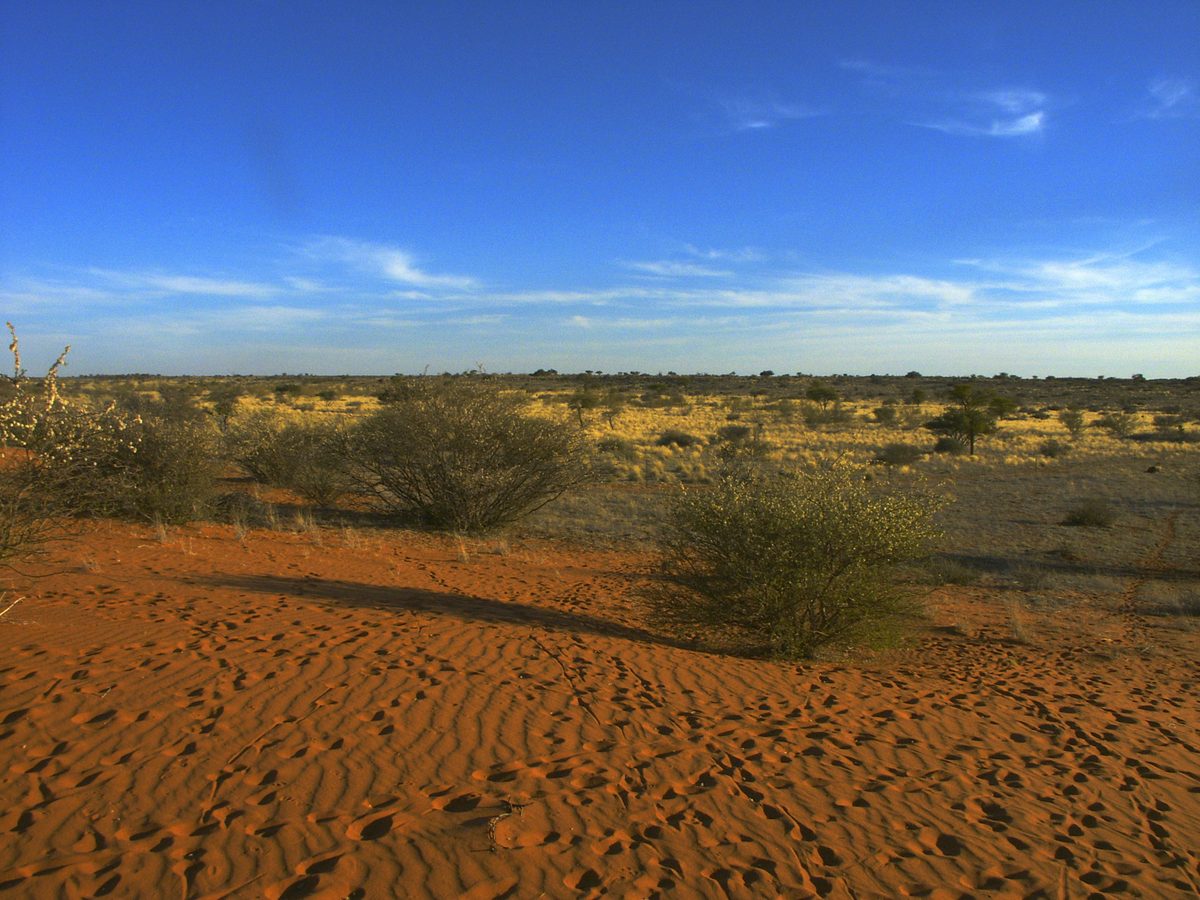
12 km of paved road
and twenty-two graduates…
At independence in nineteen sixty-six Botswana was among the three poorest countries on Earth. Twelve kilometres of paved road in the whole territory. Twenty-two citizens held a university degree. Britain had run it as a protectorate and built almost nothing.
At independence in September 1966 Botswana had approximately 12 km of paved road and 22 university graduates; per capita income was around US$80. It ranked among the poorest countries in the world.
02 / 08
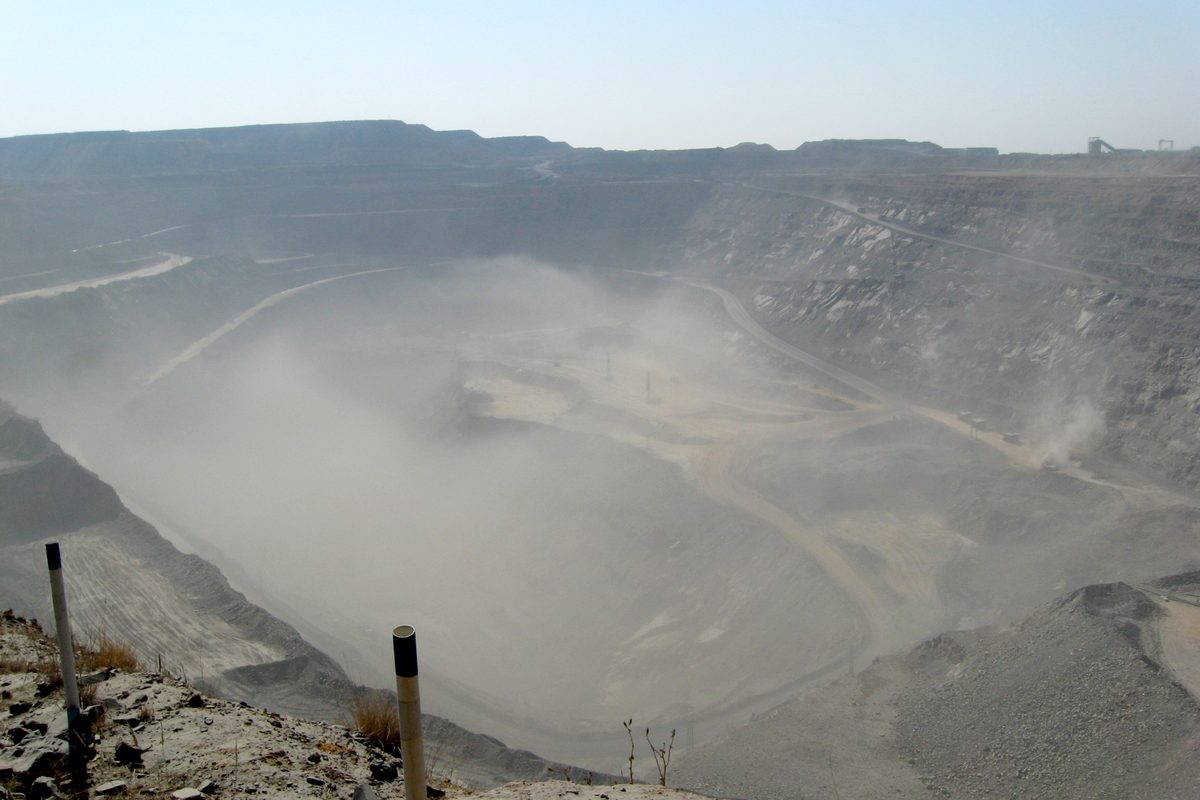
Then they found diamonds
one year in…
In nineteen sixty-seven De Beers geologists located a kimberlite pipe at Orapa — a square kilometre of diamond-bearing rock left by an eruption ninety-three million years ago. For a country this poor, this is usually the beginning of the bad part.
De Beers identified the Orapa kimberlite pipe in 1967; the mine opened in 1971. The pipe covers roughly 1.1 km2 and dates to around 93 million years ago.
03 / 08
50/50
and the share went up, not down…
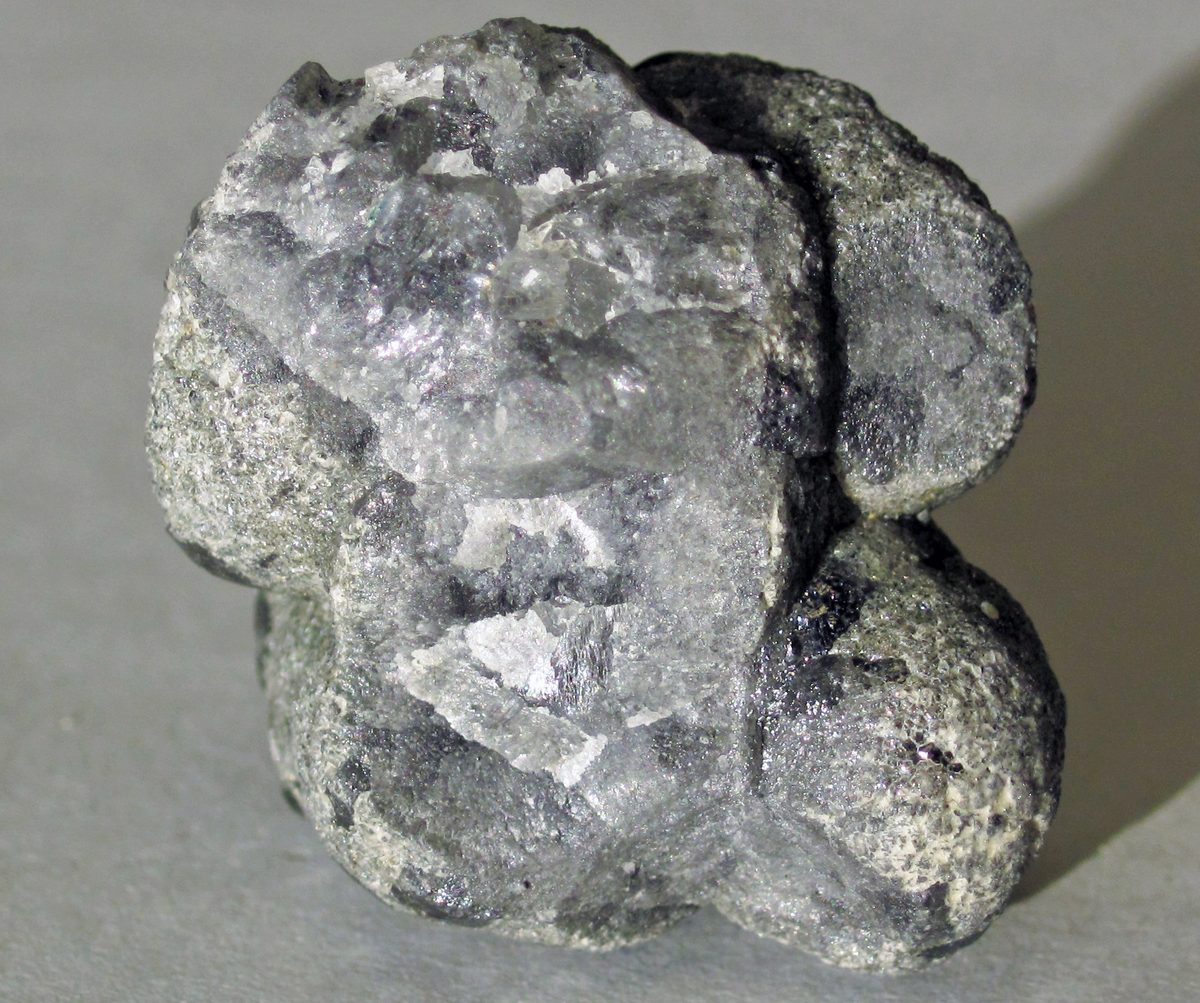
It did not go wrong. The government negotiated half. Debswana is owned fifty-fifty by Botswana and De Beers, it produces roughly a fifth of the world's gem-quality diamonds, and the state's share paid for schooling and healthcare.
Debswana was established as a joint venture in 1969; the government's stake rose from an initial 15% to 50%. Debswana accounts for roughly 20% of world gem-quality diamond production and funds public education and healthcare.
04 / 08
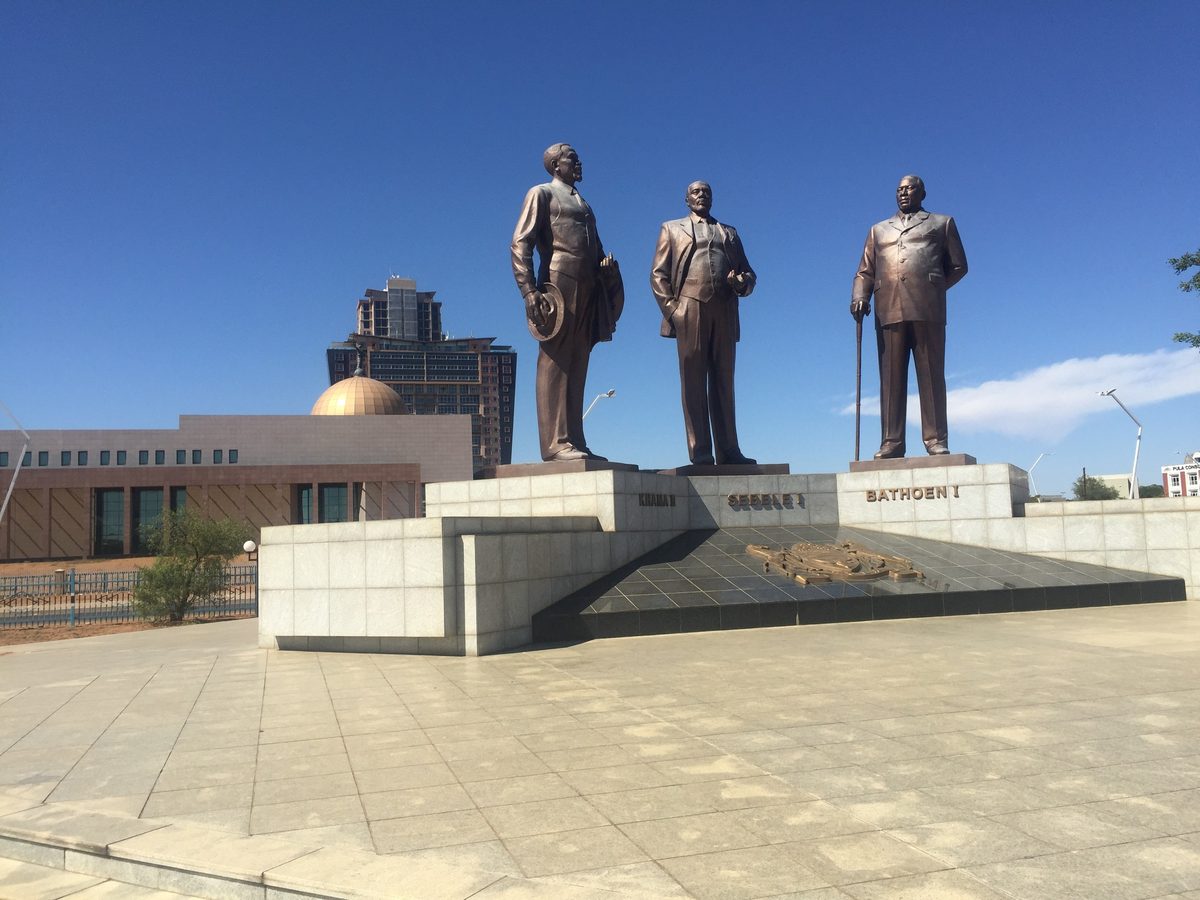
The assembly was already there
and it predates the British…
Something was in place before any of this. The kgotla is a Tswana assembly where any citizen may stand up and question the chief in public. Acemoglu and Robinson argue that inherited constraint on power is the whole difference.
The kgotla is a traditional Tswana public assembly permitting open questioning of leadership; Acemoglu and Robinson in Why Nations Fail attribute Botswana's divergence to pre-colonial institutions constraining chiefly power, alongside administrative borders drawn along existing Tswana territories.
05 / 08
7.7% a year
sustained for three decades…
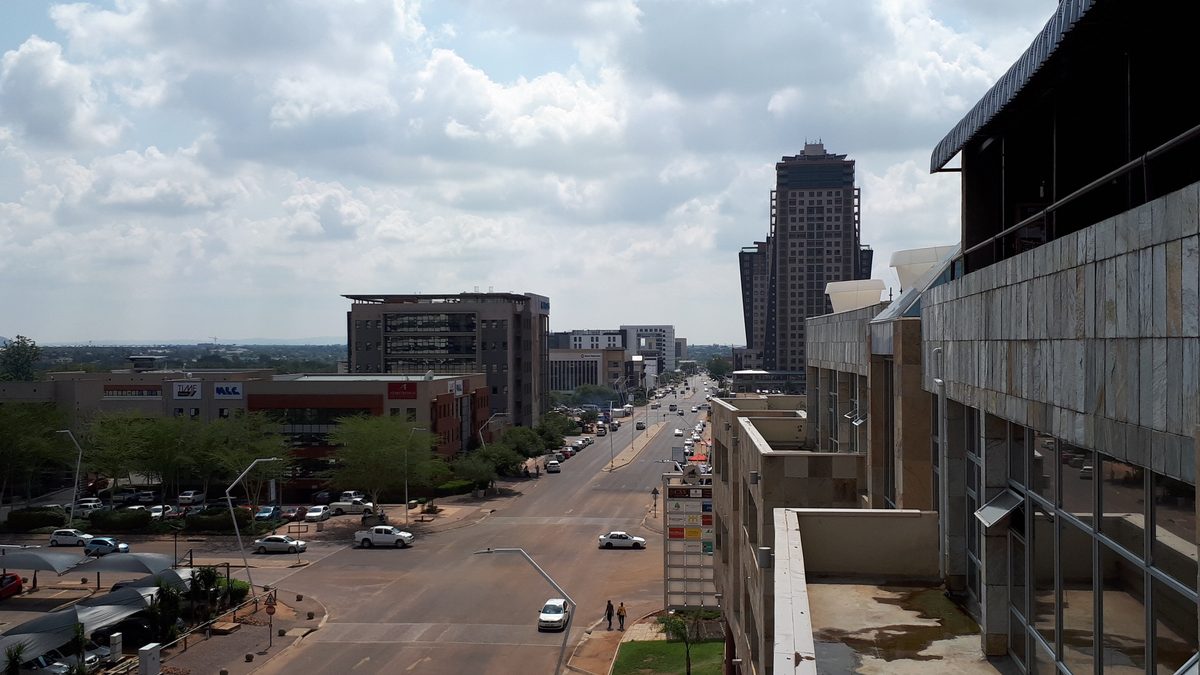
Between independence and the end of the century Botswana grew faster per head than any country on the planet — about seven point seven per cent a year, held for thirty years. It outran the Asian tigers, on diamonds, which is not supposed to happen.
Botswana recorded the world's highest sustained per-capita growth rate from 1966 to 1999, averaging approximately 7.7% annually, moving from least-developed to upper-middle-income status.
06 / 08
Then they stopped spending it
and named the money after rain…
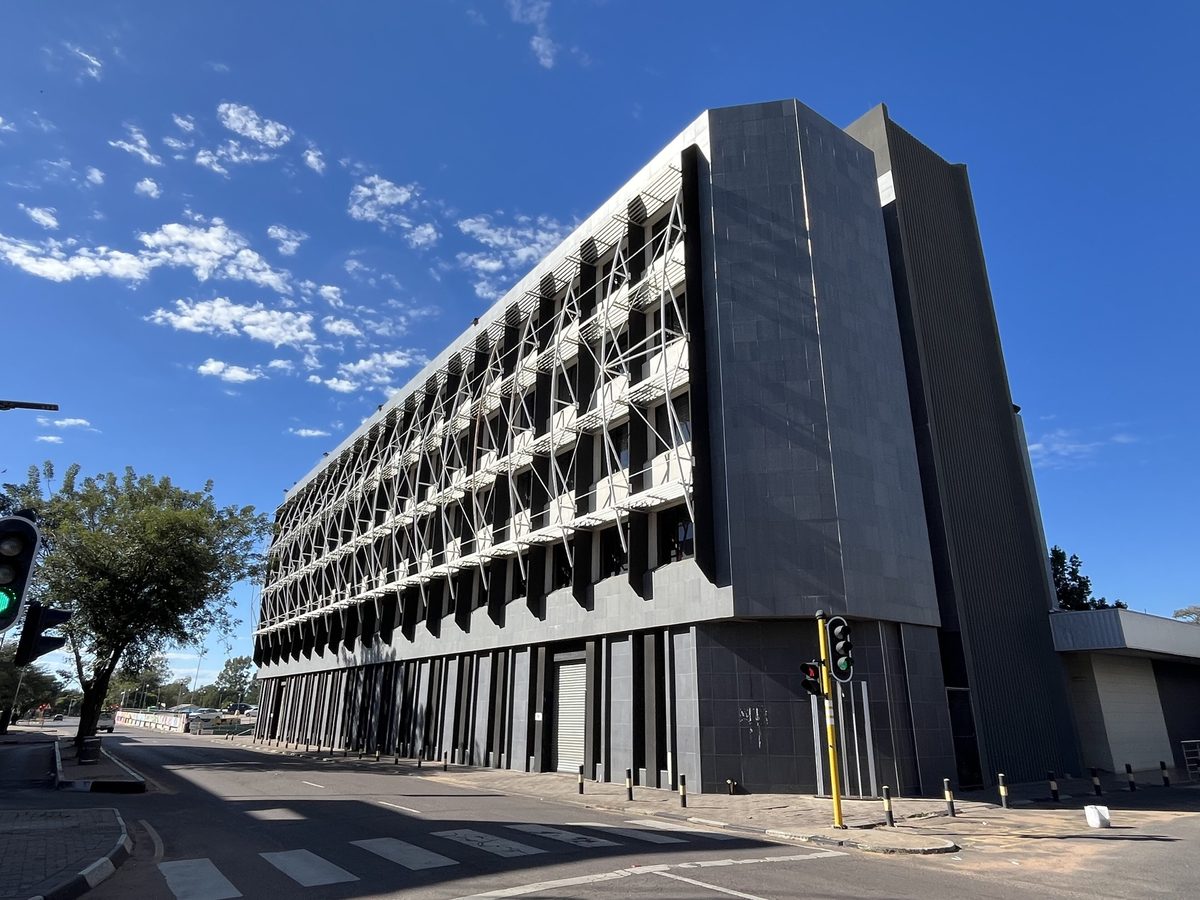
The Pula Fund, set up in nineteen ninety-three, puts diamond revenue into foreign assets and holds it for the generations who will not have diamonds. The currency is called the pula. In Setswana that word means rain.
Botswana established the Pula Fund in 1993, investing diamond and mineral revenue in long-term international portfolios for future generations. Pula is the Setswana word for rain; the subunit thebe means raindrop.
07 / 08
40% to 1%
and it was the first on the continent…
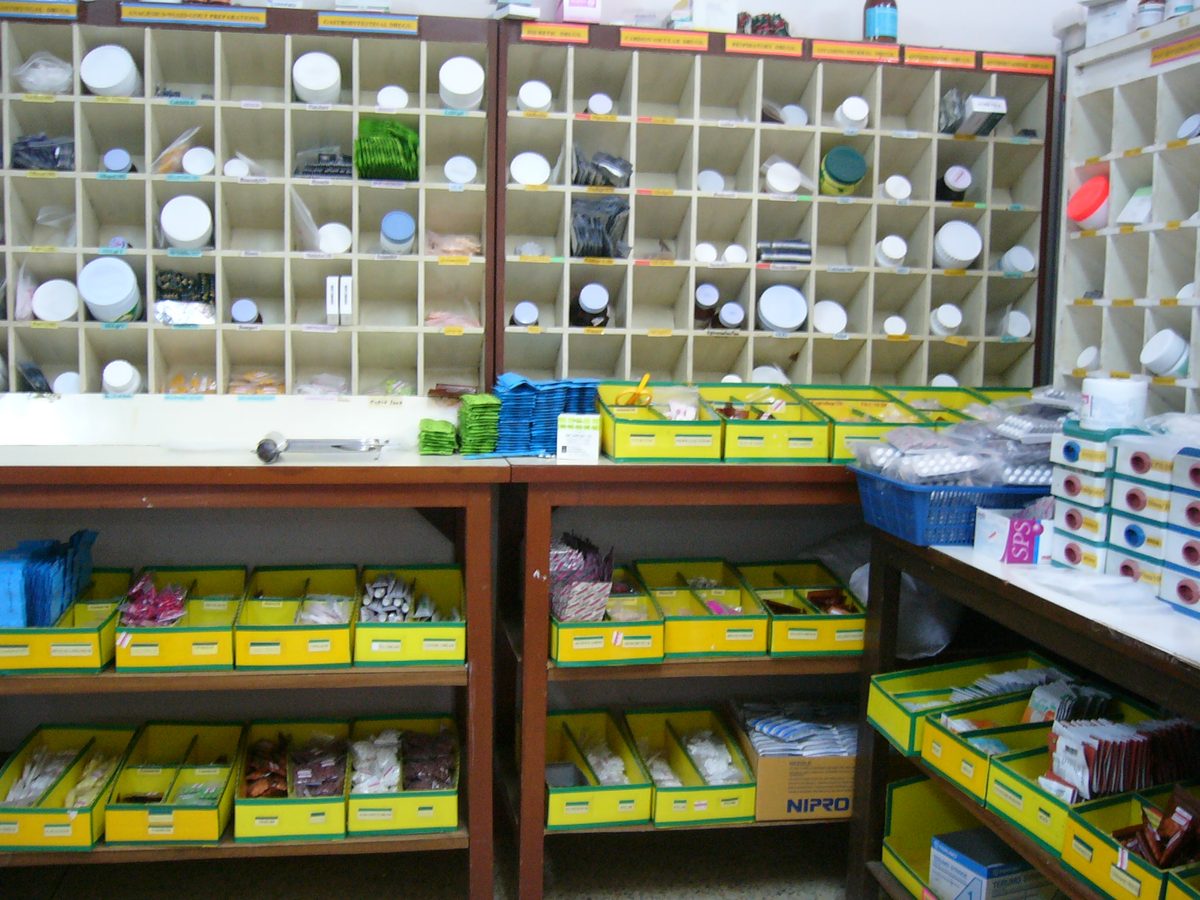
HIV nearly undid all of it. In two thousand and two Botswana became the first African country to offer free antiretroviral treatment to everyone who needed it, and transmission from mother to child fell from around forty per cent to under one.
Botswana launched the Masa programme in 2002, Africa's first free universal antiretroviral treatment programme, under President Festus Mogae. Mother-to-child HIV transmission fell from around 40% to under 1%.
08 / 08
Neither a blessing nor a curse
which is the actual finding…
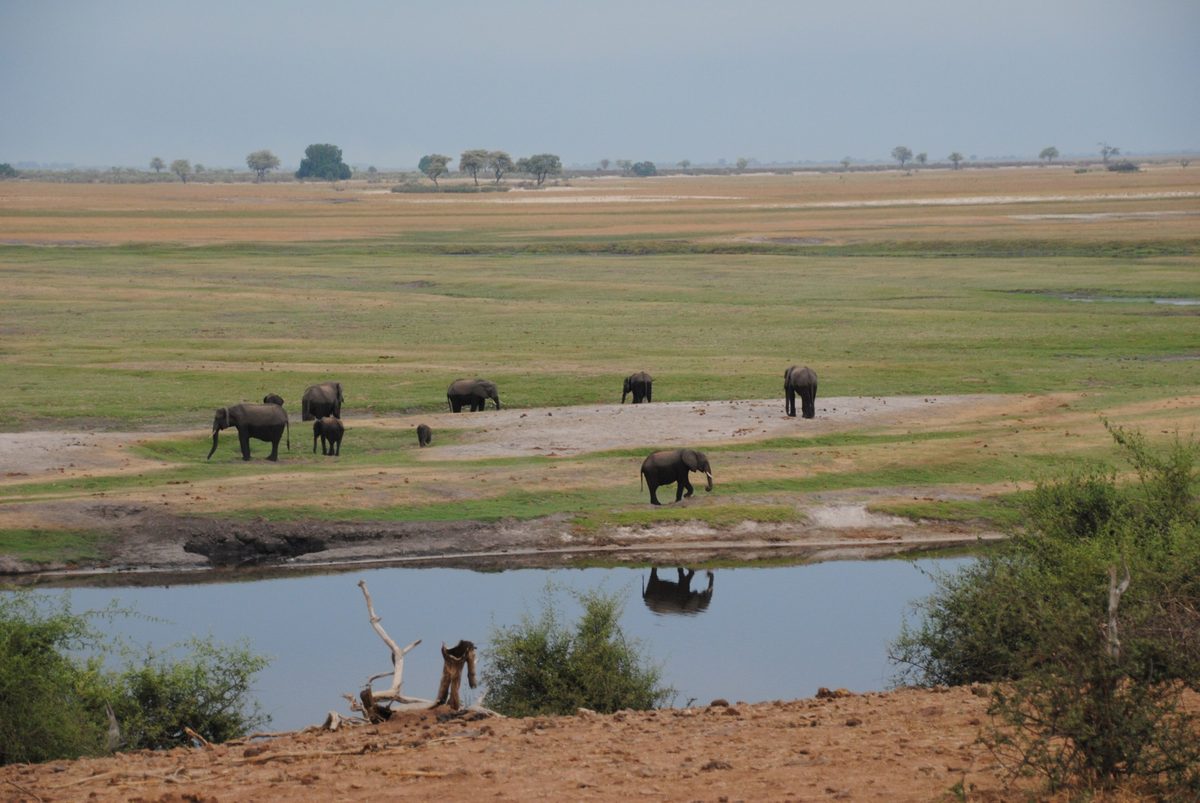
Over a third of the country is under conservation, a third of Africa's remaining elephants live there, and elections have run on schedule since sixty-six. Diamonds did none of that by themselves. What decides it is what is already standing when the money arrives.
Botswana allocates over 37% of its land to national parks, reserves and wildlife management areas, and hosts around 130,000 African elephants, over a third of the continental population. It has held multi-party elections every five years since 1966.
Sources
- At independence in September 1966 Botswana had approximately 12 km of paved road and 22 university graduates; per capita income was around US$80. It ranked among the poorest countries in the world.
- De Beers identified the Orapa kimberlite pipe in 1967; the mine opened in 1971. The pipe covers roughly 1.1 km2 and dates to around 93 million years ago.
- Debswana was established as a joint venture in 1969; the government's stake rose from an initial 15% to 50%. Debswana accounts for roughly 20% of world gem-quality diamond production and funds public education and healthcare.
- The kgotla is a traditional Tswana public assembly permitting open questioning of leadership; Acemoglu and Robinson in Why Nations Fail attribute Botswana's divergence to pre-colonial institutions constraining chiefly power, alongside administrative borders drawn along existing Tswana territories.
- Botswana recorded the world's highest sustained per-capita growth rate from 1966 to 1999, averaging approximately 7.7% annually, moving from least-developed to upper-middle-income status.
- Botswana established the Pula Fund in 1993, investing diamond and mineral revenue in long-term international portfolios for future generations. Pula is the Setswana word for rain; the subunit thebe means raindrop.
- Botswana launched the Masa programme in 2002, Africa's first free universal antiretroviral treatment programme, under President Festus Mogae. Mother-to-child HIV transmission fell from around 40% to under 1%.
- Botswana allocates over 37% of its land to national parks, reserves and wildlife management areas, and hosts around 130,000 African elephants, over a third of the continental population. It has held multi-party elections every five years since 1966.
Image credits
- Vista aérea del delta del Okavango, Botsuana, 2018-08-01, DD 26.jpg — Diego Delso, CC BY-SA 4.0 · Commons
- Kalahari PICT0036.JPG — Winfried Bruenken (Amrum), CC BY-SA 2.5 · Commons
- Jwaneng Open Mine.jpg — Cretep, Public domain · Commons
- Framesite diamondite (South Africa) 6.jpg — James St. John, CC BY 2.0 · Commons
- Three Dikgosi Monument, Gaborone, Botswana.jpg — CivArmy, CC BY 4.0 · Commons
- Botswana, Gaborone Central Business District.jpg — Jota @ BRAZIL, Public domain · Commons
- National Development Bank of Botswana.jpg — LittleT889, CC BY 4.0 · Commons
- Hospital Pharmacy.JPG — User:Mattes, Public domain · Commons
- Elephants and the beauty of Chobe NP - Botswana - panoramio.jpg — diego_cue, CC BY-SA 3.0 · Commons


_6.jpg)


