Countries · Nº 02
Iceland
A parliament since the year 930. No army. And a volcano that once killed a quarter of them.
01 / 08
930
in a crack between two continents…
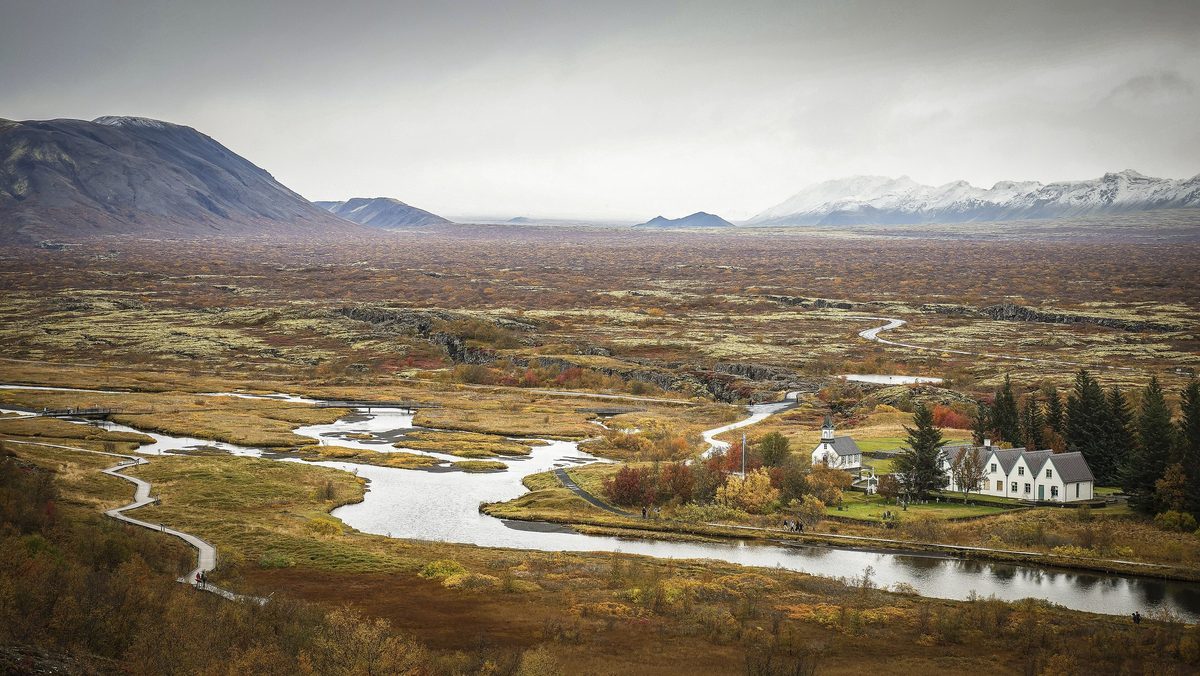
Icelanders have been meeting to make law since the year nine hundred and thirty — the oldest parliament still sitting. They held it at Þingvellir, in a rift valley, on the seam where the North American and Eurasian plates pull apart. The ground itself is coming open there.
The Alþingi was established at Þingvellir c. 930 CE and is the oldest extant parliamentary institution. Þingvellir lies in the rift valley of the Mid-Atlantic Ridge, on the boundary between the North American and Eurasian plates.
02 / 08
The year the sky went wrong
1783, and it did not stop for eight months…
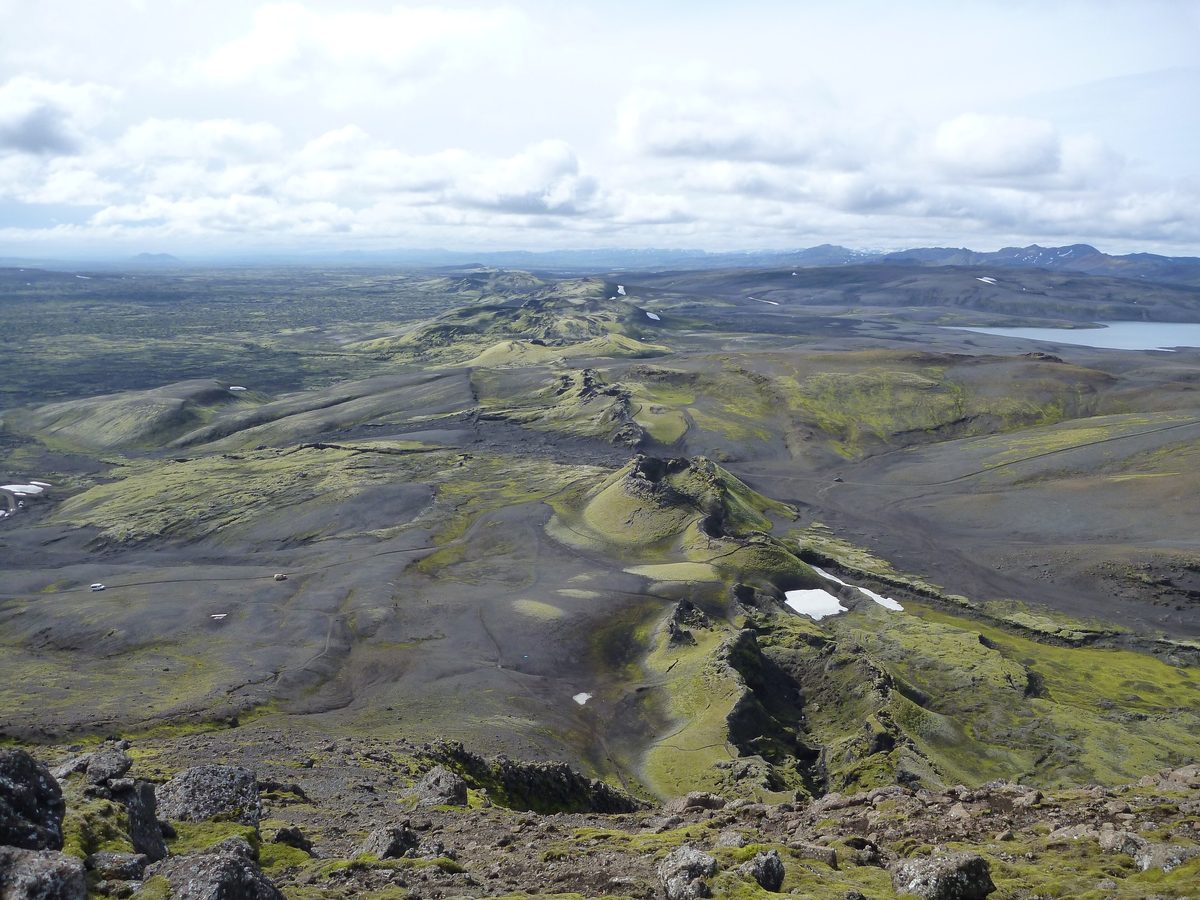
A fissure called Laki opened and poured out poison for eight months. Fluorine settled on the grass, more than half the livestock died, and then the people did. About a quarter of Iceland was gone.
Laki fissure eruption, June 1783 – February 1784. Fluorosis and famine killed an estimated 20–25% of Iceland's population and over half its livestock. The sulphurous haze affected European weather and harvests; a contributing role in pre-revolutionary French famine is argued but debated.
03 / 08
200 miles
and they had no navy at all…
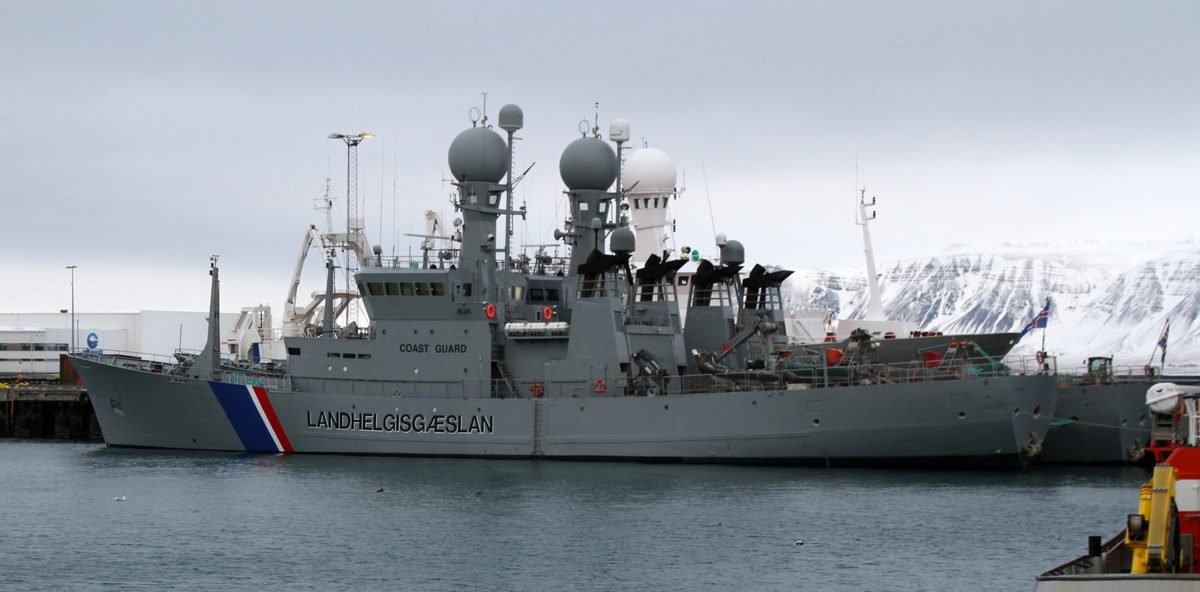
Between 1958 and 1976 Iceland fought Britain three times over fishing water, with no army and a handful of coastguard boats carrying cable cutters. It won all three. The two hundred mile limit it forced through is now the world standard.
The Cod Wars (1958–61, 1972–73, 1975–76): Iceland extended fishery limits to 12, then 50, then 200 nautical miles and prevailed each time, aided by NATO leverage. The 200 nm exclusive economic zone was codified in UNCLOS, 1982.
04 / 08
Now it heats the houses
the same ground, put to work…
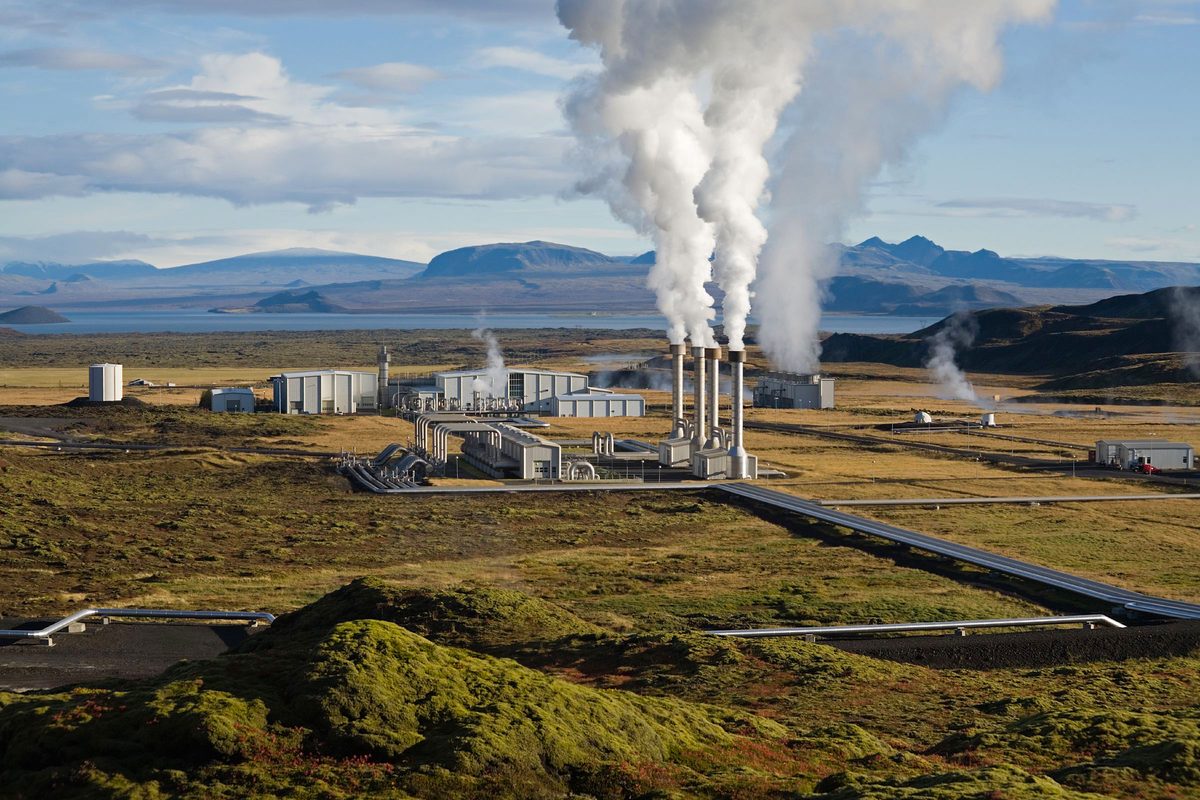
Almost every building in Iceland is warmed by water pumped out of volcanic rock, and nearly all its electricity comes from that heat and from meltwater. The thing that nearly finished them is the reason nobody there is cold.
Around 85–90% of Icelandic homes are heated geothermally; close to 100% of electricity is generated from geothermal and hydroelectric sources. Reykjavík transitioned from coal heating through the mid-20th century.
05 / 08
1973
a town, a harbour, and a wall of lava…
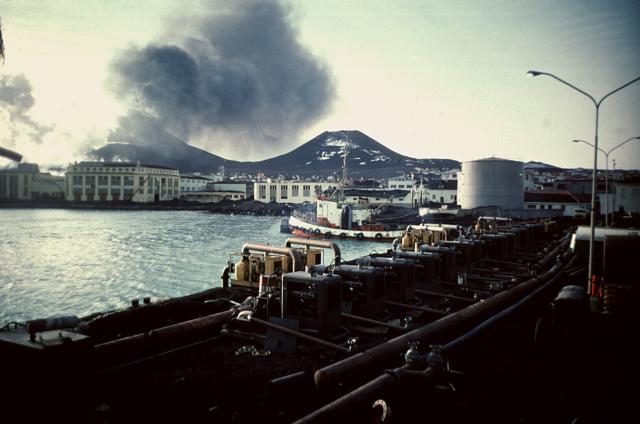
On a January night in 1973 the ground split open beside a fishing town on Heimaey, and lava started moving towards the harbour the island lived on. So they fought it. For six months they pumped seawater onto the advancing flow until it stalled and hardened. The harbour is still there.
Eldfell erupted on Heimaey without warning, 23 January 1973. Residents and engineers pumped seawater onto the advancing flow for months, halting it and preserving the harbour — the first successful attempt to divert a lava flow.
06 / 08
Then they put the bankers in prison
which is the part nobody copied…
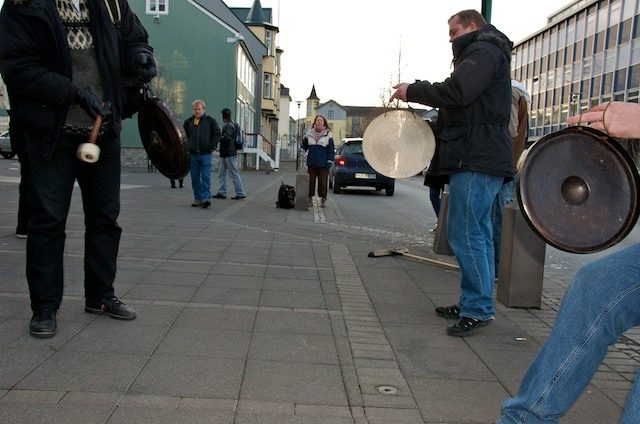
By 2008 three Icelandic banks held ten times everything the country earned in a year — the largest banking collapse relative to an economy ever recorded. Iceland let them fail instead of rescuing them, then prosecuted the men who ran them. Thirty-six bankers went to prison.
Combined assets of Kaupthing, Landsbanki and Glitnir were ~10× Icelandic GDP at failure in October 2008; the largest systemic banking collapse relative to economy size on record. Icelandic courts sentenced 36 bankers to a combined ~96 years, including senior executives.
07 / 08
1980
and no country had done it before…
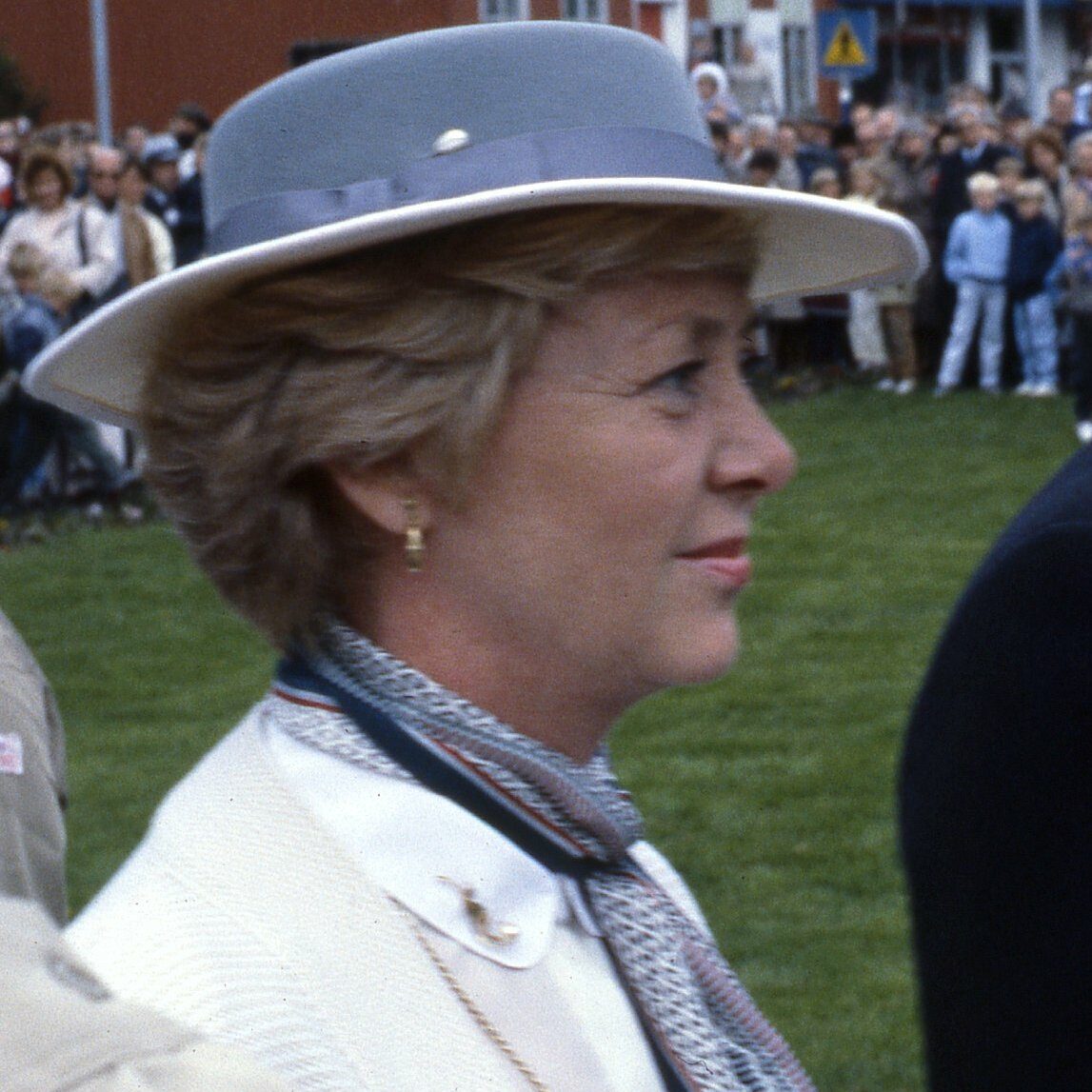
Iceland elected Vigdís Finnbogadóttir president in 1980, the first woman anywhere elected head of a state. She was a theatre director and a single mother, she won by a margin of about a point, and she held the office for sixteen years.
Vigdís Finnbogadóttir elected President of Iceland 29 June 1980 with 33.6% in a four-way race — the world's first democratically elected female head of state. Formerly a French teacher and director of the Reykjavík Theatre Company; served four terms to 1996.
08 / 08
And in 1963 a new one arrived
nobody is allowed to set foot on it…
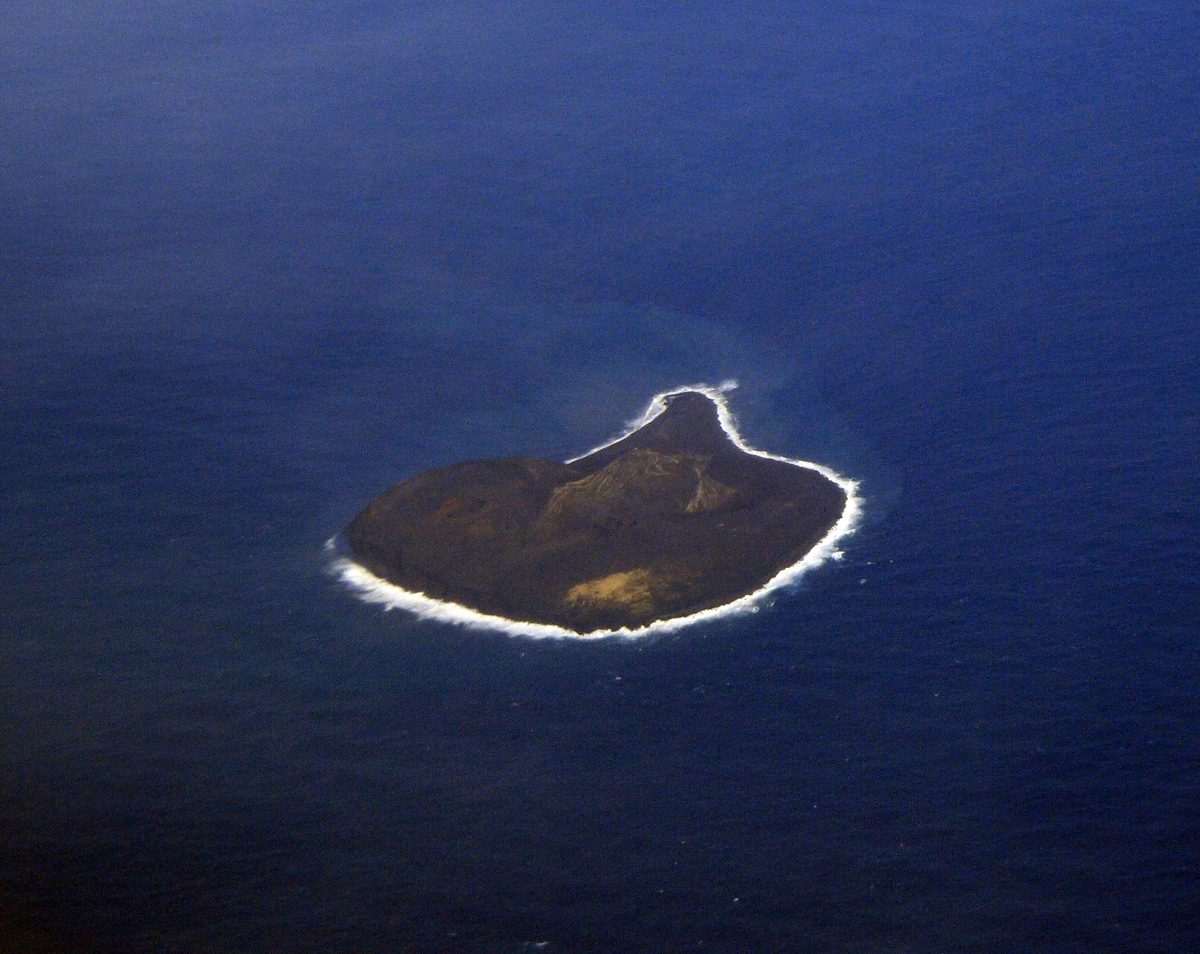
A fishing crew south of Iceland saw smoke on the water in November 1963. It was an island being born. They called it Surtsey, and when it stopped growing they closed it — only a few scientists, so life arriving on new ground could be watched from the start.
Surtsey emerged from the sea 14 November 1963 and erupted until 1967. Access is restricted to a small number of researchers to preserve the natural colonisation process; UNESCO World Heritage Site since 2008.
Sources
- The Alþingi was established at Þingvellir c. 930 CE and is the oldest extant parliamentary institution. Þingvellir lies in the rift valley of the Mid-Atlantic Ridge, on the boundary between the North American and Eurasian plates.
- Laki fissure eruption, June 1783 – February 1784. Fluorosis and famine killed an estimated 20–25% of Iceland's population and over half its livestock. The sulphurous haze affected European weather and harvests; a contributing role in pre-revolutionary French famine is argued but debated.
- The Cod Wars (1958–61, 1972–73, 1975–76): Iceland extended fishery limits to 12, then 50, then 200 nautical miles and prevailed each time, aided by NATO leverage. The 200 nm exclusive economic zone was codified in UNCLOS, 1982.
- Around 85–90% of Icelandic homes are heated geothermally; close to 100% of electricity is generated from geothermal and hydroelectric sources. Reykjavík transitioned from coal heating through the mid-20th century.
- Eldfell erupted on Heimaey without warning, 23 January 1973. Residents and engineers pumped seawater onto the advancing flow for months, halting it and preserving the harbour — the first successful attempt to divert a lava flow.
- Combined assets of Kaupthing, Landsbanki and Glitnir were ~10× Icelandic GDP at failure in October 2008; the largest systemic banking collapse relative to economy size on record. Icelandic courts sentenced 36 bankers to a combined ~96 years, including senior executives.
- Vigdís Finnbogadóttir elected President of Iceland 29 June 1980 with 33.6% in a four-way race — the world's first democratically elected female head of state. Formerly a French teacher and director of the Reykjavík Theatre Company; served four terms to 1996.
- Surtsey emerged from the sea 14 November 1963 and erupted until 1967. Access is restricted to a small number of researchers to preserve the natural colonisation process; UNESCO World Heritage Site since 2008.
Image credits
- Fimmvorduhals 2010 03 27 dawn.jpg — Boaworm, CC BY 3.0 · Commons
- Þingvellir plain, Iceland.jpg — Marine SABRES, CC BY 4.0 · Commons
- Row of Craters on Laki Fissure in Iceland.jpg — Anne Schöpa, CC BY 3.0 · Commons
- Icelandic Coast Guard Vessels (24786021523).jpg — Tony Hisgett from Birmingham, UK, CC BY 2.0 · Commons
- NesjavellirPowerPlant edit2.jpg — Gretar Ívarsson – Edited by Fir0002, Public domain · Commons
- The town of Vestmannaeyjar and the harbor during the eruption of Eldfell in 1973.jpg — Photo by Jack Lockwood, 1973 (U.S. Geological Survey)., Public domain · Commons
- Cutlery protest outside Althingi, Iceland's House of Parliament (3443260400).jpg — Greg Neate from Sussex, UK, CC BY 2.0 · Commons
- Vigdís Finnbogadóttir President of Iceland 1985 (sq cropped).jpg — Sten-Åke Stenberg, CC BY-SA 2.0 · Commons
- Surtsey from air by Bruce McAdam.jpg — Bruce McAdam from Reykjavik, Iceland, CC BY-SA 2.0 · Commons


.jpg)


.jpg)
.jpg)
