Countries · Nº 03
Vietnam
The war you have heard of is not the one that shaped it.
01 / 08
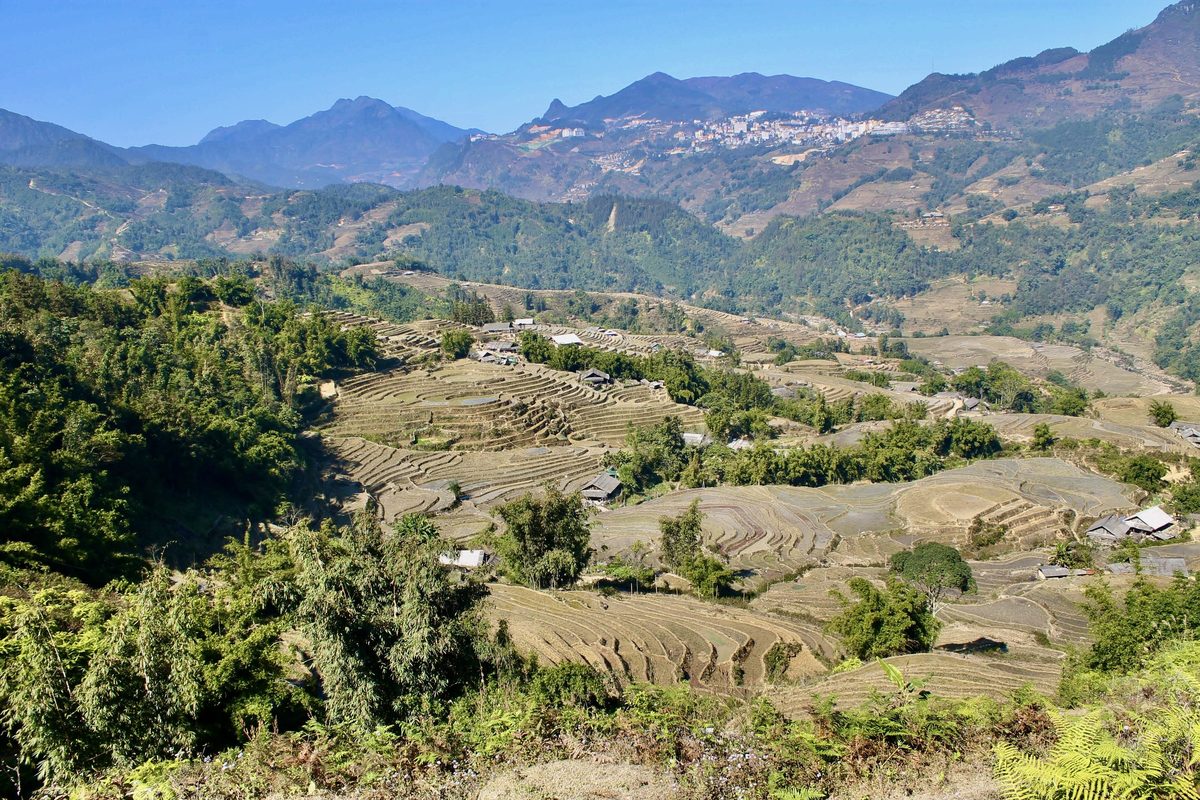
1,000 years
and it ended with stakes in a riverbed…
Vietnam spent about a thousand years as a province of China. It got out in 938, when Ngô Quyền had iron-tipped stakes driven into the bed of the Bạch Đằng river, lured the Chinese fleet upstream on a high tide, and waited for the water to drop.
Chinese domination of Vietnam c. 111 BCE – 938 CE. Ngô Quyền defeated the Southern Han fleet at the Bạch Đằng river in 938 using iron-tipped stakes concealed by the tide, ending Chinese rule.
02 / 08
Then the Mongols came
the same river, the same idea…
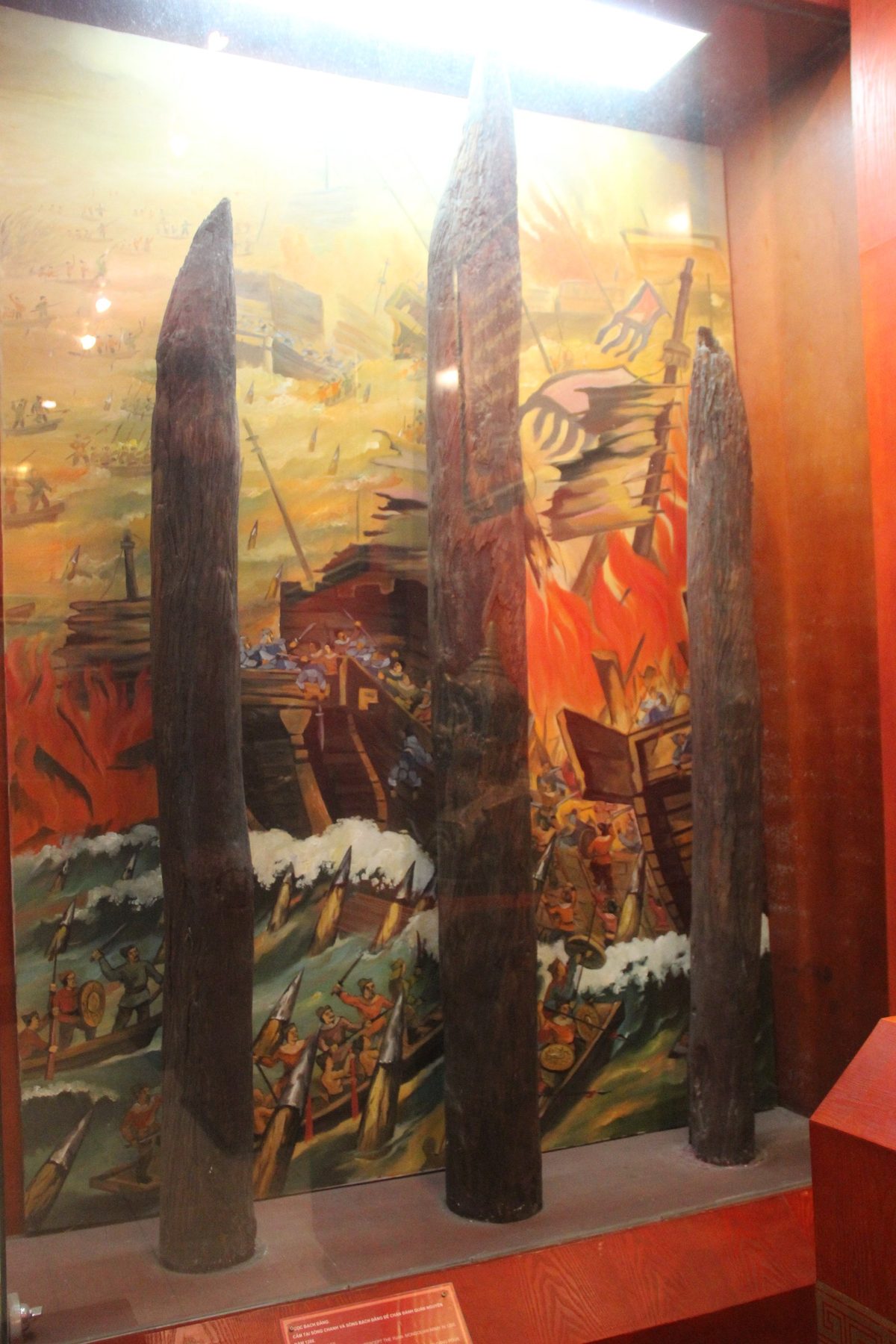
Three times the empire that had swallowed China and Persia came south, and three times it was pushed back. In 1288 Trần Hưng Đạo used the same river and the same trick, and Kublai Khan's fleet went down on the stakes.
The Trần dynasty repelled three Mongol invasions (1258, 1285, 1287–88). At the second Battle of Bạch Đằng, 1288, Trần Hưng Đạo destroyed the Yuan fleet using the same tidal stake tactic.
03 / 08
250,000 porters
carrying artillery up a mountain by hand…
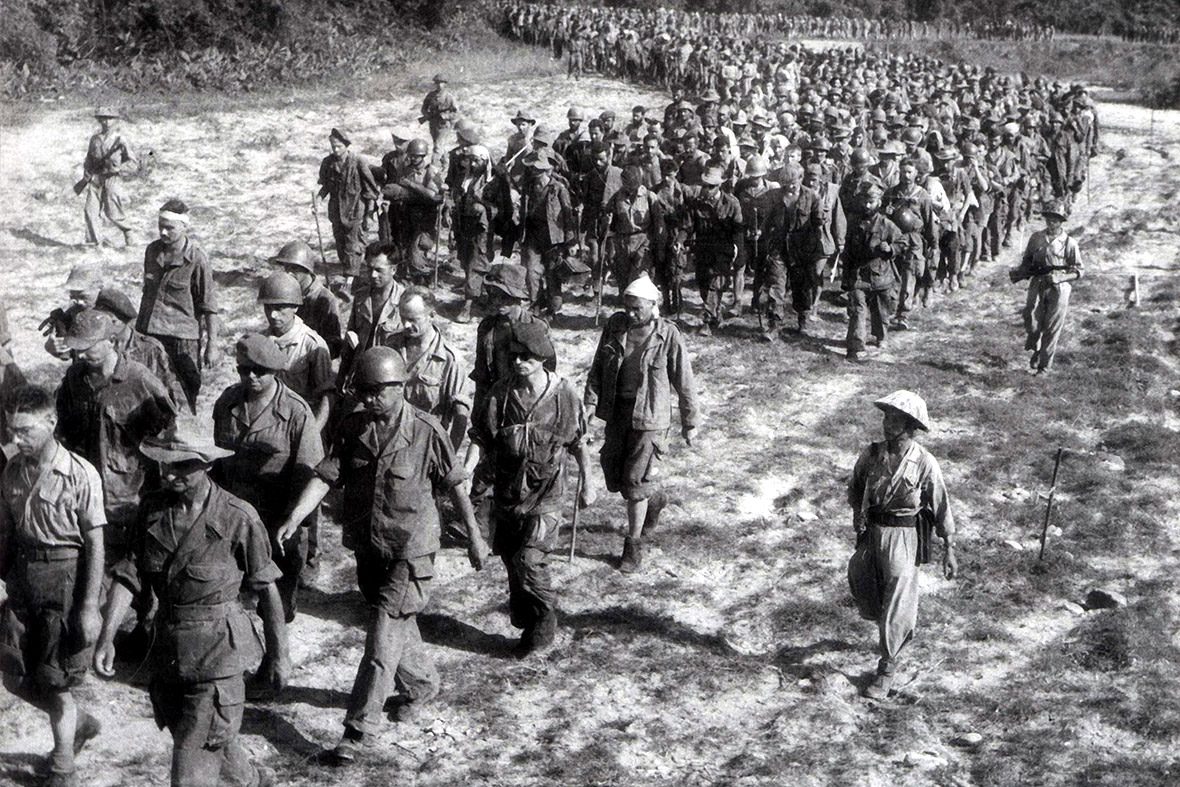
In 1954 the French dug in at Điện Biên Phủ, in a valley, sure that nobody could get heavy guns onto the hills above. Võ Nguyên Giáp took the guns apart and had a quarter of a million people carry the pieces up through the jungle, on foot and on bicycles.
Battle of Điện Biên Phủ, March–May 1954. Vietnamese forces under Võ Nguyên Giáp moved disassembled artillery to the surrounding heights using an estimated 250,000 porters and modified bicycles; French surrender led to the Geneva Accords.
04 / 08
Then the one you have heard of
twenty years, and it is not the long story…
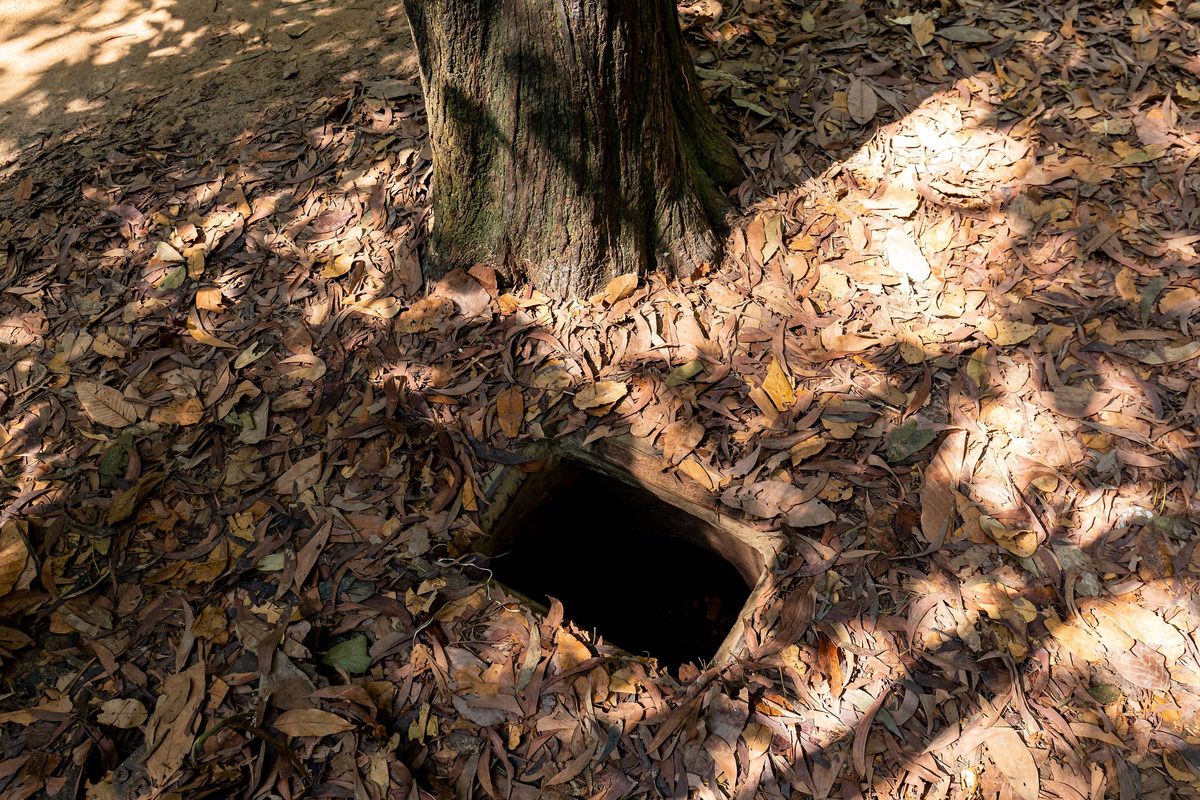
The country was cut in half at the seventeenth parallel and the next war ran twenty years. In Vietnam it is not called the Vietnam War. It is the American War — one more entry on a very long list.
The Geneva Accords of 1954 partitioned Vietnam at the 17th parallel. The conflict is known in Vietnam as Kháng chiến chống Mỹ — the Resistance War Against America. Estimates of Vietnamese deaths range from roughly 1 to over 3 million.
05 / 08
1979
four years after the last one ended…
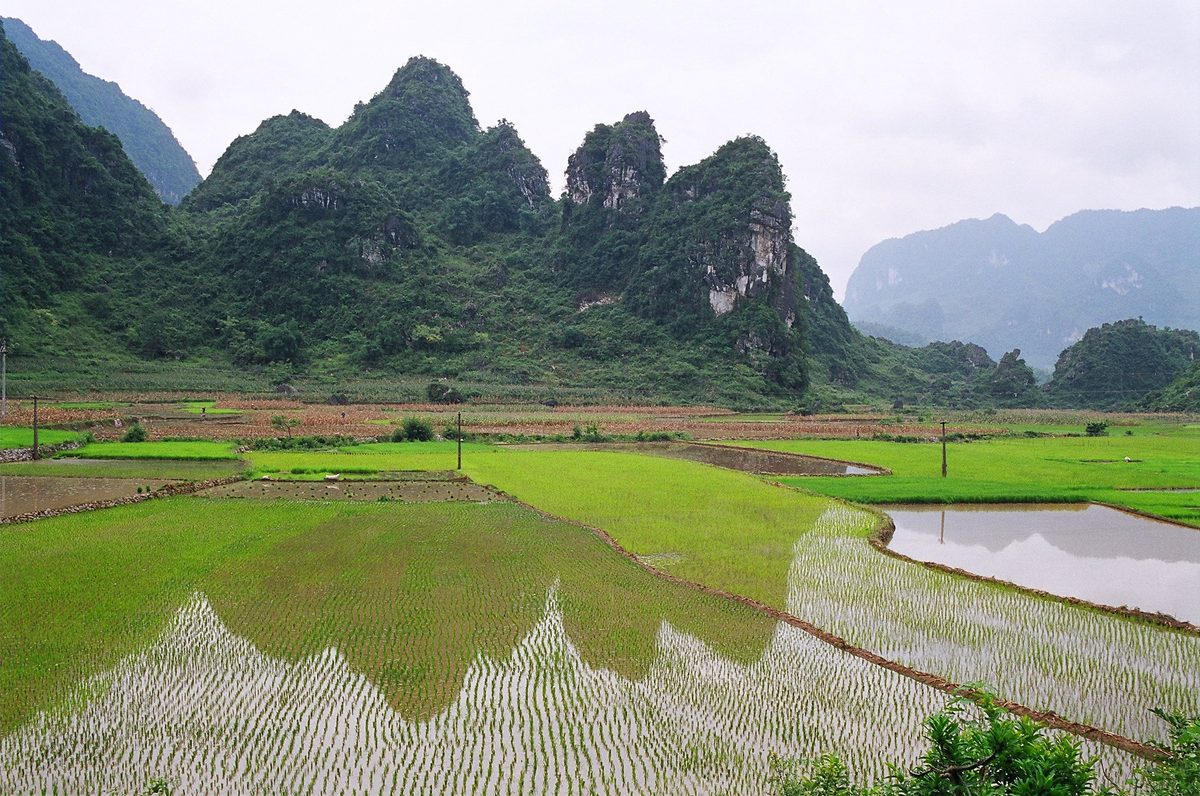
Saigon fell in 1975. Four years later China crossed the northern border to punish Vietnam for removing the Khmer Rouge from Cambodia. Under a month, tens of thousands dead on each side. The neighbour to the north is the constant.
Sino-Vietnamese War, February–March 1979, launched after Vietnam's invasion of Cambodia deposed the Khmer Rouge. Roughly 30,000 deaths on each side, though figures are disputed and unverified.
06 / 08
Renovation
1986, and they stopped rationing rice…
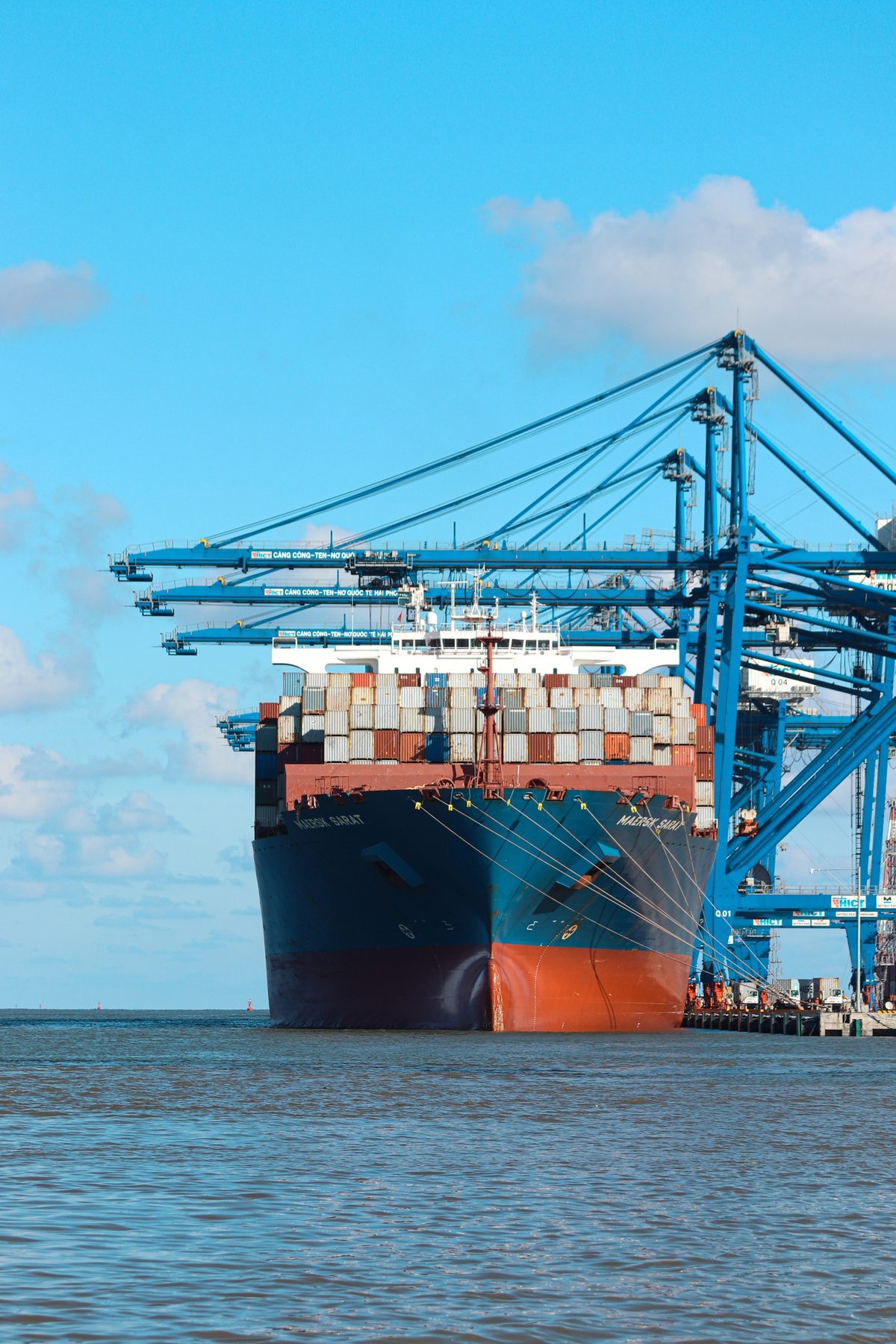
In 1986 Vietnam abandoned central planning under a policy called Đổi Mới — renovation. A country that had been rationing food became the world's second largest exporter of coffee. Poverty fell from most of the population to a fraction of it.
Đổi Mới reforms adopted 1986. World Bank: poverty fell from roughly 60% in the early 1990s to single digits; extreme poverty now under 4%. Vietnam is the second largest coffee exporter and third largest rice exporter globally.
07 / 08
18% of the ground
is still not safe to dig…
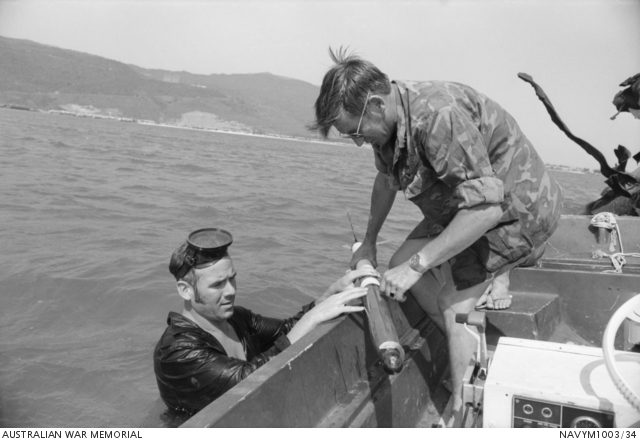
The government estimates eighteen per cent of the country still holds unexploded ordnance. Since the fighting stopped in 1975 it has killed about forty thousand people and injured sixty thousand — mostly farmers, many of them children. Clearance will take decades more.
Government of Vietnam estimate: ~18% of national land area contaminated by explosive remnants of war. Approximately 40,000 killed and 60,000 injured by UXO since 1975.
08 / 08
Now ask them about America
which is the part that stops people…
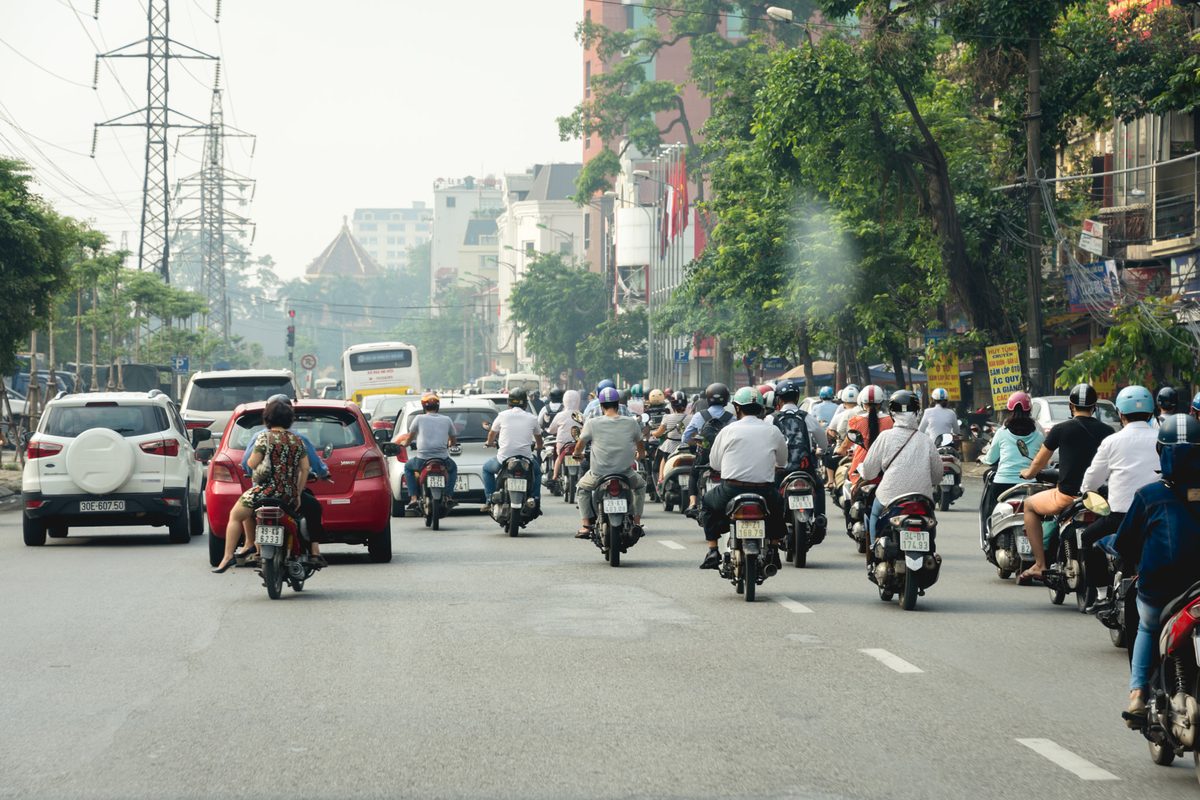
Vietnam is among the most pro-American countries surveyed anywhere. About three quarters view the United States favourably, rising to nine in ten among the young. And among Vietnamese old enough to remember the war themselves, it is still more than six in ten.
Pew Research Center: 76% of Vietnamese held a favourable view of the US (2014), among the highest of any country surveyed; 89% among 18–29s and the highly educated; over 60% among those aged 50 and older.
Sources
- Chinese domination of Vietnam c. 111 BCE – 938 CE. Ngô Quyền defeated the Southern Han fleet at the Bạch Đằng river in 938 using iron-tipped stakes concealed by the tide, ending Chinese rule.
- The Trần dynasty repelled three Mongol invasions (1258, 1285, 1287–88). At the second Battle of Bạch Đằng, 1288, Trần Hưng Đạo destroyed the Yuan fleet using the same tidal stake tactic.
- Battle of Điện Biên Phủ, March–May 1954. Vietnamese forces under Võ Nguyên Giáp moved disassembled artillery to the surrounding heights using an estimated 250,000 porters and modified bicycles; French surrender led to the Geneva Accords.
- The Geneva Accords of 1954 partitioned Vietnam at the 17th parallel. The conflict is known in Vietnam as Kháng chiến chống Mỹ — the Resistance War Against America. Estimates of Vietnamese deaths range from roughly 1 to over 3 million.
- Sino-Vietnamese War, February–March 1979, launched after Vietnam's invasion of Cambodia deposed the Khmer Rouge. Roughly 30,000 deaths on each side, though figures are disputed and unverified.
- Đổi Mới reforms adopted 1986. World Bank: poverty fell from roughly 60% in the early 1990s to single digits; extreme poverty now under 4%. Vietnam is the second largest coffee exporter and third largest rice exporter globally.
- Government of Vietnam estimate: ~18% of national land area contaminated by explosive remnants of war. Approximately 40,000 killed and 60,000 injured by UXO since 1975.
- Pew Research Center: 76% of Vietnamese held a favourable view of the US (2014), among the highest of any country surveyed; 89% among 18–29s and the highly educated; over 60% among those aged 50 and older.
Image credits
- Ha Long Bay, Tower karsts.jpg — Vyacheslav Argenberg, CC BY 4.0 · Commons
- Rice terraces in Sapa, Vietnam.jpg — Eerin25, CC0 · Commons
- Wood Stakes Used to Destroy Mongol Fleet at Bach Dang, 1288 (9732100161).jpg — Gary Todd from Xinzheng, China, CC0 · Commons
- Dien Bien Phu 1954 French prisoners.jpg — Stringer, AFP, Public domain · Commons
- 20190925 Cu Chi tunnel entrance.jpg — Balon Greyjoy, CC0 · Commons
- CaoBang.jpg — No machine-readable author provided. Ajarnmike assumed (based on copyright claims)., CC BY-SA 2.5 · Commons
- Container Ship at the Hai Phong International Container Terminal 02.jpg — Nathan.cima, CC BY-SA 4.0 · Commons
- RAN Clearance Diving Team 3 recovering unexploded 2.75 inch rocket from the water at Da Nang.jpg — RAN Public Relations, CC0 · Commons
- Hanoi Traffic (174818911).jpeg — Benjamin Arnold, CC BY 3.0 · Commons


.jpg)


.jpeg)