Countries · Nº 01
Estonia
Occupied for half a century. It came back as software.
01 / 08
99%
of the state, and no paper anywhere…
Ninety-nine per cent of Estonian government services run online, around the clock. You can vote, file taxes, register a birth or start a company without meeting anyone. The queue, the counter and the form are simply gone.
Estonia: 99% of public services available online 24/7; e-services span registration to voting.
02 / 08
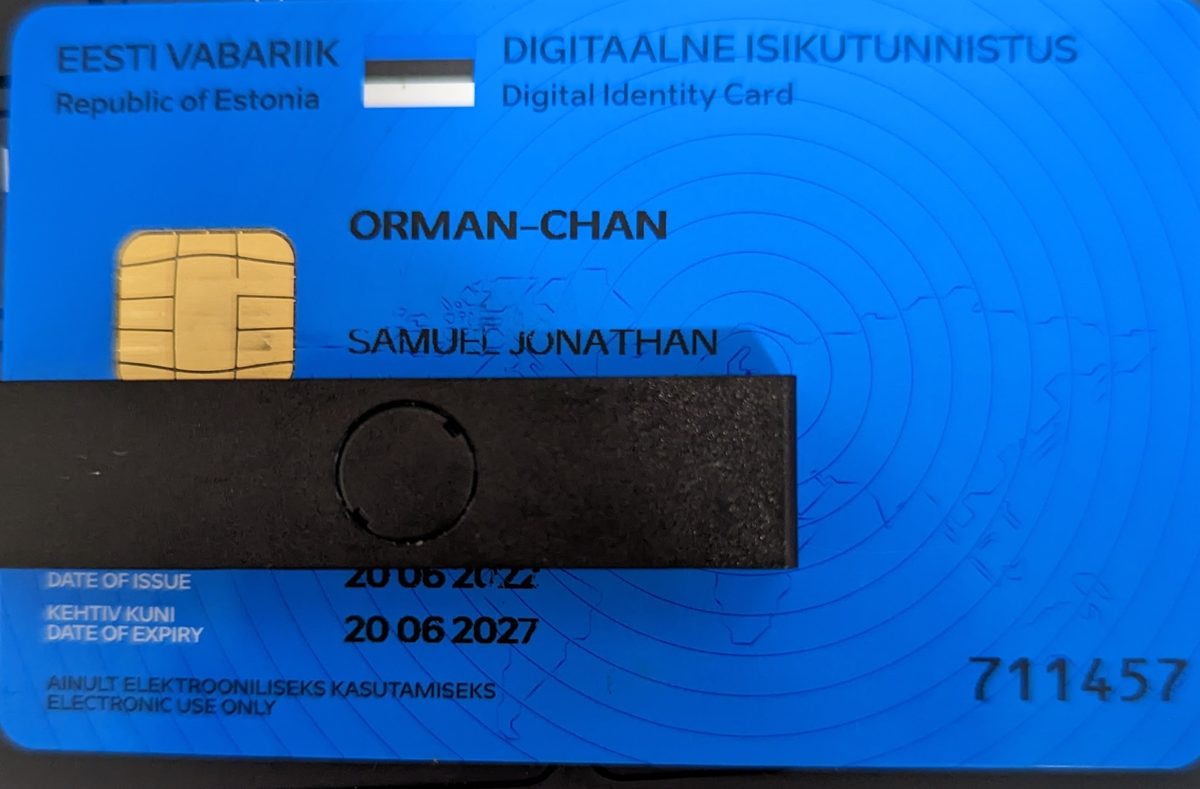
Citizenship you can join from anywhere
Tallinn invented a new kind of member…
In 2014 Estonia began issuing e-residency: a state-backed digital identity for people who have never set foot there. More than a hundred thousand have taken one, from over a hundred and seventy countries, mostly to run companies inside the EU from a laptop.
e-Residency launched 2014; 110,000+ e-residents from 170+ countries.
03 / 08
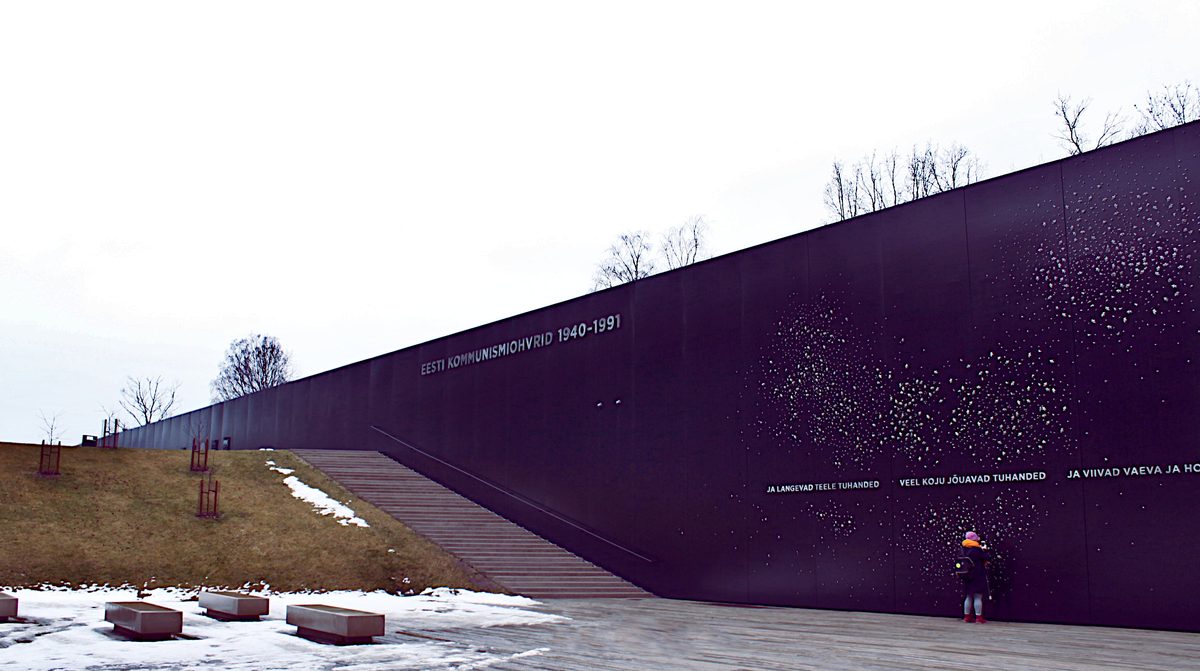
1940
none of it was always so…
None of this was inevitable. In 1940 the Soviet Union annexed Estonia, and apart from a Nazi occupation in between, it stayed annexed for half a century. Tens of thousands were deported east. The language survived in kitchens and in song.
Soviet annexation 1940; Nazi occupation 1941-44; Soviet rule to 1991; mass deportations.
04 / 08
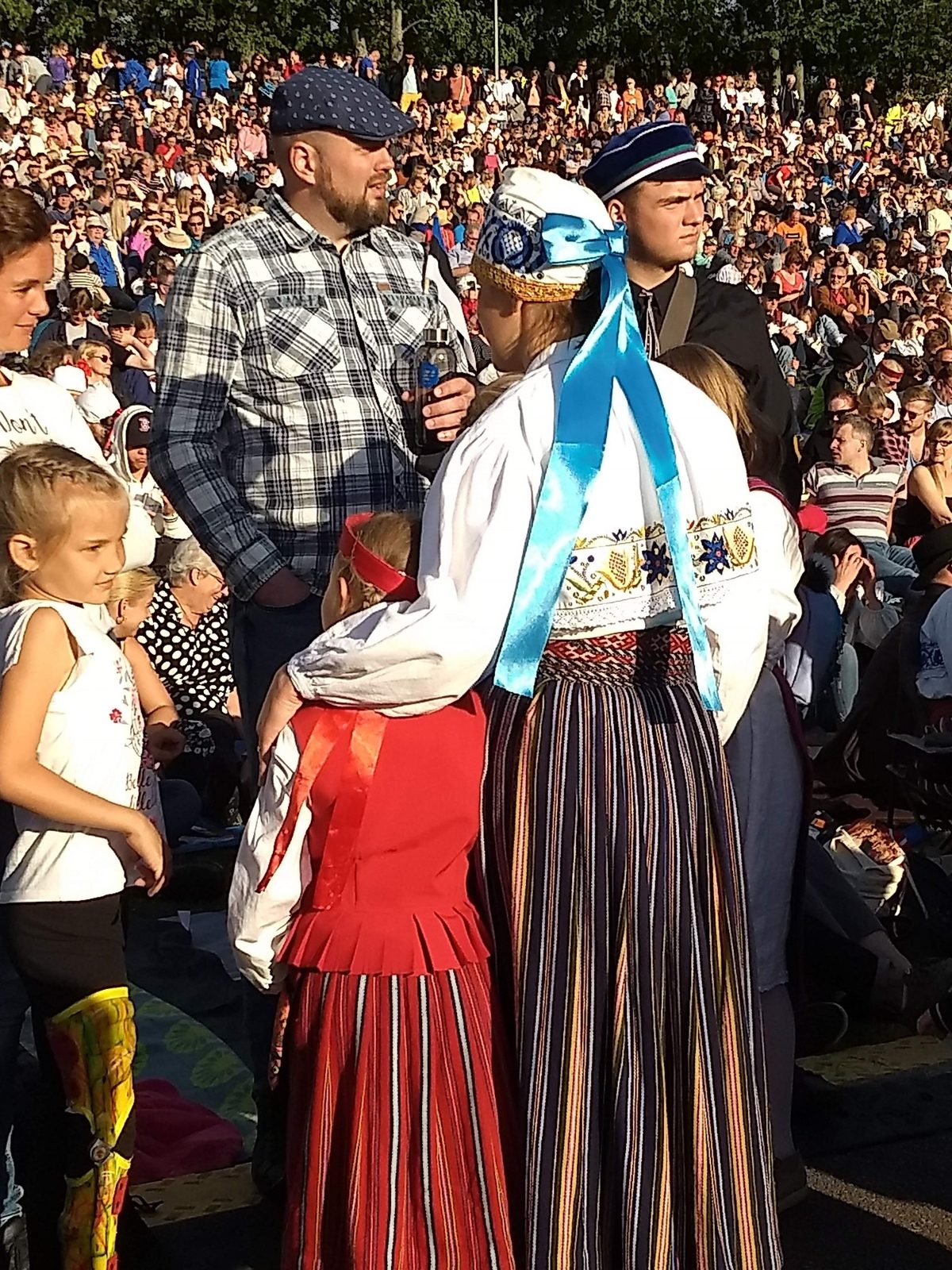
So they sang
the weapon they had left…
Estonia holds a national song festival, a tradition running since 1869. Under occupation it became the one place a hundred thousand people could gather and sing forbidden national songs together. The resistance that ended Soviet rule here is called the Singing Revolution, and the name is literal.
Laulupidu song festival tradition from 1869; the Singing Revolution, 1987-1991.
05 / 08
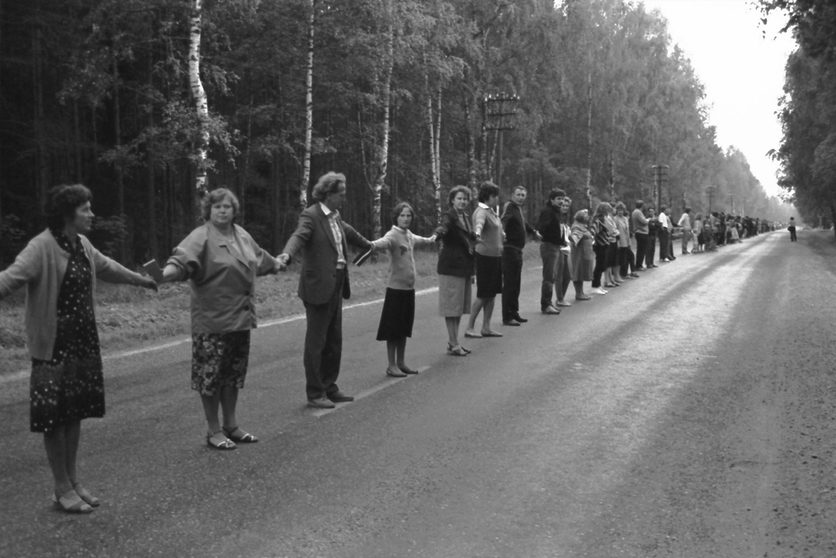
675 km
and every metre of it was a person…
On the twenty-third of August 1989, two million Estonians, Latvians and Lithuanians held hands in a line from Tallinn to Vilnius — six hundred and seventy-five kilometres, unbroken. They stood there for fifteen minutes. Within two years all three countries existed again.
Baltic Way, 23 Aug 1989: ~2 million people, 675 km chain across three states; independence by 1991.
06 / 08
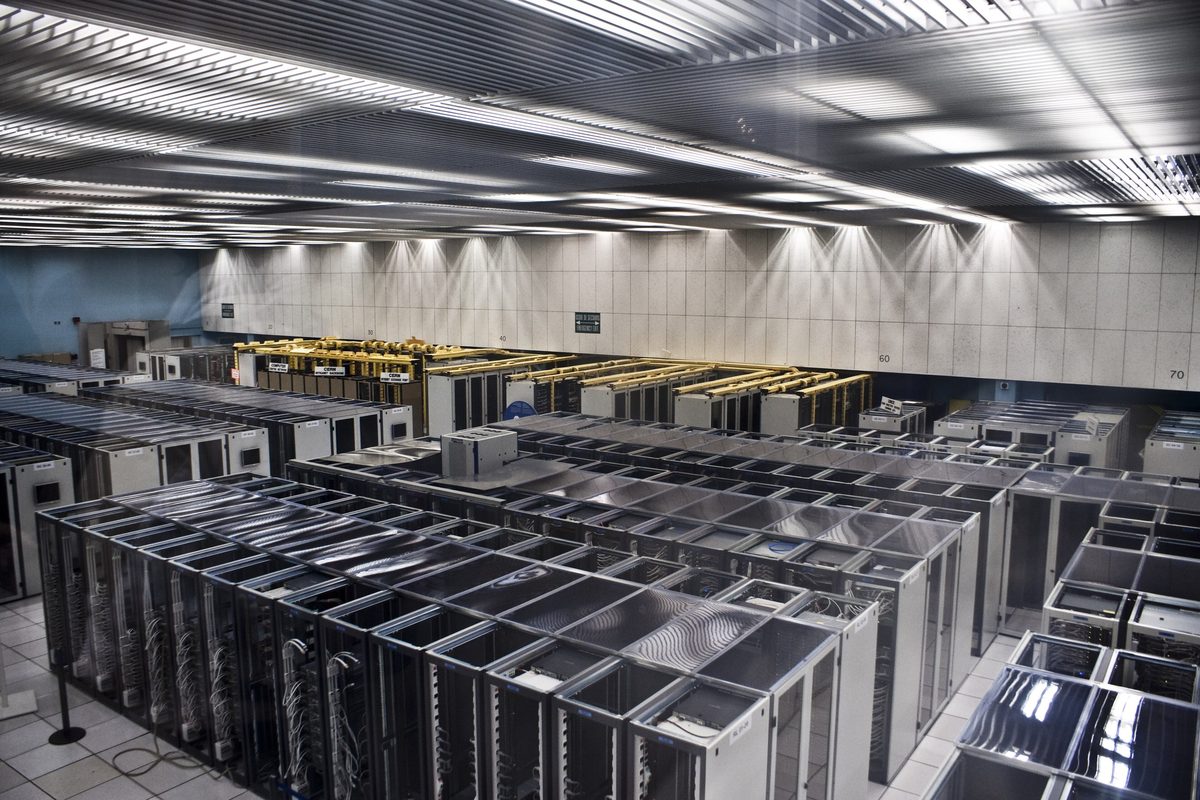
Then someone switched it off
April 2007, and the country went dark…
In 2007 a dispute over moving a Soviet war memorial was followed by weeks of coordinated attacks that took down Estonian banks, newspapers and ministries. It is widely treated as the first cyber campaign against an entire state. The most wired country in Europe was also the most exposed.
April-May 2007 DDoS attacks on Estonian banks, media, government; widely described as the first state-scale cyber campaign.
07 / 08
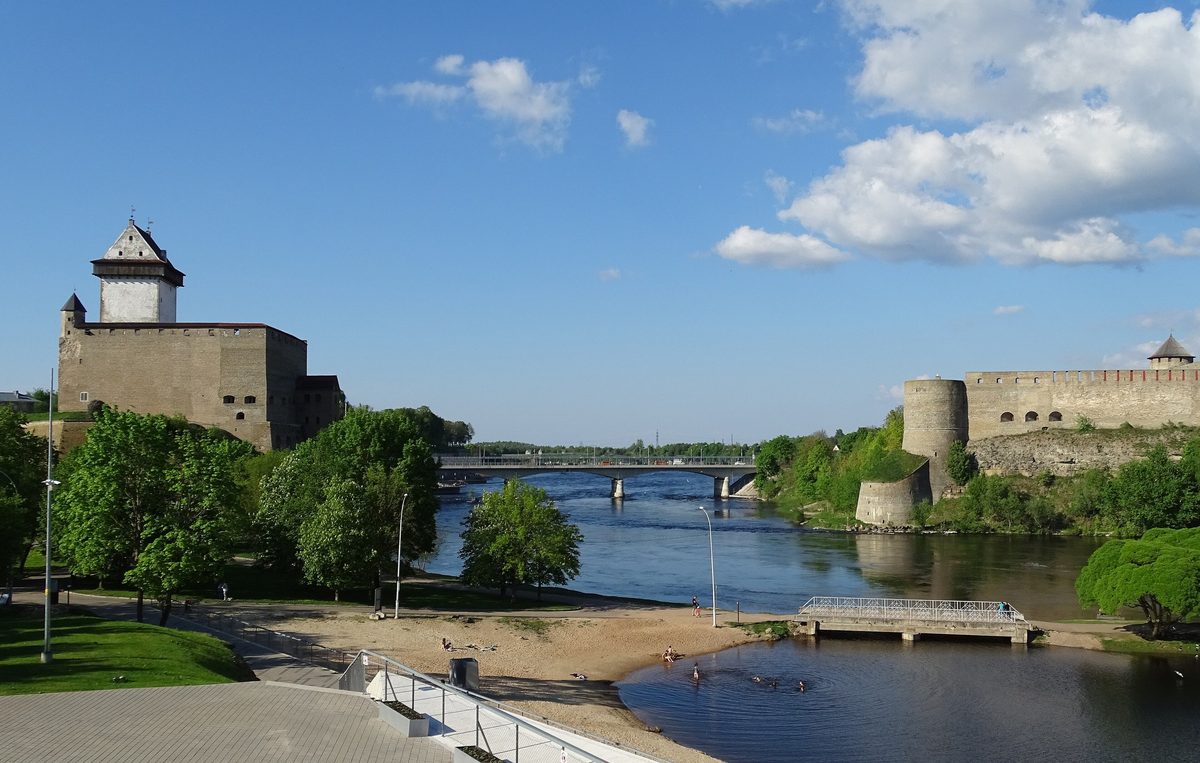
294 km
of border, and what is on the far side…
Estonia shares nearly three hundred kilometres of border with Russia. In Narva you can stand at the castle and see the Russian fortress across the river. Roughly a quarter of the population speaks Russian at home, and the country has spent thirty years working out what that means.
Estonia-Russia border ~294 km; Narva/Ivangorod face each other across the Narva river; Russian-speaking minority ~25%.
08 / 08
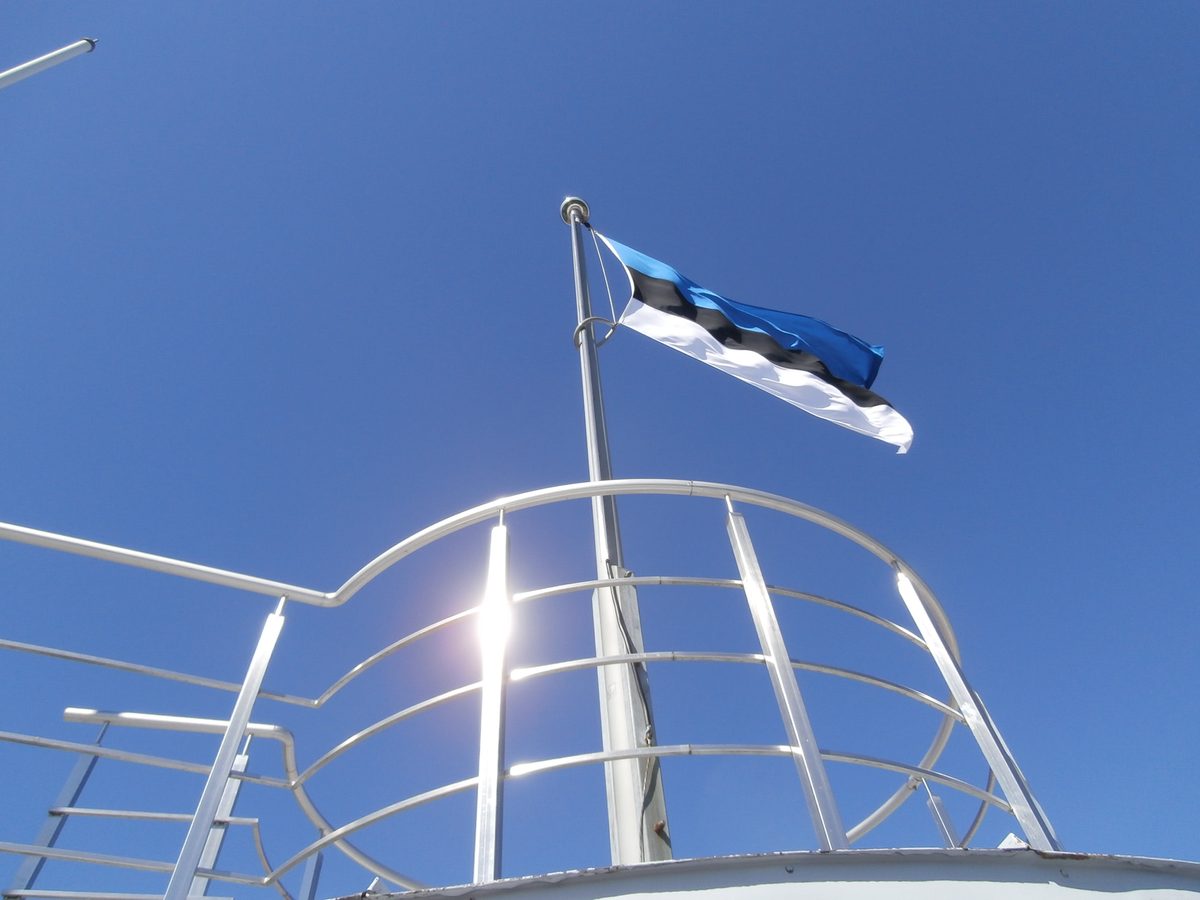
A small country that chose the future
what it actually proved…
A million and a third people, no oil, no leverage, a difficult neighbour. It could not out-arm anyone, so it out-built them — and it did the rebuilding in the language they had spent fifty years singing to keep.
Population ~1.37 million; post-1991 transition to digital state and EU/NATO membership.
Sources
- Estonia: 99% of public services available online 24/7; e-services span registration to voting.
- e-Residency launched 2014; 110,000+ e-residents from 170+ countries.
- Soviet annexation 1940; Nazi occupation 1941-44; Soviet rule to 1991; mass deportations.
- Laulupidu song festival tradition from 1869; the Singing Revolution, 1987-1991.
- Baltic Way, 23 Aug 1989: ~2 million people, 675 km chain across three states; independence by 1991.
- April-May 2007 DDoS attacks on Estonian banks, media, government; widely described as the first state-scale cyber campaign.
- Estonia-Russia border ~294 km; Narva/Ivangorod face each other across the Narva river; Russian-speaking minority ~25%.
- Population ~1.37 million; post-1991 transition to digital state and EU/NATO membership.
Image credits
- Tallinn-panorama-2011.jpg — acediscovery, CC BY 4.0 · Commons
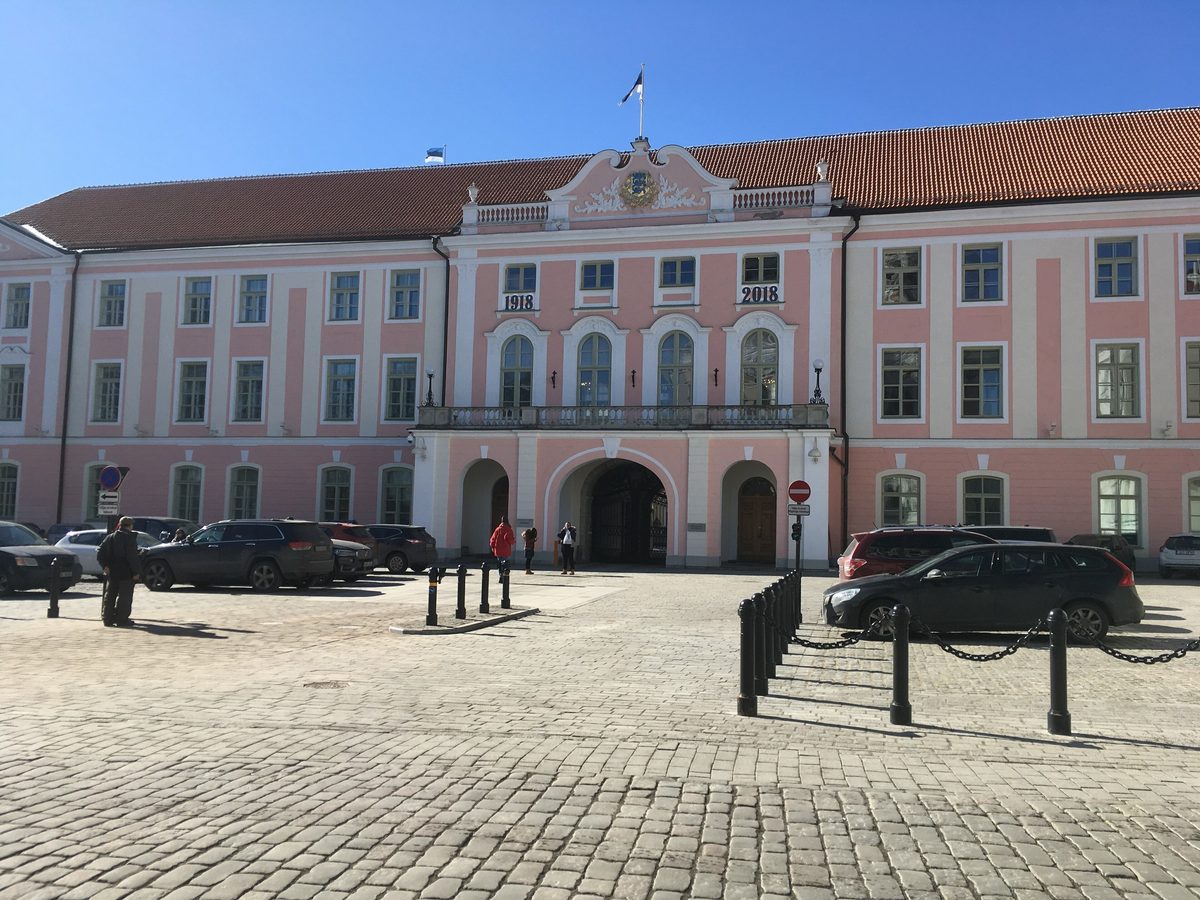
- Riigikogu in March 2018.jpg — Ypsilon from Finland, CC0 · Commons
- Estonian Digital Identity Card Issued to E-Resident - Issued 2022.jpg — Lamb104, CC BY-SA 4.0 · Commons
- Kommunismiohvritememoriaal.jpg — Carl.eryk, CC BY-SA 4.0 · Commons
- 150th Estonian Song Festival 28.jpg — Anastasia Lakhtikova, CC BY-SA 4.0 · Commons
- Baltic Way in Latvia between Cēsis and Valmiera.jpeg — Laimonis Stīpnieks, CC BY-SA 4.0 · Commons
- CERN Server 03.jpg — Florian Hirzinger - www.fh-ap.com, CC BY-SA 3.0 · Commons
- Narva Hermann Castle and Ivangorod Fortress.jpg — Ad Meskens, CC BY-SA 4.0 · Commons
- The Estonian Flag flying on the Top of the Tall Hermann Tower Tallinn 4 June 2015.JPG — Pjotr Mahhonin, CC BY-SA 4.0 · Commons