Nobel Laureates · Nº 07
Graphene
Physics had proved it could not exist. They found it with sticky tape, on a Friday night.
01 / 08
1966
and a proof that closed the question…
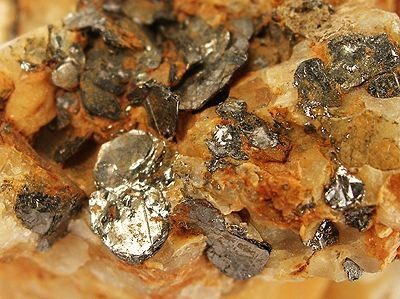
Theory said a crystal one atom thick could not exist. Above absolute zero the atoms' own vibration would shake a flat sheet apart before it could hold together. The mathematics was sound, so for forty years almost nobody went looking.
Mermin–Wagner theorem (1966) and earlier Landau–Peierls arguments: strictly two-dimensional crystals held to be thermodynamically unstable at finite temperature.
02 / 08
Friday nights
the evening the lab did nothing useful…
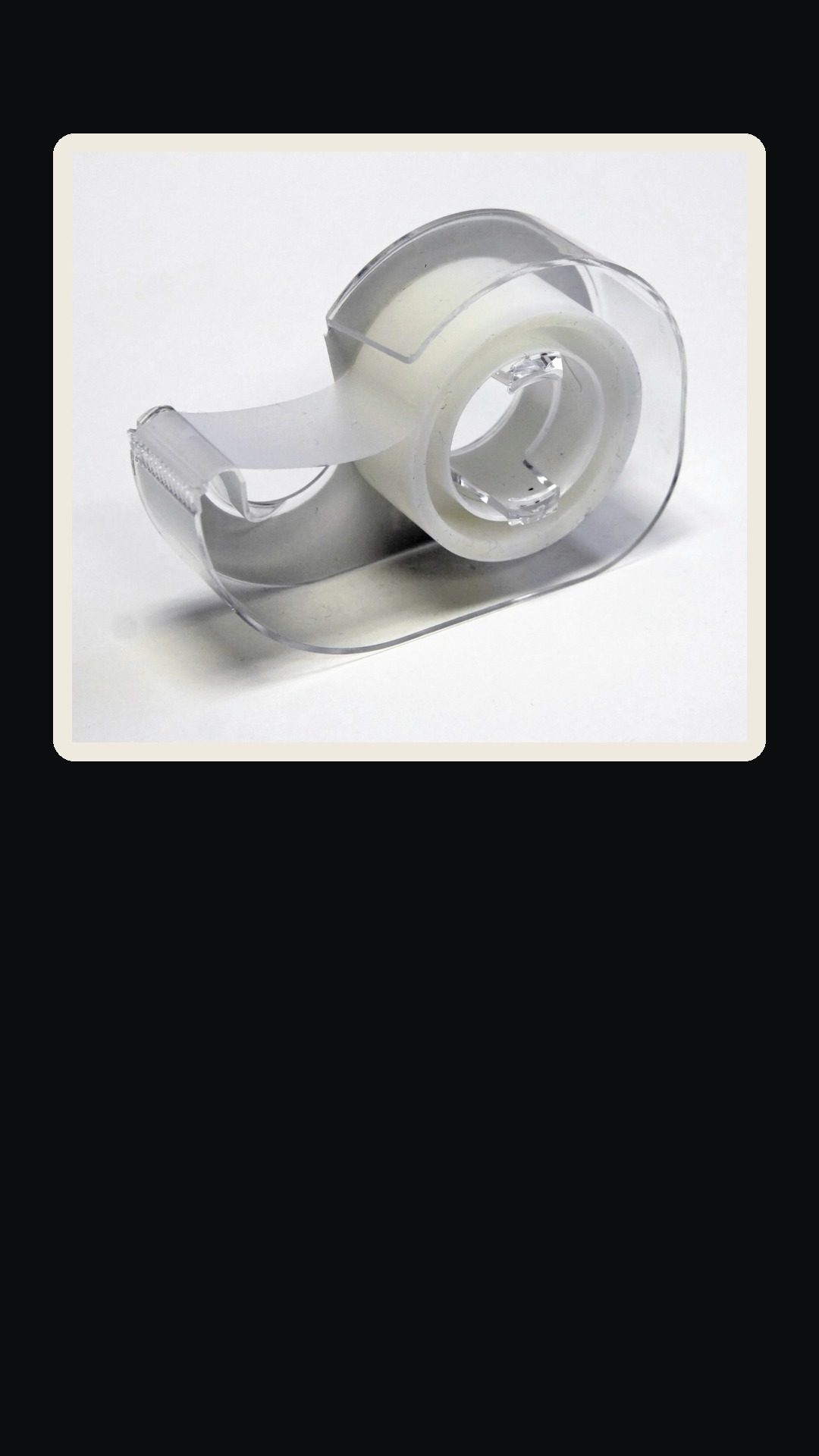
Andre Geim's group in Manchester kept one evening a week for experiments with no purpose and no funding attached. Meanwhile a colleague was cleaning a lump of graphite with sticky tape, and throwing the used pieces away.
Geim's lab ran 'Friday night experiments' — unfunded exploratory work; graphite samples were routinely cleaned with adhesive tape before scanning-probe measurements.
03 / 08
2004
they looked at what was on the tape…
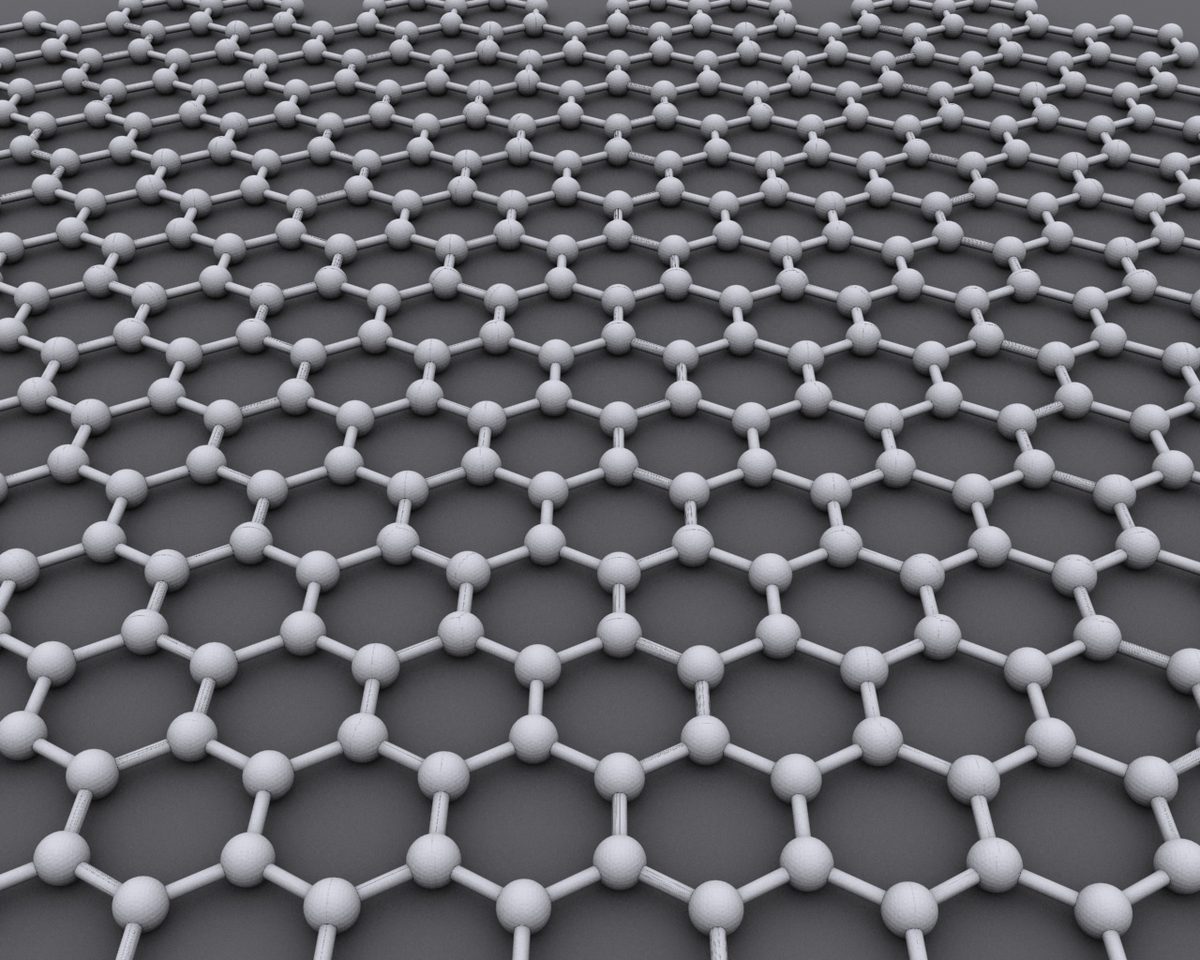
Peel, fold, peel again. What was left on the adhesive was a fleck of carbon one atom thick — three million of them stacked would come to a single millimetre. The paper went to Science that October.
Novoselov, Geim et al., 'Electric Field Effect in Atomically Thin Carbon Films', Science 306:666–669, October 2004. Monolayer thickness ~0.34 nm.
04 / 08
2.3% of light
and one number hiding underneath it…
A single sheet is visible to the naked eye, because it absorbs two point three per cent of the light passing through. That figure turns out to be pi times the fine structure constant — one of the bare numbers the universe runs on. You can see it by holding the thing up.
Nair, Blake, Grigorenko, Novoselov, Booth, Stauber, Peres, Geim, 'Fine Structure Constant Defines Visual Transparency of Graphene', Science 320:1308 (2008). Opacity = πα ≈ 2.3%.
05 / 08
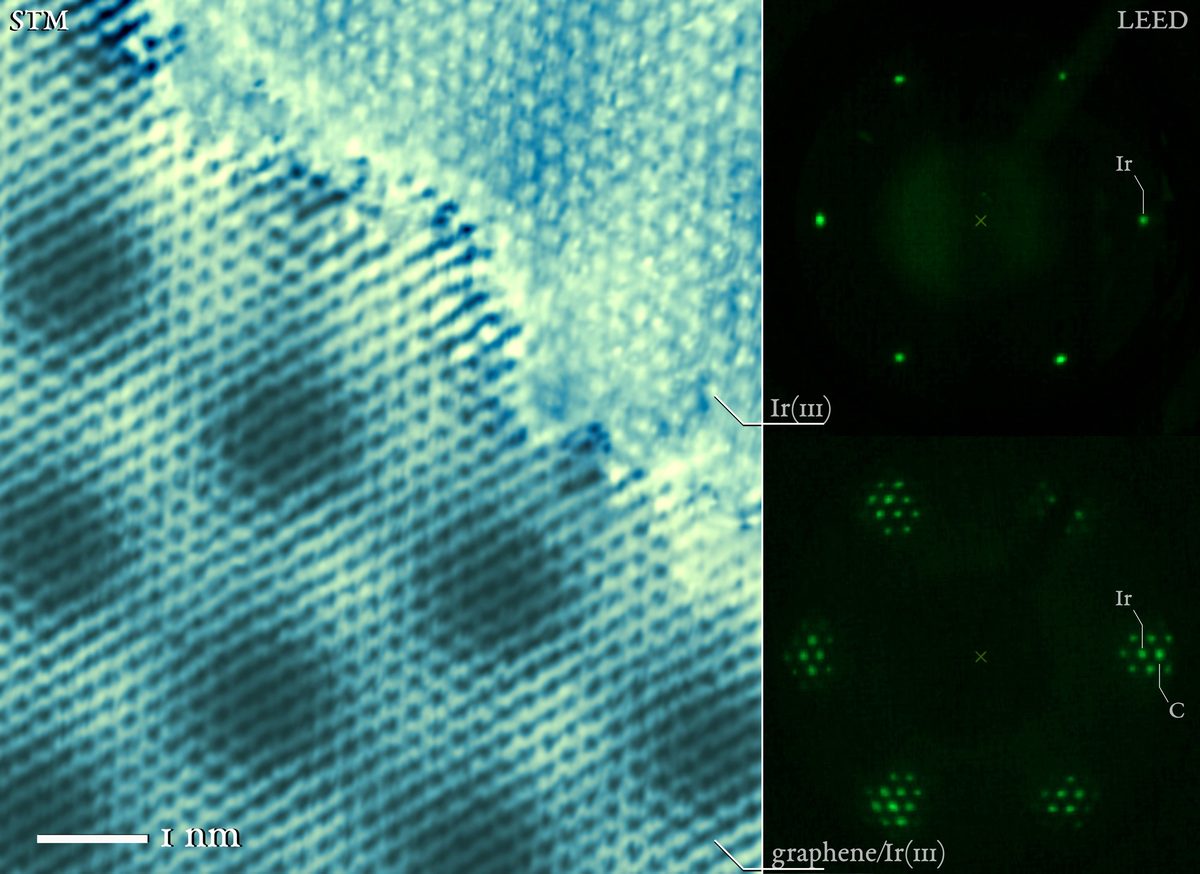
A cat on an invisible hammock
what it takes to tear it…
It is the strongest material anyone has measured, roughly two hundred times the strength of structural steel. A sheet stretched over the top of a mug — one atom thick, and completely invisible — would take the weight of a cat before it gave way.
Lee, Wei, Kysar, Hone, Science 321:385 (2008): intrinsic breaking strength 42 N/m, ~130 GPa, ~200× structural steel.
06 / 08
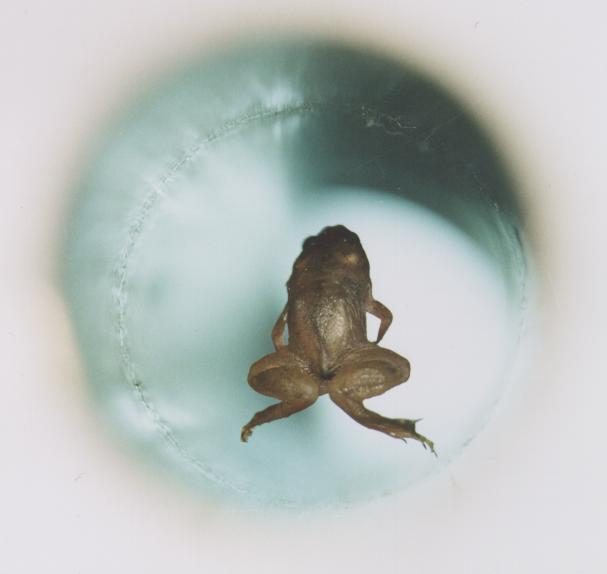
2010
six years later, and there was a frog…
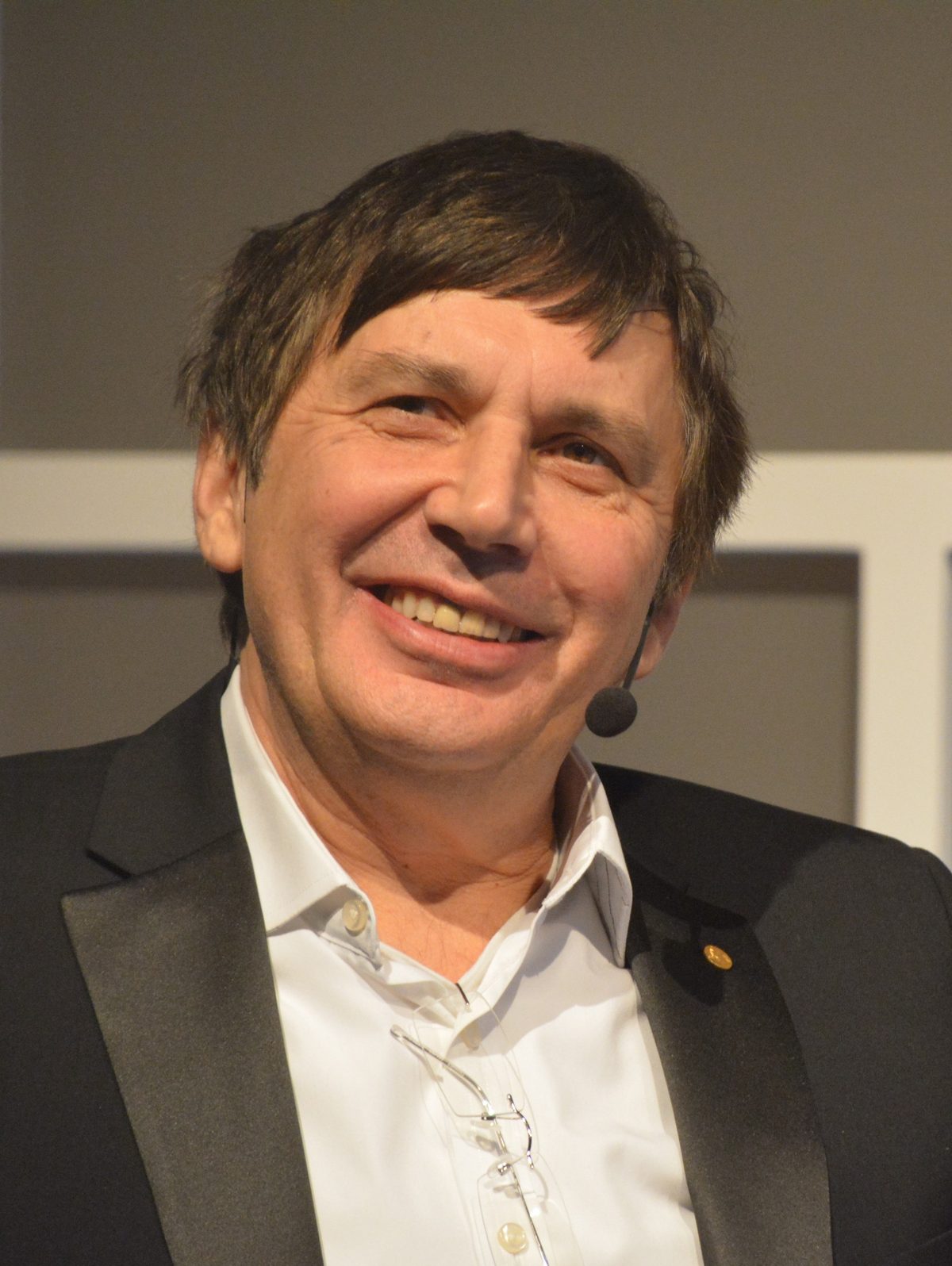
The Nobel Prize in Physics, six years after the paper — unusually fast. Geim had already collected an Ig Nobel for magnetically levitating a live frog. He remains the only person holding both.
Nobel Prize in Physics 2010, Geim and Novoselov. Ig Nobel Prize in Physics 2000, Geim with Michael Berry, for diamagnetic levitation of a frog.
07 / 08
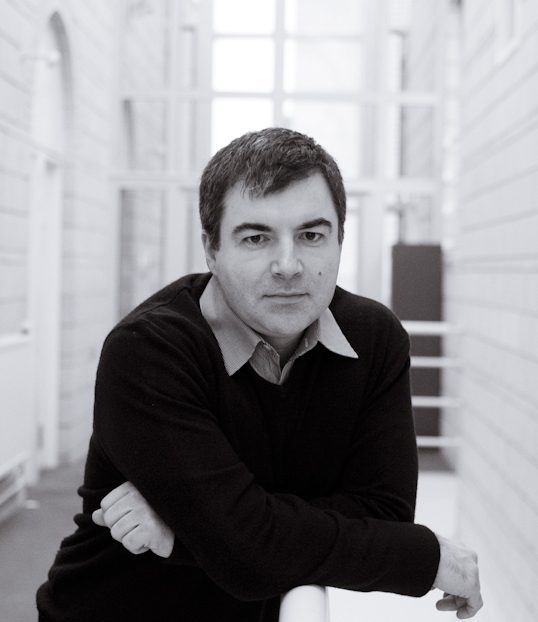
Others had been there already
and one of them wrote to Stockholm…
Hans-Peter Boehm had made vanishingly thin carbon films in 1962, and later gave graphene its name. Others had grown it on silicon carbide. After the prize, one of them sent the committee a list of errors in its own background document, and the committee amended it.
Boehm et al. 1962, thin carbon foils; 'graphene' proposed in the 1986 IUPAC nomenclature recommendation. Walter de Heer's letter to the Nobel Committee, 17 Nov 2010; the web version of the scientific background document was subsequently amended.
08 / 08
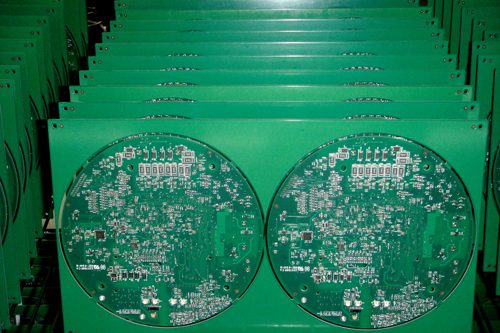
50,000 patents
and the thing it still cannot do…
Graphene has no bandgap, so a graphene transistor cannot be switched fully off, and it has never replaced silicon. Tens of thousands of patents, very few products. It went into tyres and coatings and battery electrodes and the heat spreader in your phone. Useful. Not the revolution.
Zero bandgap prevents digital logic without engineering a gap; >50,000 graphene patents filed 2004–2020 with a small fraction at commercial scale. Current uses: composites, coatings, elastomers, thermal spreaders, battery additives.
Sources
- Mermin–Wagner theorem (1966) and earlier Landau–Peierls arguments: strictly two-dimensional crystals held to be thermodynamically unstable at finite temperature.
- Geim's lab ran 'Friday night experiments' — unfunded exploratory work; graphite samples were routinely cleaned with adhesive tape before scanning-probe measurements.
- Novoselov, Geim et al., 'Electric Field Effect in Atomically Thin Carbon Films', Science 306:666–669, October 2004. Monolayer thickness ~0.34 nm.
- Nair, Blake, Grigorenko, Novoselov, Booth, Stauber, Peres, Geim, 'Fine Structure Constant Defines Visual Transparency of Graphene', Science 320:1308 (2008). Opacity = πα ≈ 2.3%.
- Lee, Wei, Kysar, Hone, Science 321:385 (2008): intrinsic breaking strength 42 N/m, ~130 GPa, ~200× structural steel.
- Nobel Prize in Physics 2010, Geim and Novoselov. Ig Nobel Prize in Physics 2000, Geim with Michael Berry, for diamagnetic levitation of a frog.
- Boehm et al. 1962, thin carbon foils; 'graphene' proposed in the 1986 IUPAC nomenclature recommendation. Walter de Heer's letter to the Nobel Committee, 17 Nov 2010; the web version of the scientific background document was subsequently amended.
- Zero bandgap prevents digital logic without engineering a gap; >50,000 graphene patents filed 2004–2020 with a small fraction at commercial scale. Current uses: composites, coatings, elastomers, thermal spreaders, battery additives.
Image credits
- Pencils, DM, 12.jpg — Kent Madsen, CC BY-SA 2.0 · Commons
- Graphite-208905.jpg — Robert M. Lavinsky, CC BY-SA 3.0 · Commons
- Adhesive tapes clear.JPG — BarberJP, Public domain · Commons
- Graphen.jpg — AlexanderAlUS, CC BY-SA 3.0 · Commons
- Andre Geim 10.jpg — Bengt Oberger, CC BY-SA 4.0 · Commons
- Moiré superstructure of graphene on iridium (111) surface - STM and LEED characterization.svg — Ponor, CC BY-SA 4.0 · Commons
- Frog diamagnetic levitation.jpg — Lijnis Nelemans, CC BY-SA 3.0 · Commons
- Konstantin Novoselov portrait.jpg — Zp2010, CC BY-SA 3.0 · Commons
- Electronic Printed Circuit Board.jpg — JayHand, CC BY-SA 3.0 · Commons


_surface_-_STM_and_LEED_characterization.svg)


More from Nobel Laureates
Nº 01
Auctions
Two economists who didn't study a market. They built one.
Nº 02
Equilibrium
He proved everyone can be doing their best, and everyone can be losing.
Nº 03
Commons
Economics said shared land must die. She went and looked.
Nº 04
Ulcers
Every doctor knew nothing survives stomach acid. One doctor drank the proof.
Nº 05
CRISPR
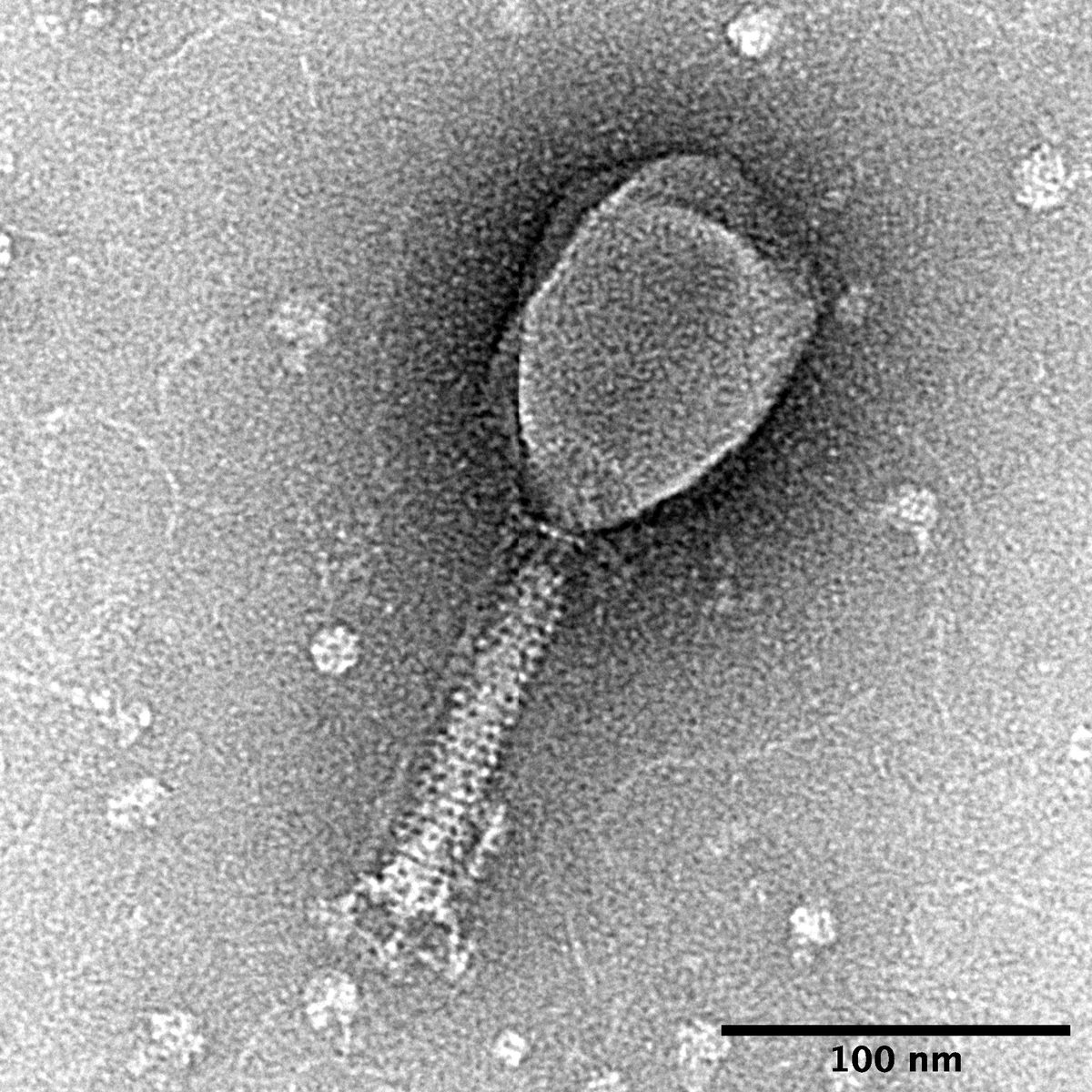
A footnote in 1987. Rejected by four journals. Now it cures people.
Nº 06
Wormwood
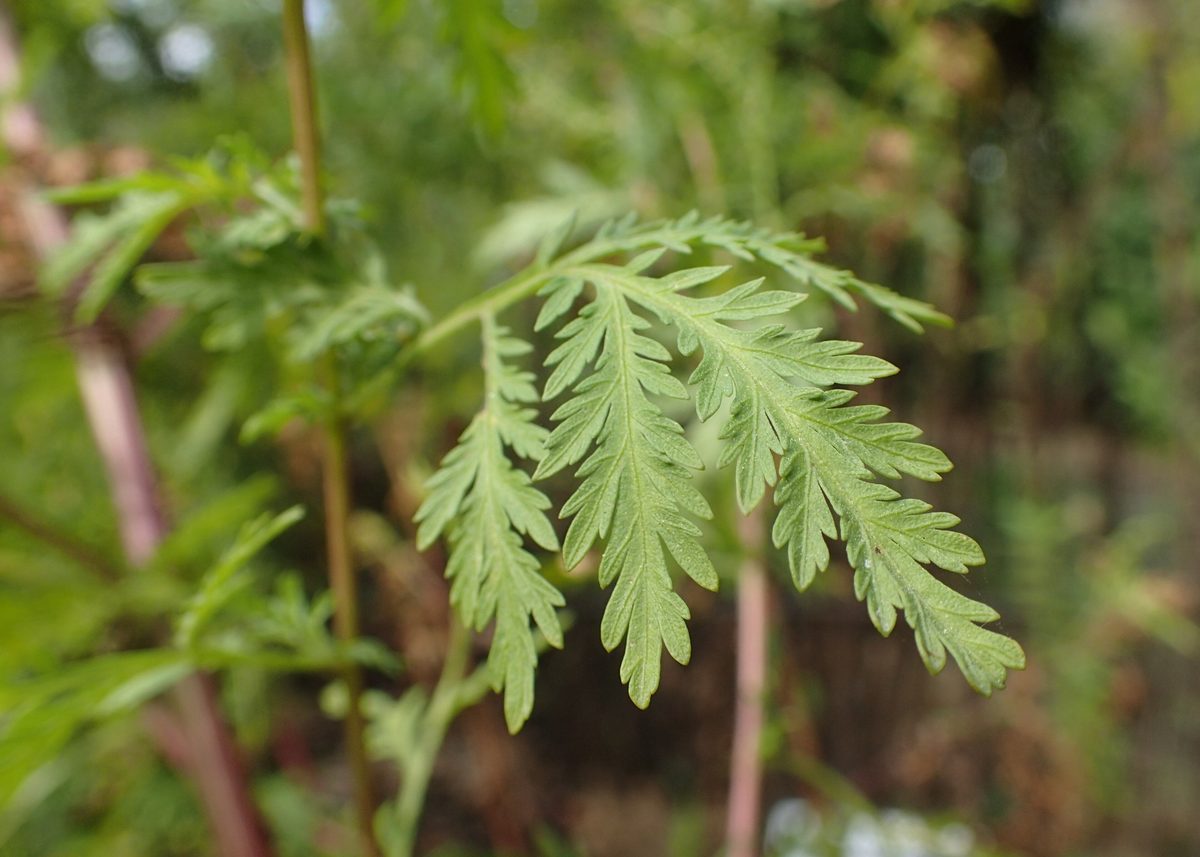
A secret military project. A recipe from the year 340. She took the first dose herself.