Periodic Tales · Nº 02
Hydrogen
The first atom there ever was. Nine out of ten still are.
01 / 08
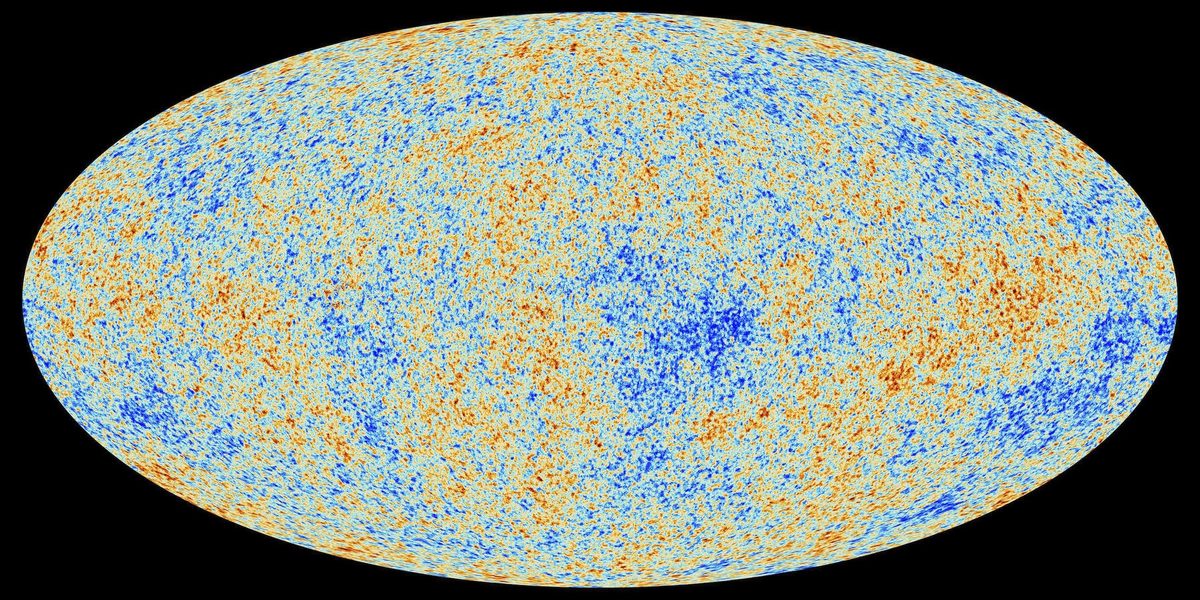
380,000 years
before this, there were no atoms at all…
For its first three hundred and eighty thousand years the universe was too hot for an electron to stay anywhere. When it cooled, protons caught electrons, and the first atoms were hydrogen. That light is still arriving. Nine atoms in ten are still hydrogen.
Recombination ~380,000 years after the Big Bang at ~3,000 K, releasing the cosmic microwave background. Hydrogen ≈90% of atoms and ≈75% of baryonic mass in the observable universe.
02 / 08
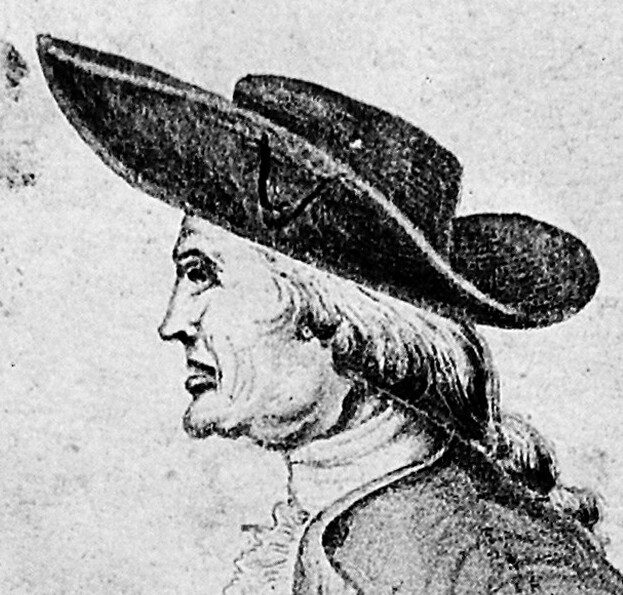
Inflammable air
he burned it and got water back…
Henry Cavendish isolated the gas in 1766 and called it inflammable air. Burn it and what condenses on the glass is water — nothing else. Lavoisier gave it the name we use, from the Greek: the thing that makes water.
Cavendish isolated hydrogen in 1766 ('inflammable air'); Lavoisier named it hydrogène (water-former) in 1783 after demonstrating water as its combustion product.
03 / 08
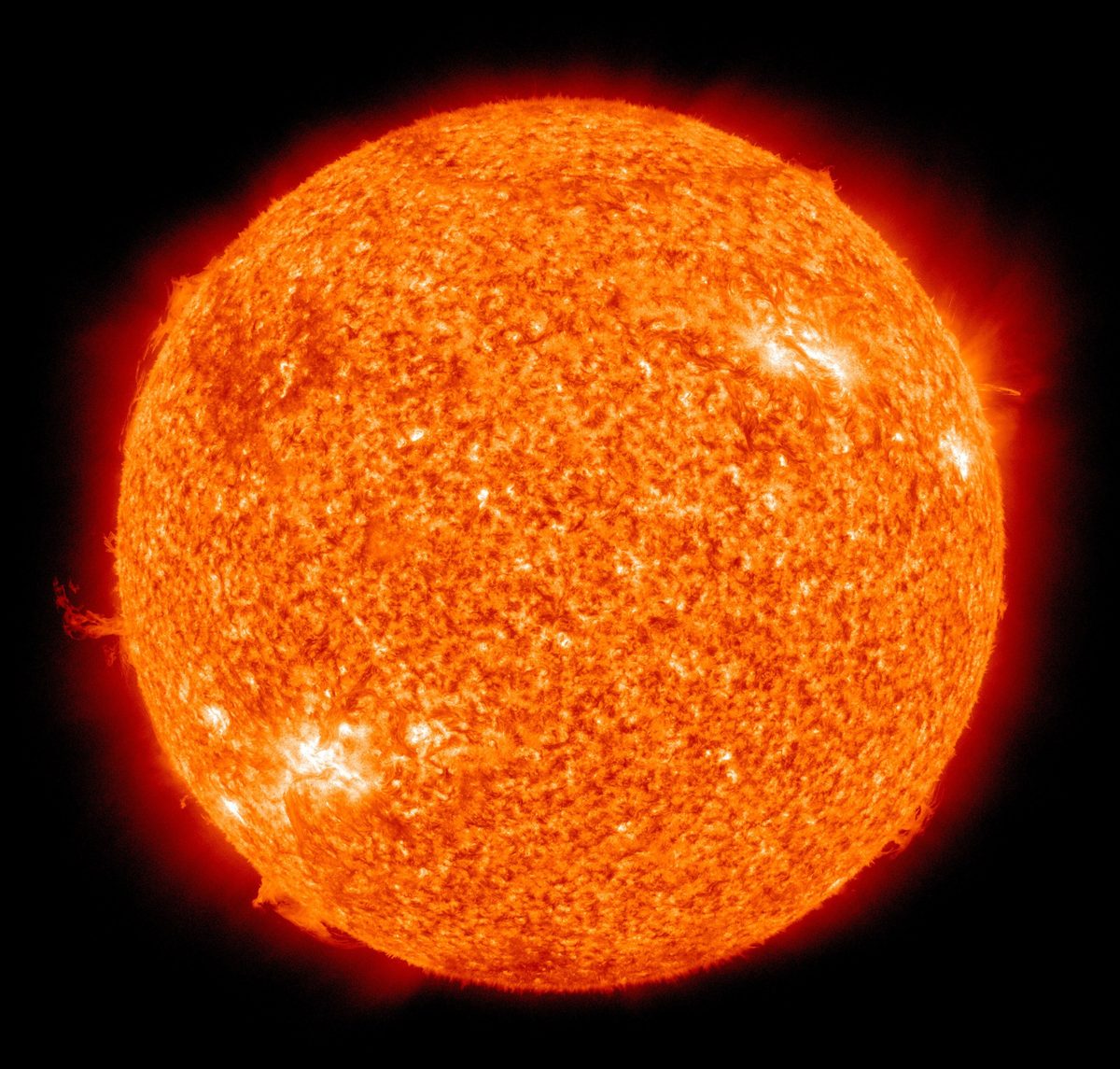
600M tonnes a second
and four million of them never arrive…
The Sun fuses six hundred million tonnes of hydrogen every second, and gets five hundred and ninety-six million tonnes of helium out. The missing four million tonnes are not lost. They leave as light. Some of it lands on your face.
Solar proton-proton chain: ~600 Mt hydrogen → ~596 Mt helium per second; ~4 Mt converted to energy (0.7% of mass) per E=mc².
04 / 08
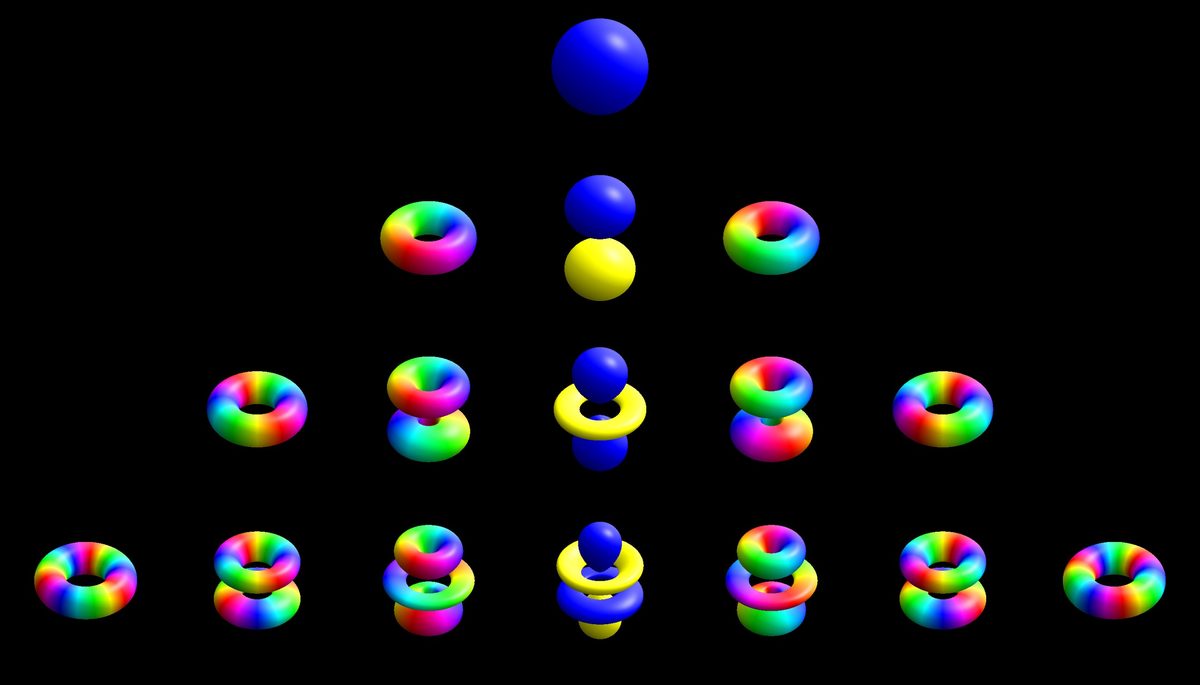
The only one we can solve
one proton, one electron, and an exact answer…
Hydrogen is the only atom whose quantum equations can be solved exactly, on paper, with no approximation. Add a second electron and it becomes impossible — every other element in the table is a very good estimate.
The Schrödinger equation has a closed-form analytic solution only for one-electron systems; all multi-electron atoms require numerical or approximate methods.
05 / 08
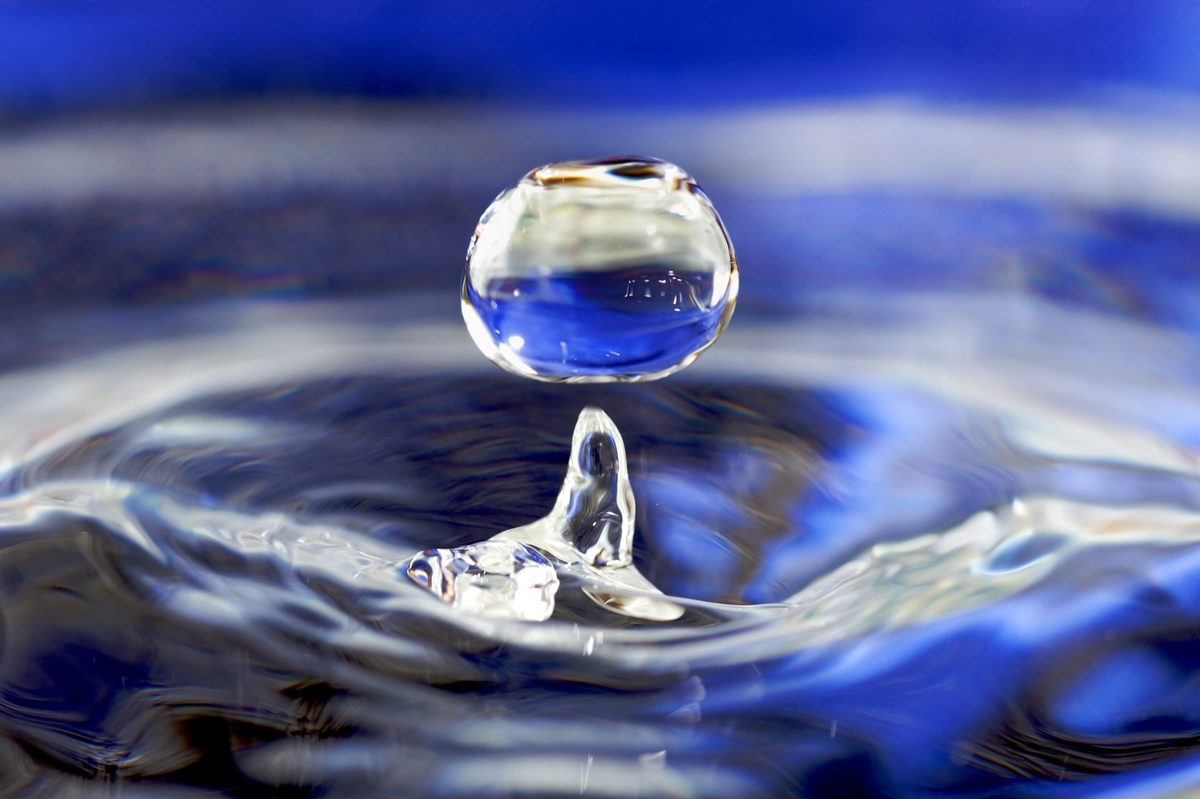
62% of you
counted as atoms, not as weight…
Sixty-two per cent of the atoms in your body are hydrogen, mostly as water. They weigh almost nothing — about a tenth of you. Every one was made in the first minutes after the Big Bang.
Hydrogen ≈62% of atoms in the human body but only ~10% of body mass. Hydrogen nuclei formed during Big Bang nucleosynthesis.
06 / 08
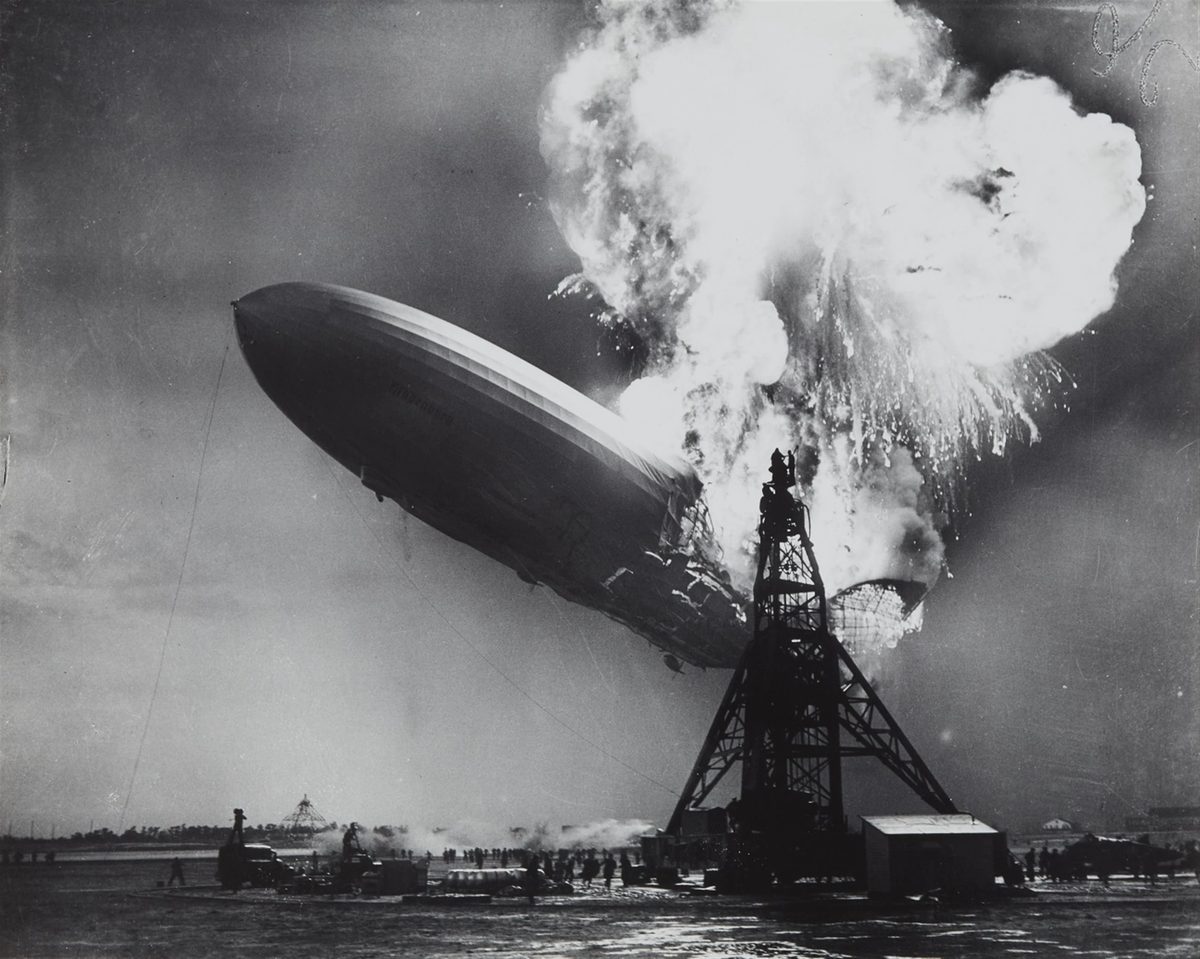
Most of them walked away
the part of the story nobody remembers…
America had the world's only helium and banned its export, so the Hindenburg flew on hydrogen instead. When it caught fire at Lakehurst in 1937 the flames went straight up, because hydrogen is too light to pool. Sixty-two of the ninety-seven people on board walked away.
US Helium Control Act 1927 barred helium export, obliging German airships to use hydrogen. Hindenburg burned at Lakehurst, NJ, 6 May 1937: 35 of 97 aboard died plus one ground crewman; 62 survived. Hydrogen's buoyancy carried the fire upward.
07 / 08
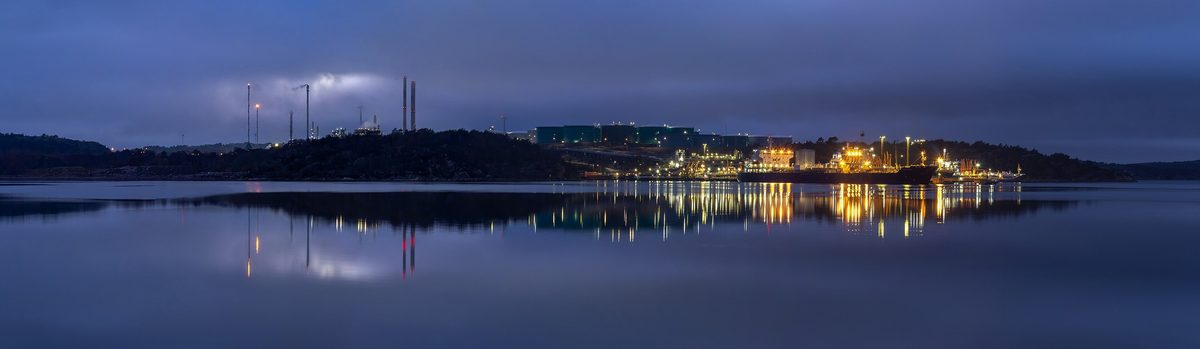
95%
of it comes from the thing it is meant to replace…
Hydrogen is sold as the clean fuel, and burning it does produce only water. Making it is the problem. About ninety-five per cent is stripped out of fossil gas, throwing off nine to twelve tonnes of carbon dioxide per tonne. Under one per cent is made cleanly.
Steam methane reforming produces ~95% of commercial hydrogen, emitting ~9–12 t CO₂ per t H₂. IEA: low-emissions hydrogen was under 1% of global production as of 2025.
08 / 08
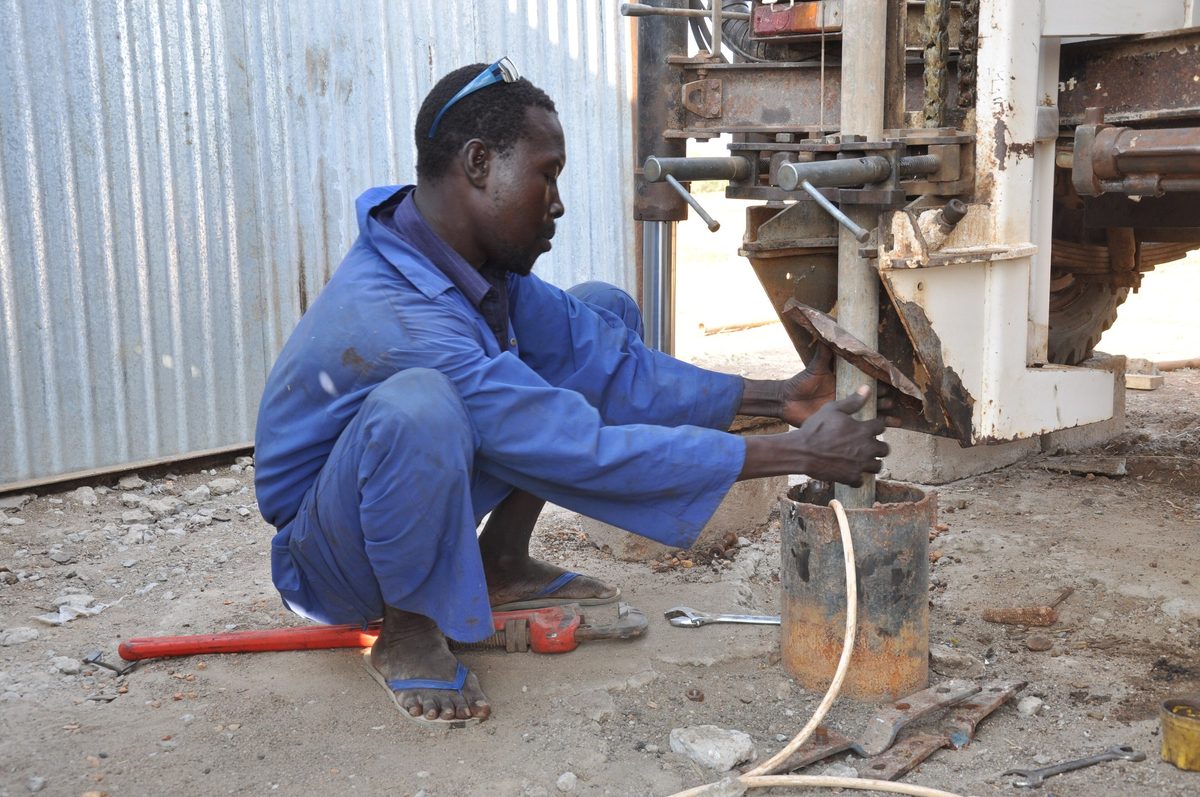
Someone lit a cigarette
Mali, 1987, over an abandoned well…
A driller in Bourakébougou hit a dry well, and it was capped and forgotten. Years later a man leaned over the borehole with a cigarette and the air caught fire. What was coming up was hydrogen, almost pure, made by the rock. Nobody had thought to look.
Bourakébougou, Mali: a 1987 borehole later found to be venting ~98% pure natural ('white') hydrogen, generated geologically; now the subject of active exploration worldwide.
Sources
- Recombination ~380,000 years after the Big Bang at ~3,000 K, releasing the cosmic microwave background. Hydrogen ≈90% of atoms and ≈75% of baryonic mass in the observable universe.
- Cavendish isolated hydrogen in 1766 ('inflammable air'); Lavoisier named it hydrogène (water-former) in 1783 after demonstrating water as its combustion product.
- Solar proton-proton chain: ~600 Mt hydrogen → ~596 Mt helium per second; ~4 Mt converted to energy (0.7% of mass) per E=mc².
- The Schrödinger equation has a closed-form analytic solution only for one-electron systems; all multi-electron atoms require numerical or approximate methods.
- Hydrogen ≈62% of atoms in the human body but only ~10% of body mass. Hydrogen nuclei formed during Big Bang nucleosynthesis.
- US Helium Control Act 1927 barred helium export, obliging German airships to use hydrogen. Hindenburg burned at Lakehurst, NJ, 6 May 1937: 35 of 97 aboard died plus one ground crewman; 62 survived. Hydrogen's buoyancy carried the fire upward.
- Steam methane reforming produces ~95% of commercial hydrogen, emitting ~9–12 t CO₂ per t H₂. IEA: low-emissions hydrogen was under 1% of global production as of 2025.
- Bourakébougou, Mali: a 1987 borehole later found to be venting ~98% pure natural ('white') hydrogen, generated geologically; now the subject of active exploration worldwide.
Image credits
- 035 Vertical panorama of the Milky Way during Perseids seen from Oeschinensee Photo by Giles Laurent.jpg — Giles Laurent, CC BY-SA 4.0 · Commons
- Cosmic Microwave Background (CMB).jpeg — ESA and the Planck Collaboration, CC BY 4.0 · Commons
- Henry Cavendish, Chemist. 1731-1810.jpg — Unknown, CC BY 4.0 · Commons
- The Sun by the Atmospheric Imaging Assembly of NASA's Solar Dynamics Observatory - 20100819.jpg — NASA/SDO (AIA), Public domain · Commons
- Atomic orbitals spdf m-eigenstates.png — Geek3, CC BY-SA 4.0 · Commons
- Water drop 001.jpg — José Manuel Suárez from Spain, CC BY 2.0 · Commons
- Hindenburg disaster.jpg — Sam Shere, Public domain · Commons
- Blue hour fog over Preemraff oil refinery by Brofjorden.jpg — W.carter, CC BY-SA 4.0 · Commons
- Drilling for clean water (7534901370).jpg — Oxfam East Africa, CC BY 2.0 · Commons

.jpeg)


.jpg)
More from Periodic Tales
Nº 01
Phosphorus
Element 15. It builds every living thing, and it burns everything it touches.
Nº 03
Helium
Found in the Sun twenty-seven years before anyone found it on Earth.
Nº 04
Lithium
Third element ever made. In your phone, in the bomb, and in the medicine cabinet.
Nº 05
Beryllium
Light enough to fly a space telescope, sweet enough to taste, and one of the deadliest metals to breathe.
Nº 06
Boron
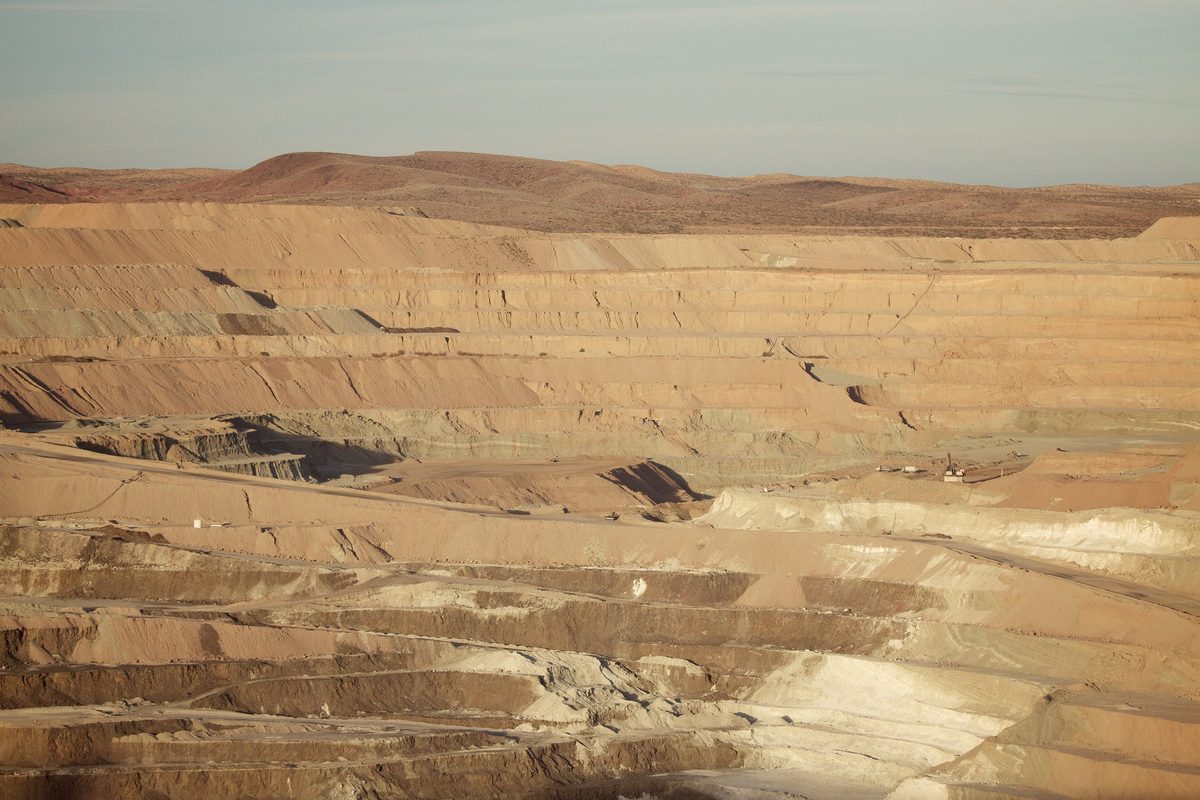
Made only by cosmic rays, then hidden everywhere: in reactor rods, bulletproof plates, and every computer chip.
Nº 07
Carbon
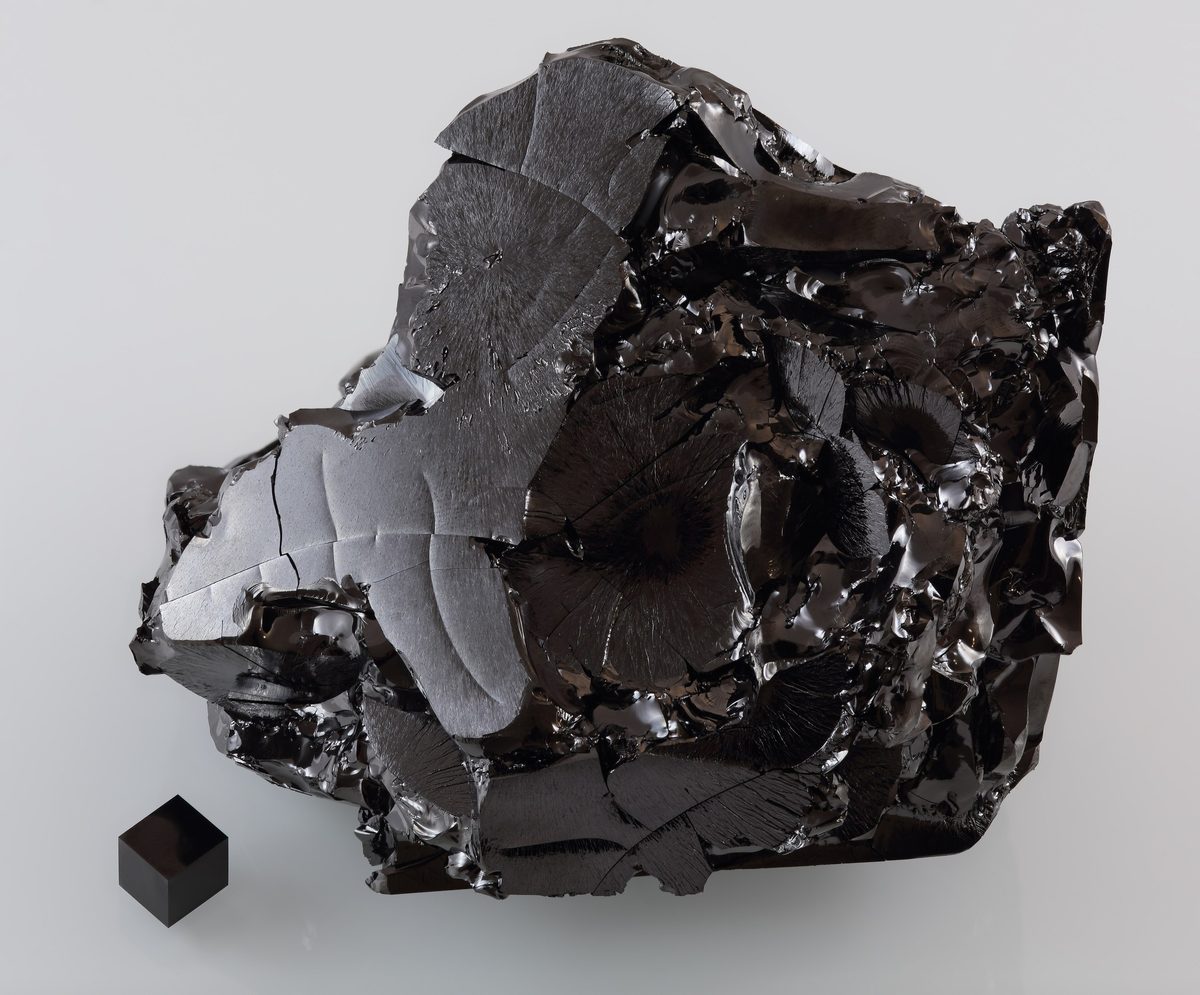
You are 18% carbon — the same element as the diamond, the pencil, a silent killer, and the blackest black ever made.