Periodic Tales · Nº 04
Lithium
Third element ever made. In your phone, in the bomb, and in the medicine cabinet.
01 / 08
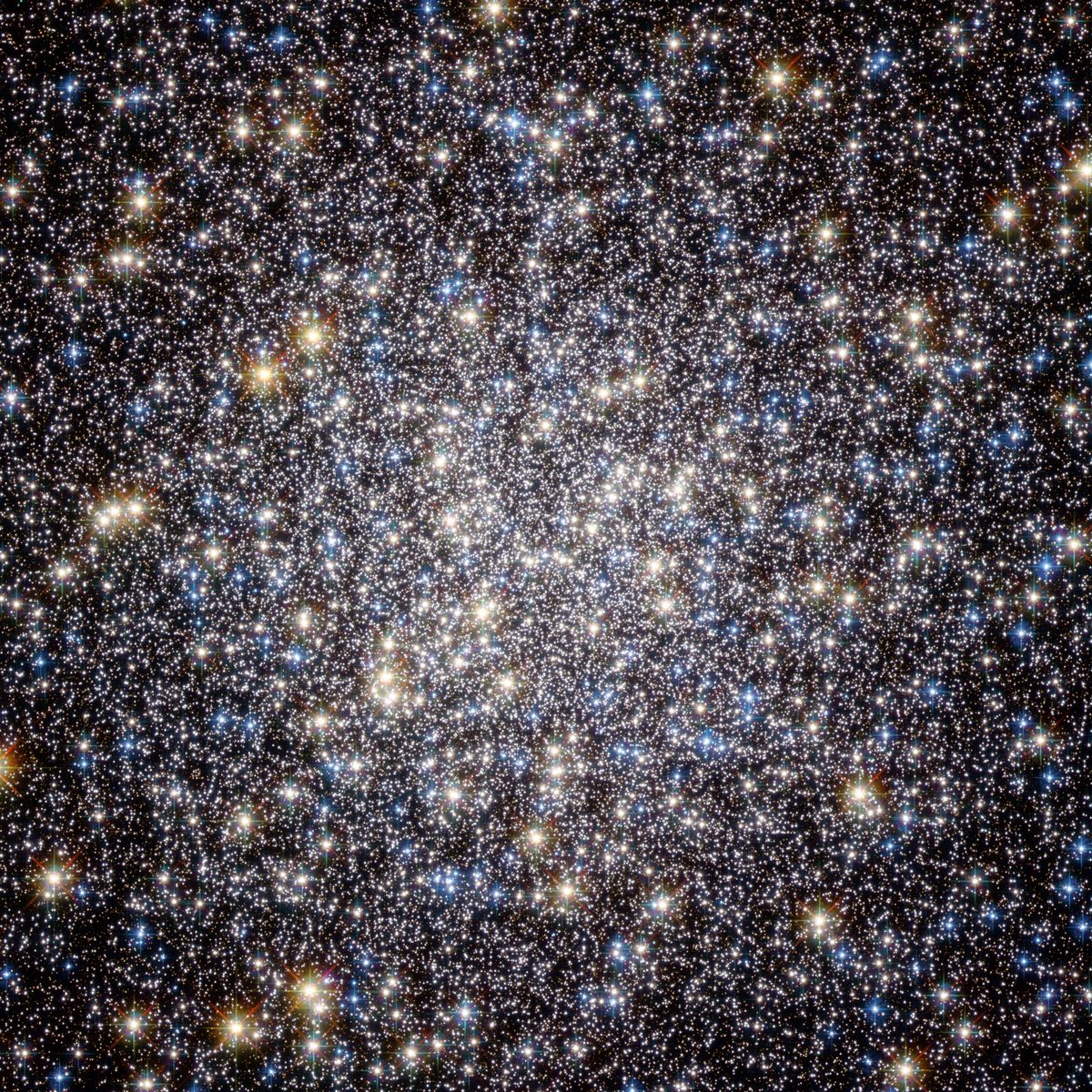
3× too little
and nobody can find the rest…
Lithium was made in the Big Bang alongside hydrogen and helium, and we can calculate how much there should be. Then we look at the oldest stars and find a third of it. Only lithium is missing, and nobody knows why.
The cosmological lithium problem: Big Bang nucleosynthesis over-predicts primordial Li-7 by a factor of ~3–3.5 relative to observations in metal-poor halo stars, while D and He-4 predictions match. Unresolved.
02 / 08
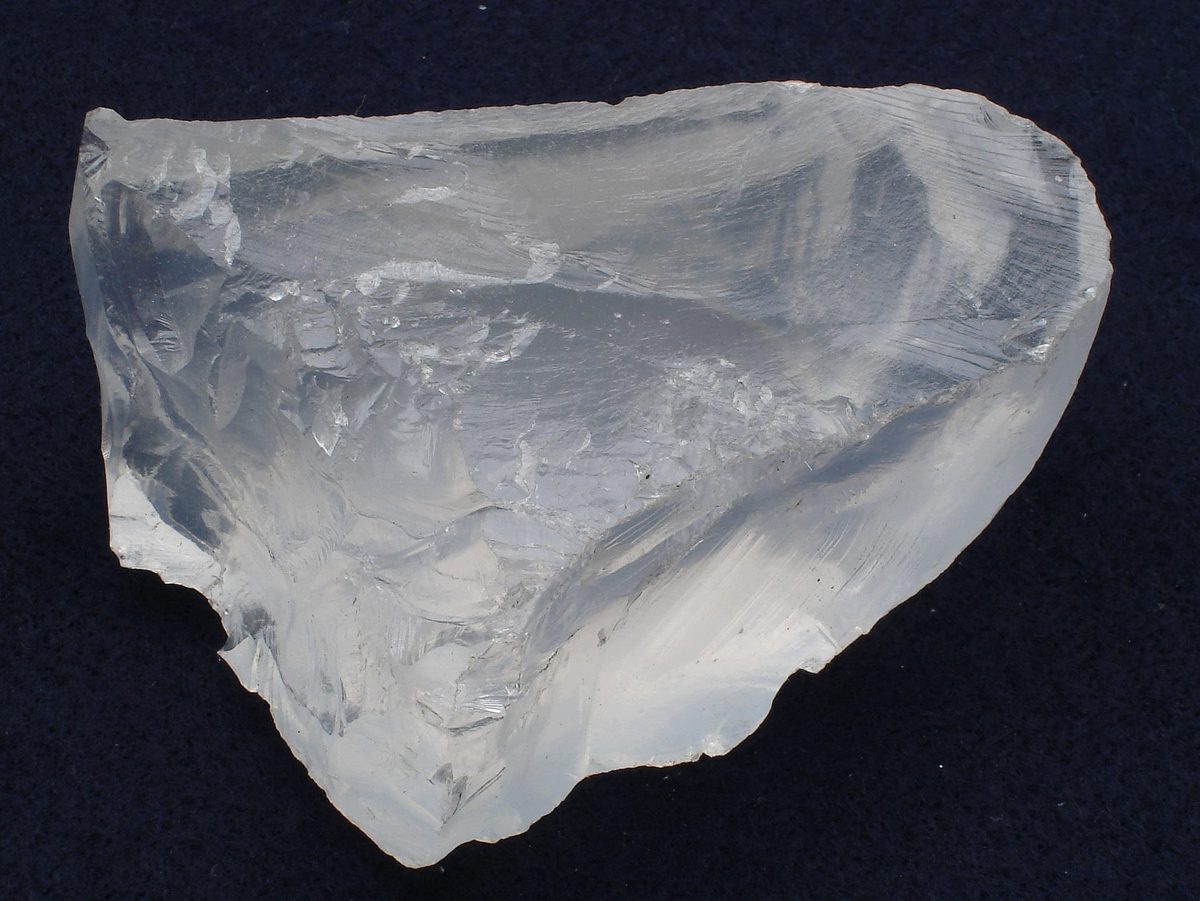
Named after stone
because of where it was not found…
Johan Arfwedson pulled it out of a mineral on a Swedish island in 1817. The other alkali metals came from plant ash, so this one was named for rock — lithos. It floats on water, burns crimson, and cuts with a knife.
Arfwedson identified lithium in petalite from Utö, Sweden, 1817; named from Greek lithos (stone) as it derived from mineral rather than plant sources. Density 0.534 g/cm³, the least dense solid element.
03 / 08

1949
a shed, some guinea pigs, and a wrong idea…
John Cade was testing whether something in manic patients' urine was toxic. He needed a soluble salt, so he used lithium urate — and the guinea pigs went calm. His reasoning was wrong. He took a dose himself, then gave it to patients. The first drug that ever worked on mania.
Cade, 'Lithium salts in the treatment of psychotic excitement', Medical Journal of Australia, 1949. He self-administered lithium before trialling it on patients. His uric-acid hypothesis was incorrect.
04 / 08
It was in the lemonade
before anyone knew what it did…
The drink we call 7Up launched in 1929 as Bib-Label Lithiated Lemon-Lime Soda. The lithiated part was not marketing. There was lithium citrate in it, until America banned lithium in soft drinks in 1948.
7Up launched 1929 as 'Bib-Label Lithiated Lemon-Lime Soda' containing lithium citrate; lithium was banned from US soft drinks in 1948 following overdose cases from multiple sources.
05 / 08
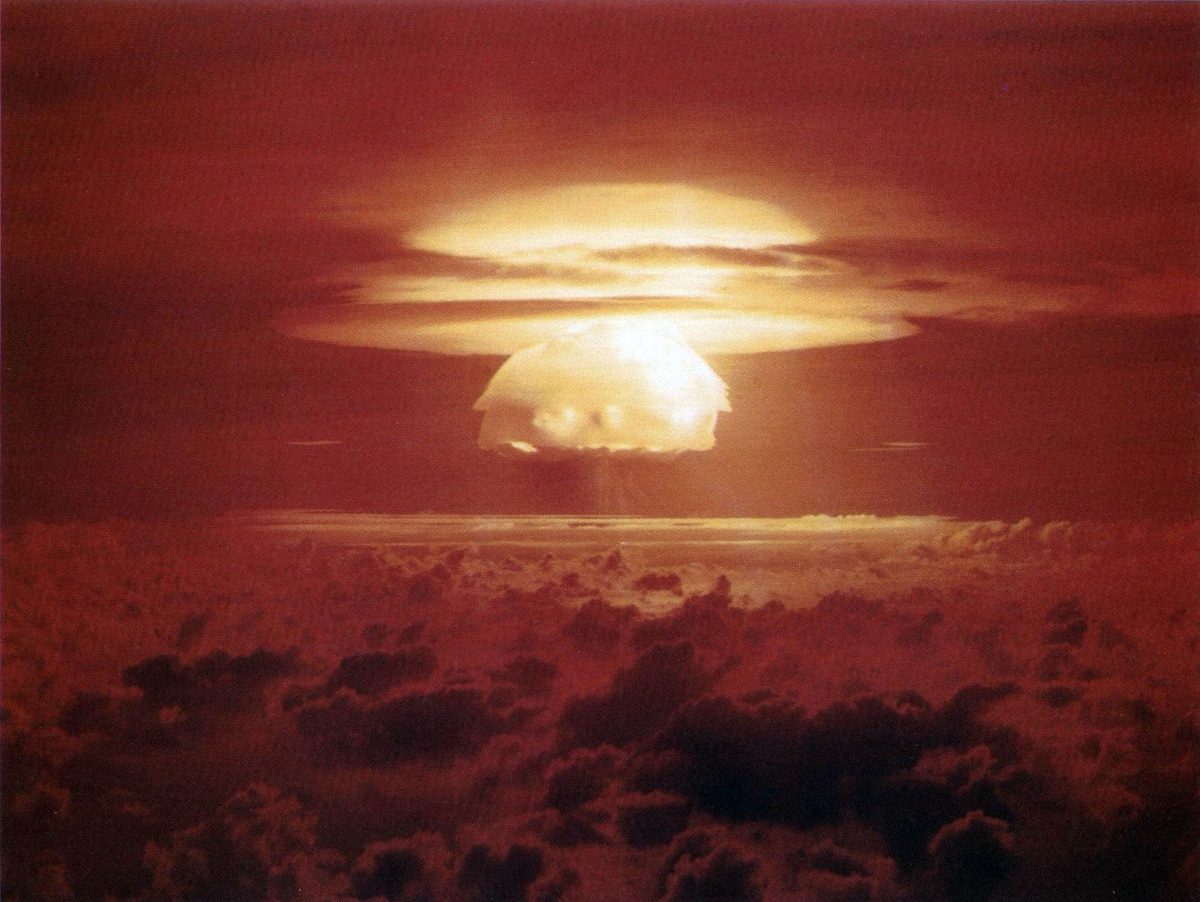
15 megatons
they had calculated six…
At Castle Bravo in 1954 the designers assumed one lithium isotope would sit the reaction out. It did not. Lithium-seven absorbed neutrons and bred more fuel. The bomb came in at two and a half times its predicted yield, and the fallout reached islands where people lived.
Castle Bravo, 1 March 1954: predicted ~6 Mt, actual 15 Mt, due to unanticipated Li-7 reactions producing tritium. Fallout contaminated inhabited Marshall Islands and the Japanese fishing vessel Daigo Fukuryū Maru.
06 / 08
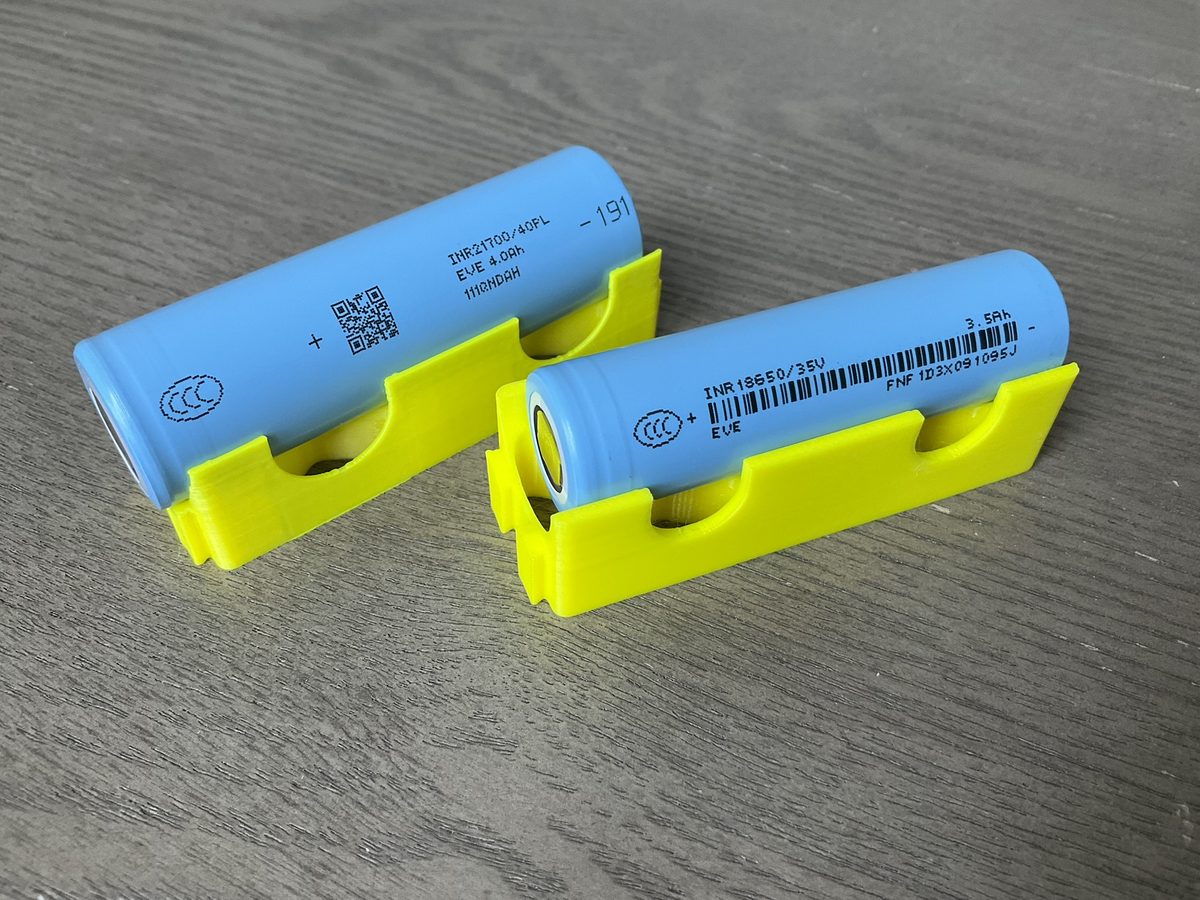
The oldest laureate there has ever been
and he was still working…
John Goodenough worked out the cathode that made rechargeable lithium batteries practical, in 1980, at fifty-seven. Sony sold the first one in 1991. He collected the Nobel in 2019 aged ninety-seven — the oldest person ever to get one.
Nobel Prize in Chemistry 2019 to Whittingham, Goodenough and Yoshino. Goodenough developed the LiCoO₂ cathode in 1980 aged 57; aged 97 at the award, the oldest Nobel laureate. Sony commercialised Li-ion in 1991.
07 / 08
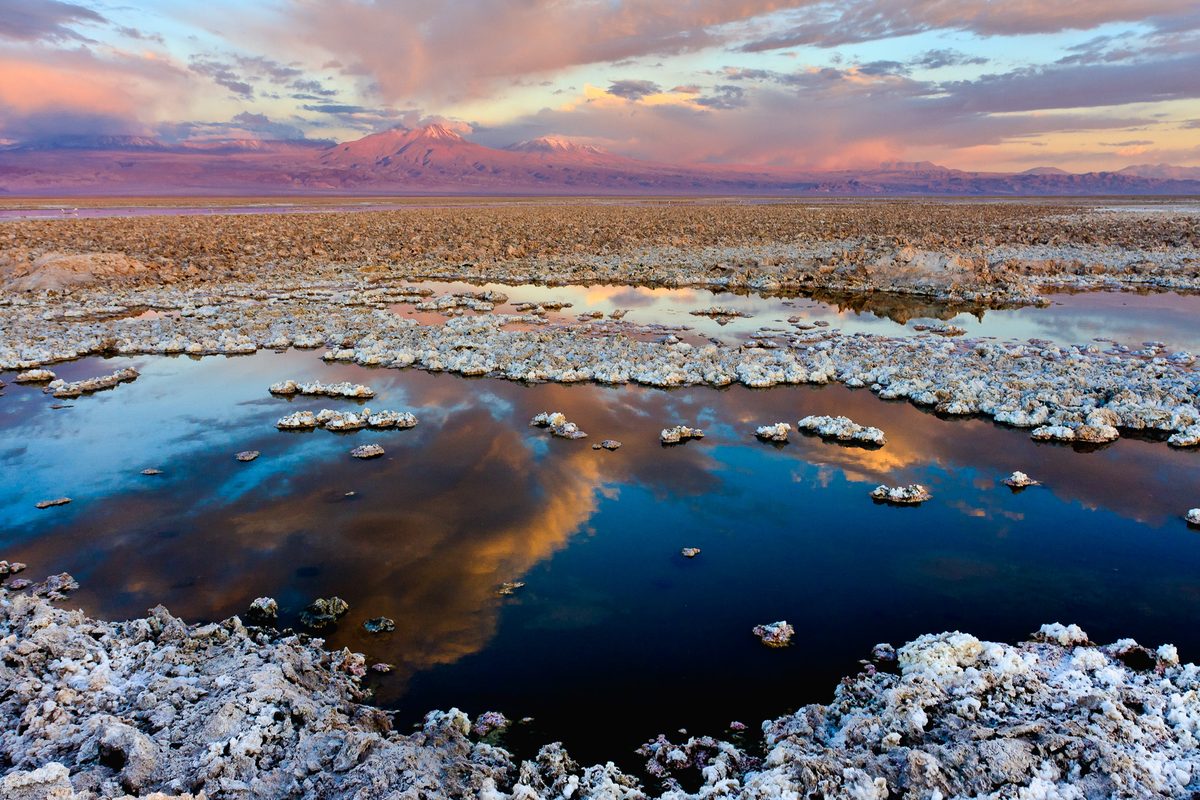
50% in three countries
and it is taken out with sunlight…
More than half of it sits under the salt flats of Chile, Bolivia and Argentina, pumped into ponds and left for the desert to evaporate. How much water that costs is disputed — estimates differ fourfold — in the driest desert on Earth.
The 'Lithium Triangle' (Chile, Bolivia, Argentina) holds >50% of identified global reserves. Solar evaporation takes 12–18 months. Published water-footprint figures range widely, roughly 0.5–2 million litres per tonne, and the accounting method is itself contested.
08 / 08
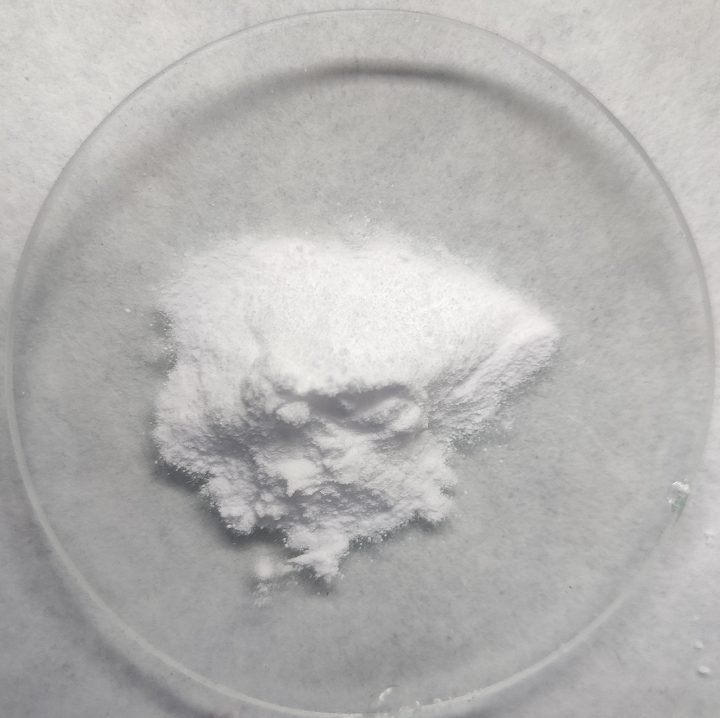
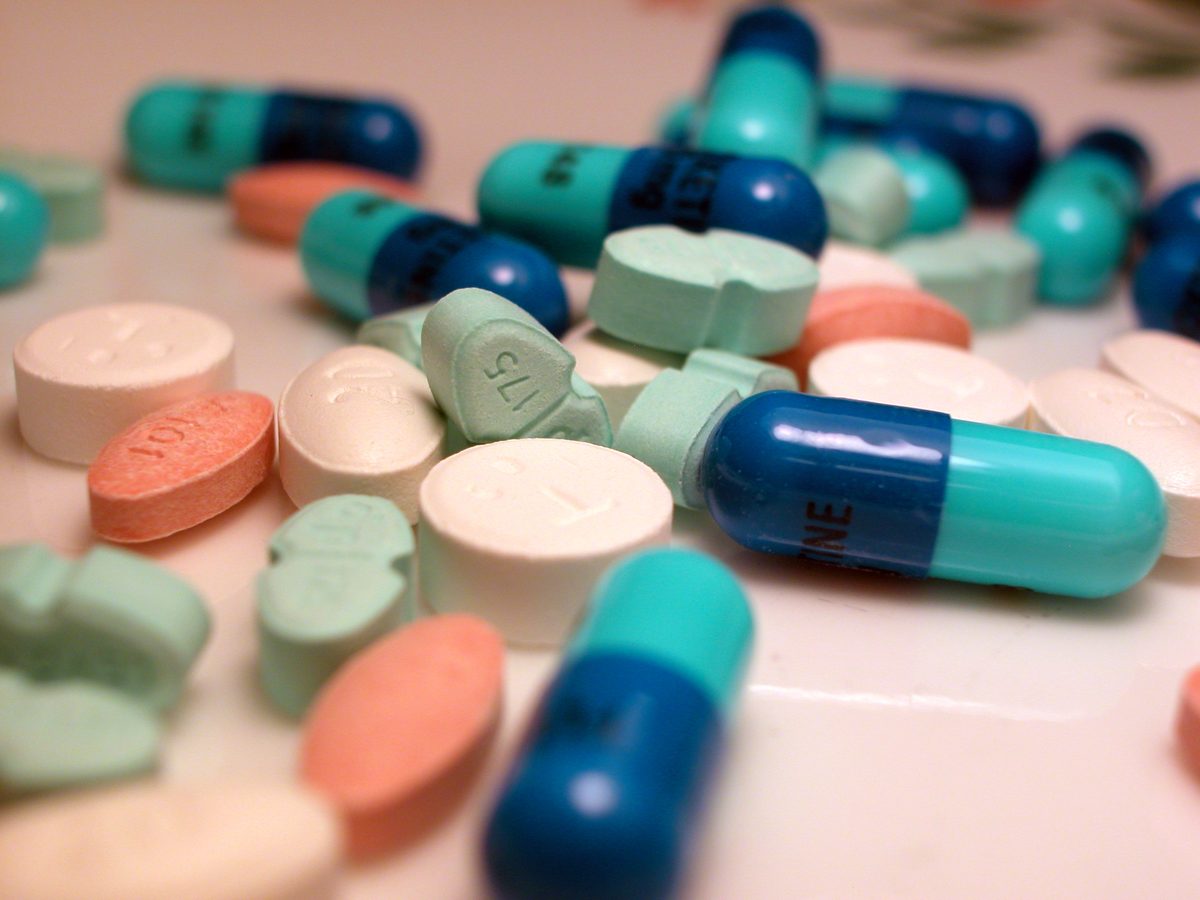
Still nobody knows why it works
seventy-five years of it helping people…
Lithium is still the most effective treatment there is for bipolar disorder. The dose needs blood tests, because the gap between what helps and what harms is narrow. And after seventy-five years of it working, nobody has established what it actually does in the brain.
Lithium remains first-line for bipolar disorder; therapeutic range ~0.6–1.2 mEq/L with toxicity above ~1.5 mEq/L, requiring serum monitoring. Mechanism of action remains unproven; GSK-3 and inositol monophosphatase inhibition are leading candidates.
Sources
- The cosmological lithium problem: Big Bang nucleosynthesis over-predicts primordial Li-7 by a factor of ~3–3.5 relative to observations in metal-poor halo stars, while D and He-4 predictions match. Unresolved.
- Arfwedson identified lithium in petalite from Utö, Sweden, 1817; named from Greek lithos (stone) as it derived from mineral rather than plant sources. Density 0.534 g/cm³, the least dense solid element.
- Cade, 'Lithium salts in the treatment of psychotic excitement', Medical Journal of Australia, 1949. He self-administered lithium before trialling it on patients. His uric-acid hypothesis was incorrect.
- 7Up launched 1929 as 'Bib-Label Lithiated Lemon-Lime Soda' containing lithium citrate; lithium was banned from US soft drinks in 1948 following overdose cases from multiple sources.
- Castle Bravo, 1 March 1954: predicted ~6 Mt, actual 15 Mt, due to unanticipated Li-7 reactions producing tritium. Fallout contaminated inhabited Marshall Islands and the Japanese fishing vessel Daigo Fukuryū Maru.
- Nobel Prize in Chemistry 2019 to Whittingham, Goodenough and Yoshino. Goodenough developed the LiCoO₂ cathode in 1980 aged 57; aged 97 at the award, the oldest Nobel laureate. Sony commercialised Li-ion in 1991.
- The 'Lithium Triangle' (Chile, Bolivia, Argentina) holds >50% of identified global reserves. Solar evaporation takes 12–18 months. Published water-footprint figures range widely, roughly 0.5–2 million litres per tonne, and the accounting method is itself contested.
- Lithium remains first-line for bipolar disorder; therapeutic range ~0.6–1.2 mEq/L with toxicity above ~1.5 mEq/L, requiring serum monitoring. Mechanism of action remains unproven; GSK-3 and inositol monophosphatase inhibition are leading candidates.
Image credits
- Petalite-tuc09104bbg.jpg — Robert M. Lavinsky, CC BY-SA 3.0 · Commons
- Heart of M13 Hercules Globular Cluster.jpg — ESA/Hubble and NASA, Public domain · Commons
- Petalite.jpg — Eurico Zimbres, CC BY-SA 2.5 · Commons
- Cochon d'Inde (Cavia porcellus) (3).jpg — Gzen92, CC BY-SA 4.0 · Commons
- VariousPills.jpg — Unknown, CC BY-SA 3.0 · Commons
- Castle Bravo Blast.jpg — United States Department of Energy, Public domain · Commons
- 18650 and 21700 lithium ion battery cell.jpg — Sevenethics, CC0 · Commons
- Salar de Atacama.jpg — Francesco Mocellin, CC BY-SA 3.0 · Commons
- Lithium carbonate A.jpg — Aariuser I, CC BY-SA 2.0 · Commons


_(3).jpg)


More from Periodic Tales
Nº 01
Phosphorus
Element 15. It builds every living thing, and it burns everything it touches.
Nº 02
Hydrogen
The first atom there ever was. Nine out of ten still are.
Nº 03
Helium
Found in the Sun twenty-seven years before anyone found it on Earth.
Nº 05
Beryllium
Light enough to fly a space telescope, sweet enough to taste, and one of the deadliest metals to breathe.
Nº 06
Boron
Made only by cosmic rays, then hidden everywhere: in reactor rods, bulletproof plates, and every computer chip.
Nº 07
Carbon
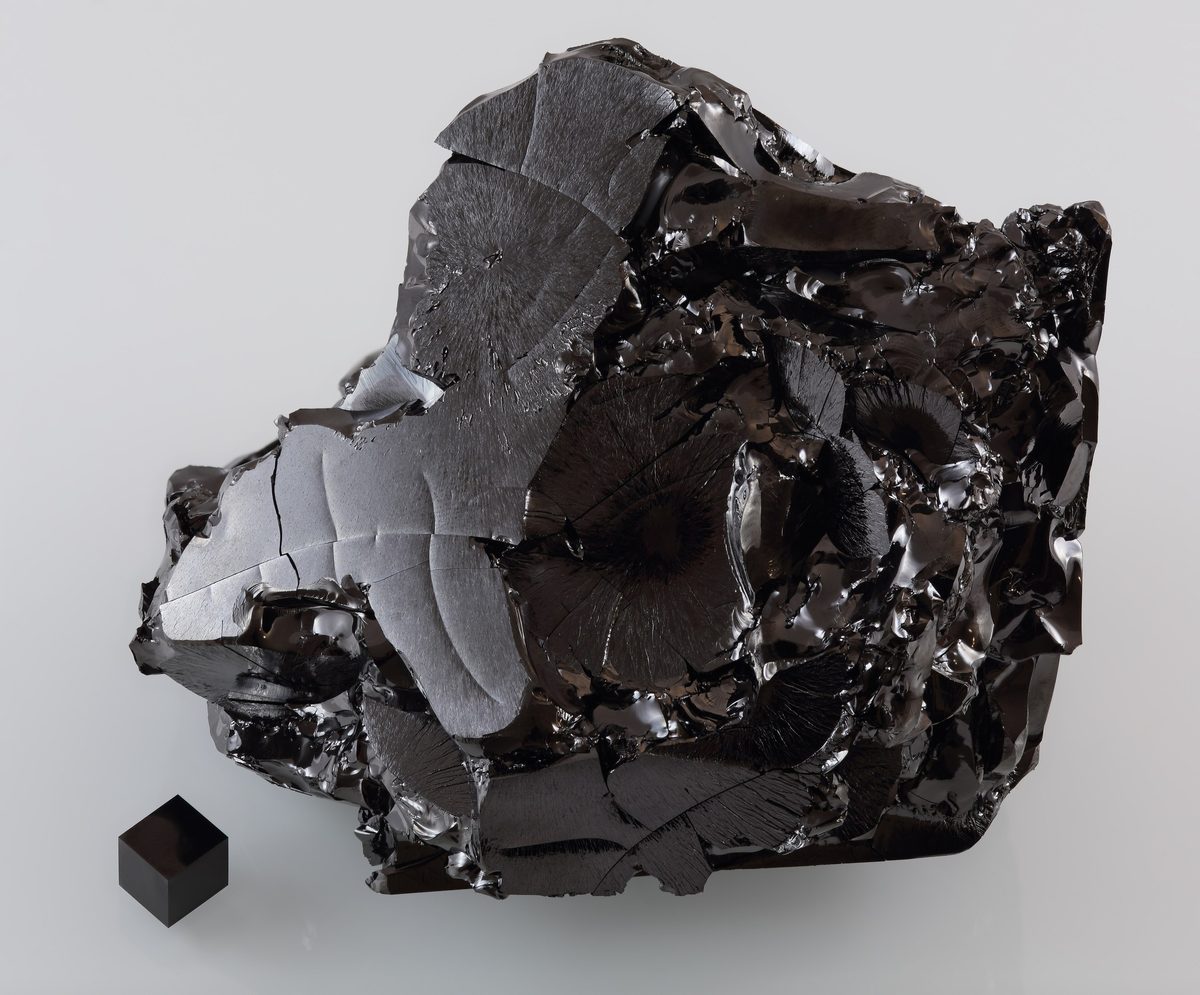
You are 18% carbon — the same element as the diamond, the pencil, a silent killer, and the blackest black ever made.