Periodic Tales · Nº 01
Phosphorus
Element 15. It builds every living thing, and it burns everything it touches.
01 / 08
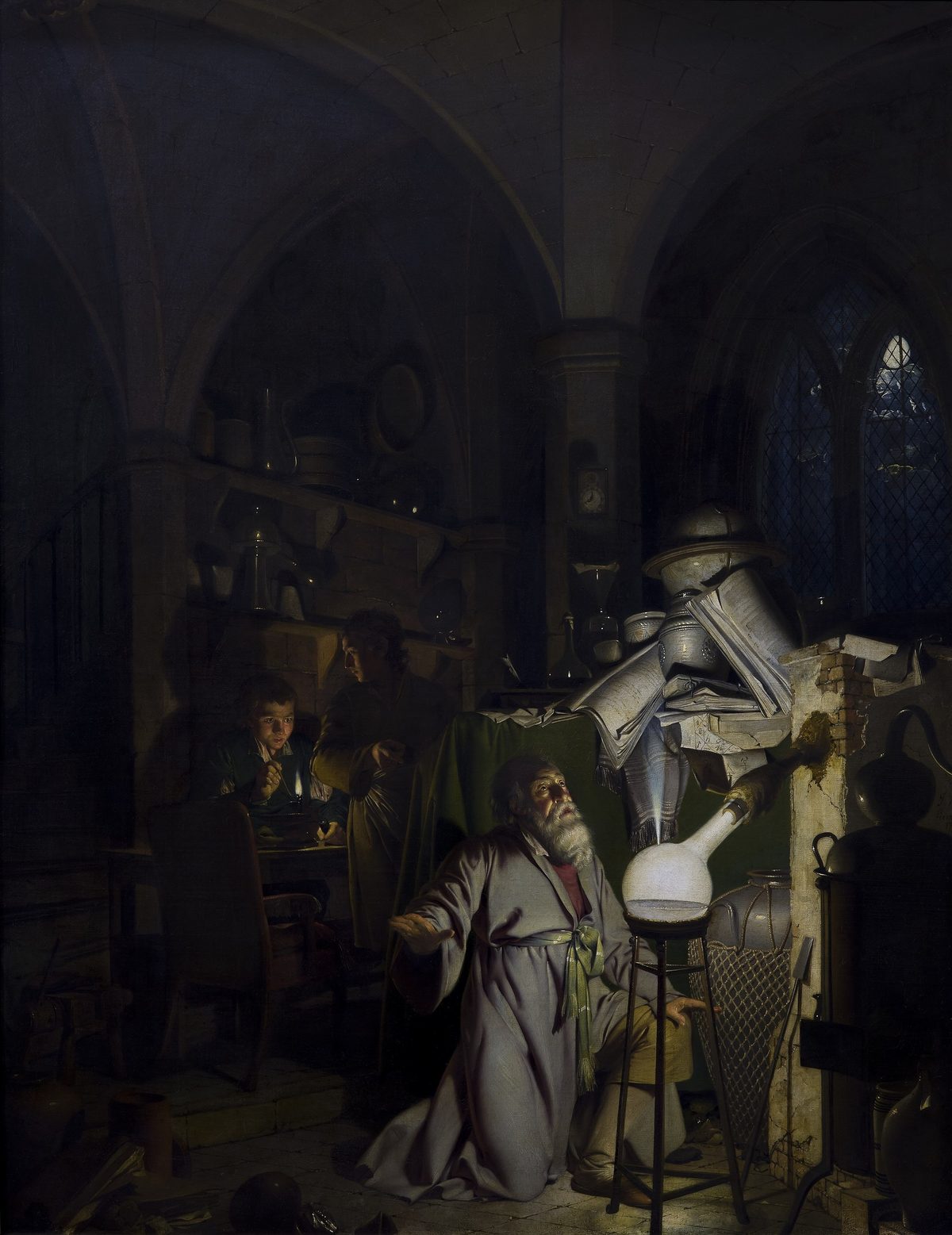
1669
an alchemist, boiling urine, looking for gold…
A Hamburg merchant named Hennig Brand was trying to make gold. His method was to boil down human urine — buckets of it — on the reasoning that a golden liquid must contain some. He got no gold. He got a waxy white substance that glowed in the dark.
Hennig Brand isolated phosphorus from urine, Hamburg, 1669 — the first element discovered by a named individual.
02 / 08
Light-bearer
he named it for what it did…
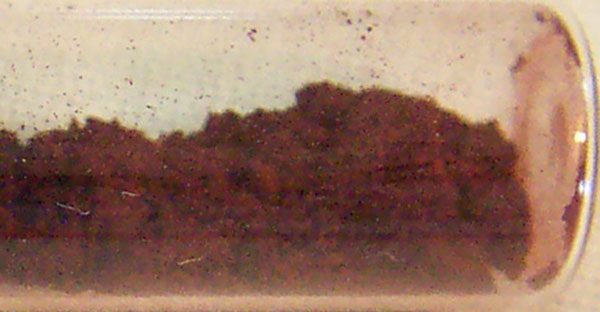
He called it phosphorus, from the Greek for light-bearer. White phosphorus glows faintly in air and catches fire on its own, so it has to be kept under water. Heat it without air and it becomes red phosphorus, stable and harmless. Same atoms, rearranged.
Greek phōsphoros, 'light-bearer'; white phosphorus is pyrophoric and stored under water; red phosphorus is the stable allotrope.
03 / 08
1% of you
and none of you works without it…
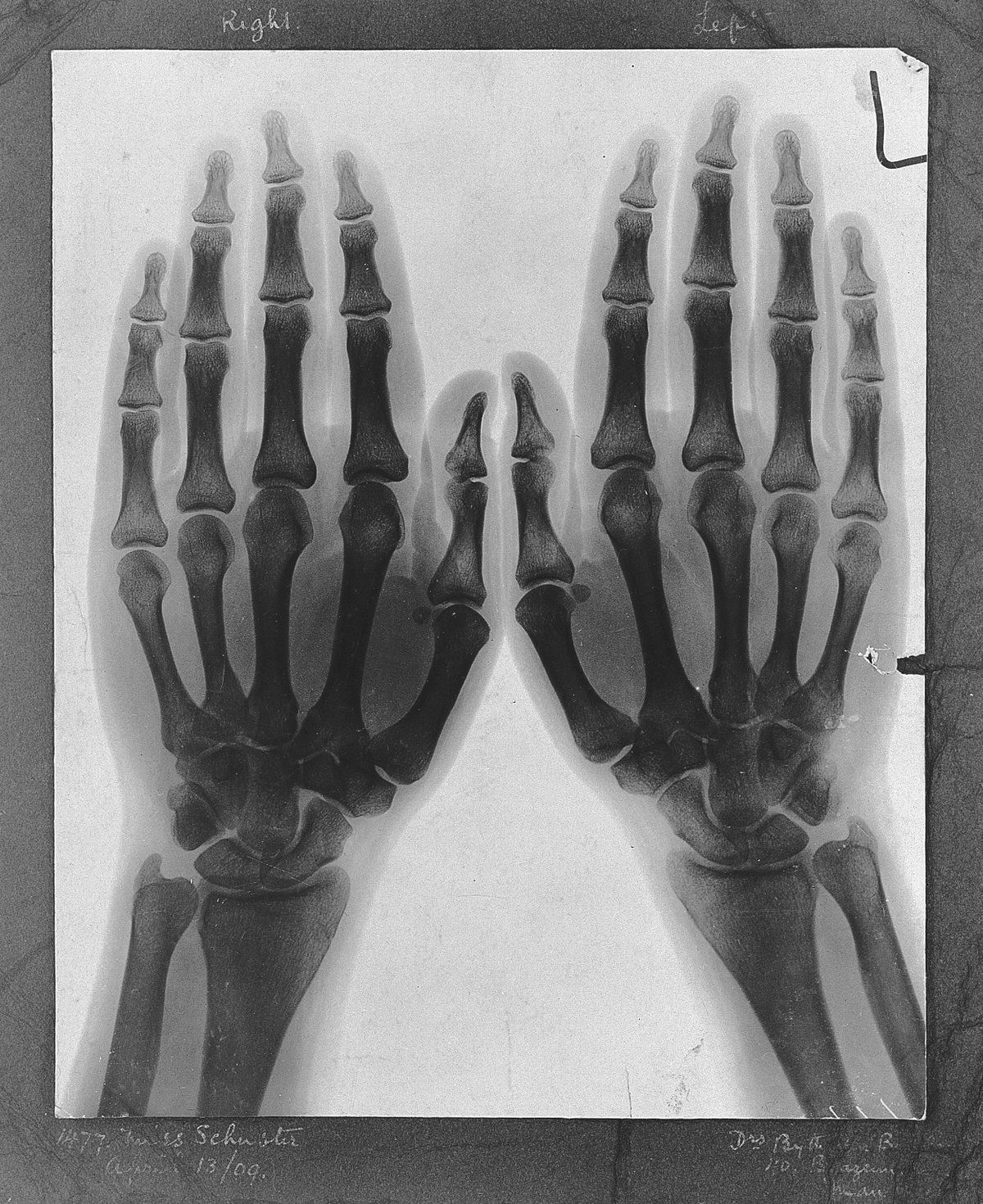
About one per cent of you is phosphorus. It is the backbone of DNA, the P in ATP that your cells spend and recharge billions of times a second, and the mineral that makes your bones rigid.
Phosphorus ≈1% of human body mass; phosphate backbone of DNA; ATP energy transfer; bone as calcium phosphate.
04 / 08
Phossy jaw
what it did to the girls who made matches…
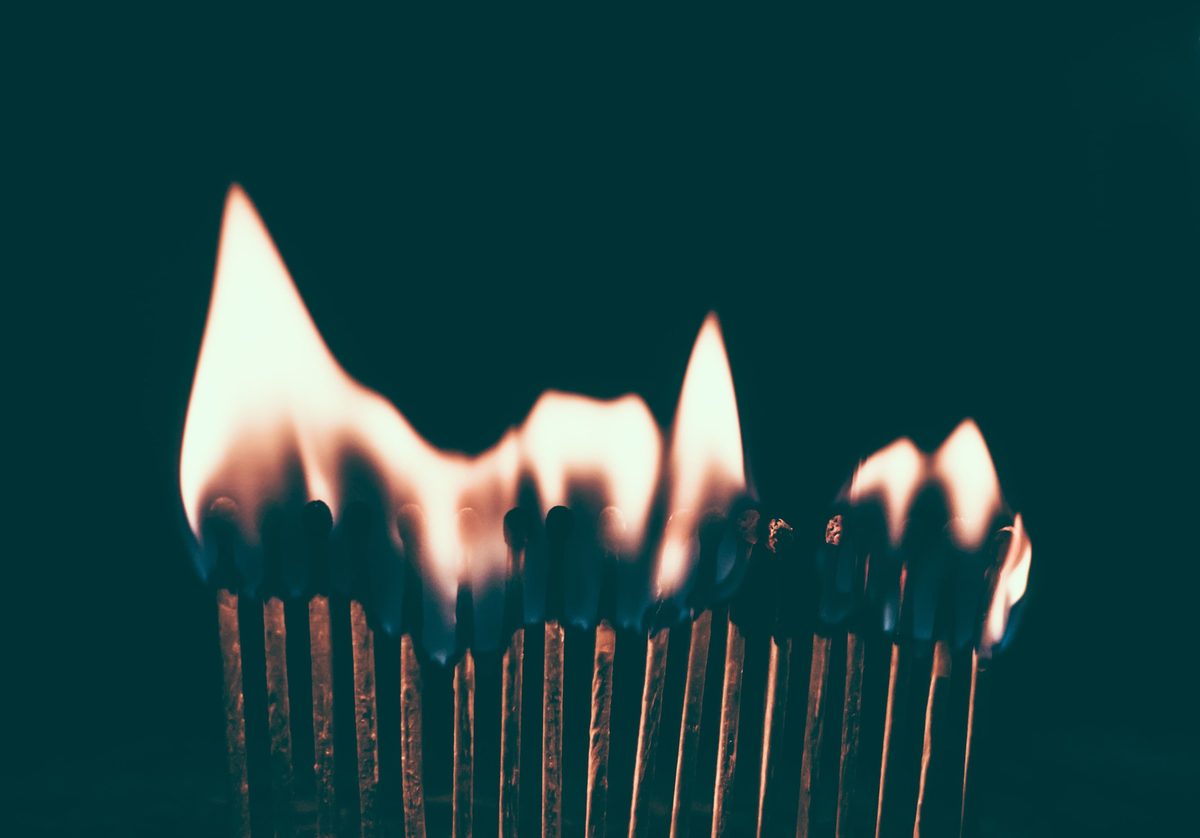
The first friction matches used white phosphorus, and the people who made them were mostly young women working long shifts over the fumes. It rotted their jawbones. In a dark room, the diseased bone glowed. The treatment was to remove the jaw.
Phosphorus necrosis of the jaw ('phossy jaw') among match factory workers, 19th century; affected bone was reported to glow.
05 / 08
1906
so eight countries signed something new…
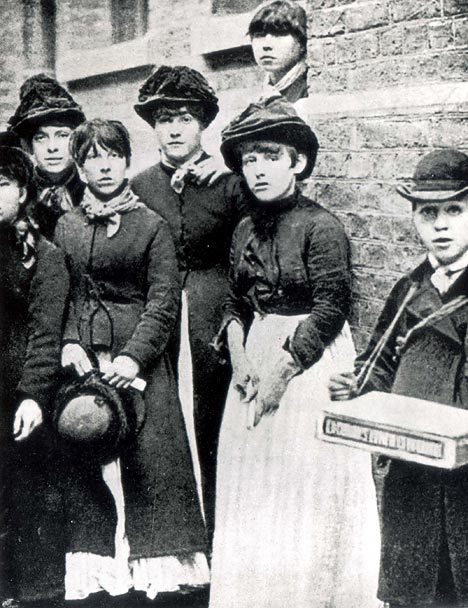
In 1906, eight European states met at Berne and banned white phosphorus in matches outright — one of the first treaties signed to stop an industry poisoning its own workers. The matchwomen who struck in London had made it impossible to ignore.
Berne Convention, 26 Sept 1906: prohibition of white phosphorus in match manufacture; in force 1912. 1888 London matchgirls' strike.
06 / 08
Now it feeds almost everyone
dug out of rock, spread on fields…
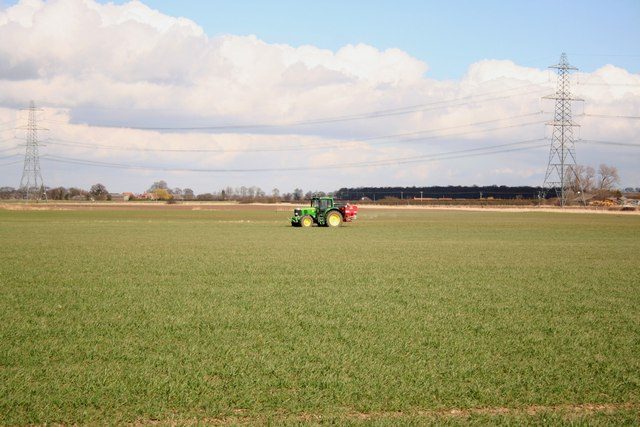
Phosphorus is one of three things plants cannot grow without, and there is no substitute — no chemistry, no technology, nothing. We mine it from ancient rock and spread it on fields. Take it away and the harvests fail.
Phosphorus is an essential macronutrient (N-P-K) with no synthetic substitute; phosphate rock mined for fertiliser.
07 / 08
70%
of the world's reserves, in one country…
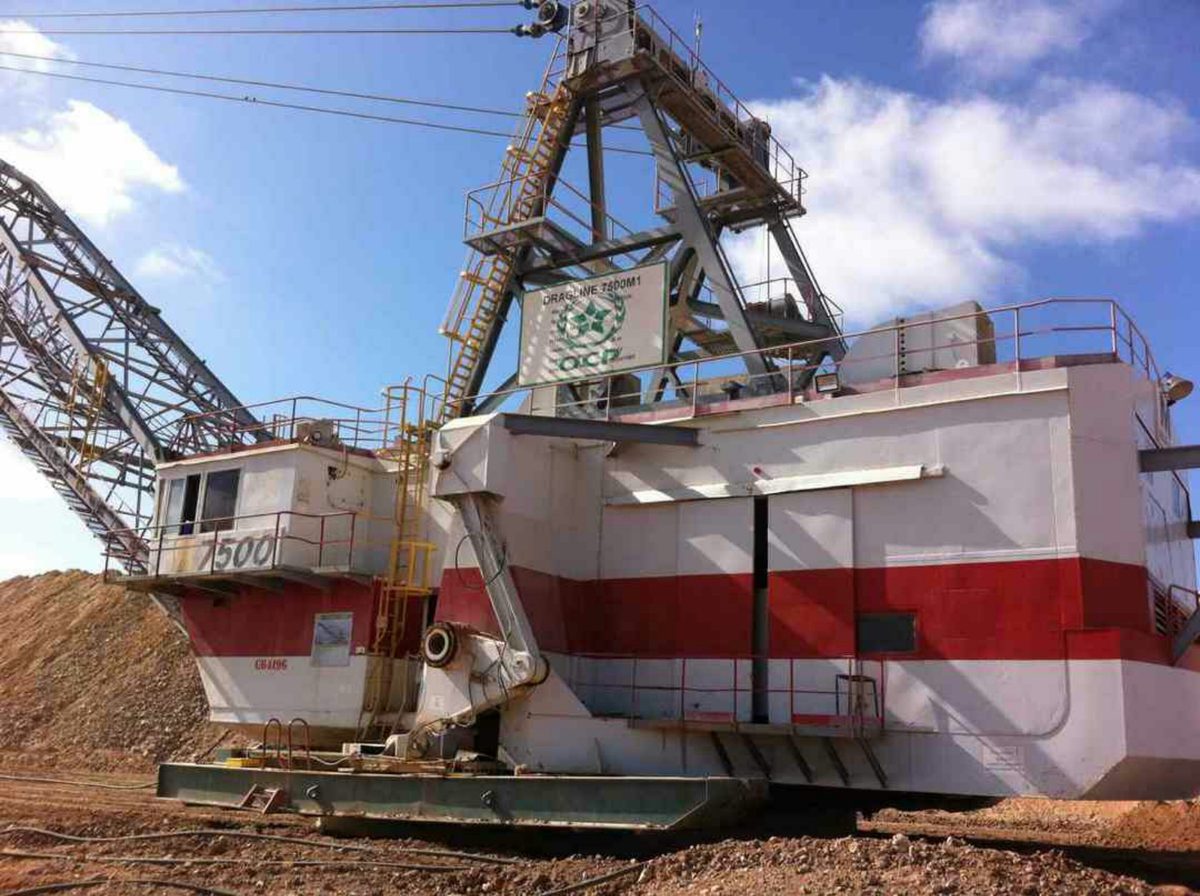
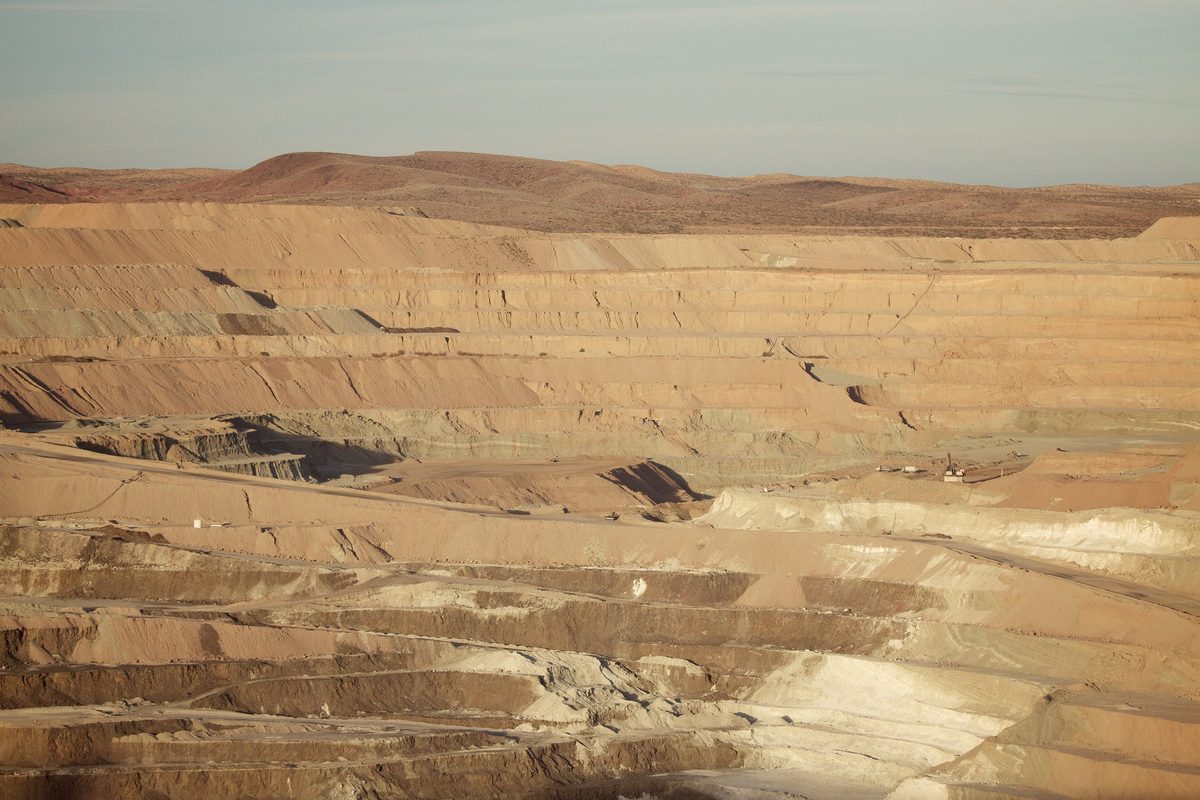
Roughly seventy per cent of the world's known phosphate reserves sit in Morocco and the territory it controls. There is no alternative source and no way to make more. The element that feeds the planet is concentrated in a way no other nutrient is.
Morocco holds ~70% of global phosphate rock reserves (incl. Western Sahara); USGS reserve estimates.
08 / 08
It never stays where you put it
and that is the whole problem…
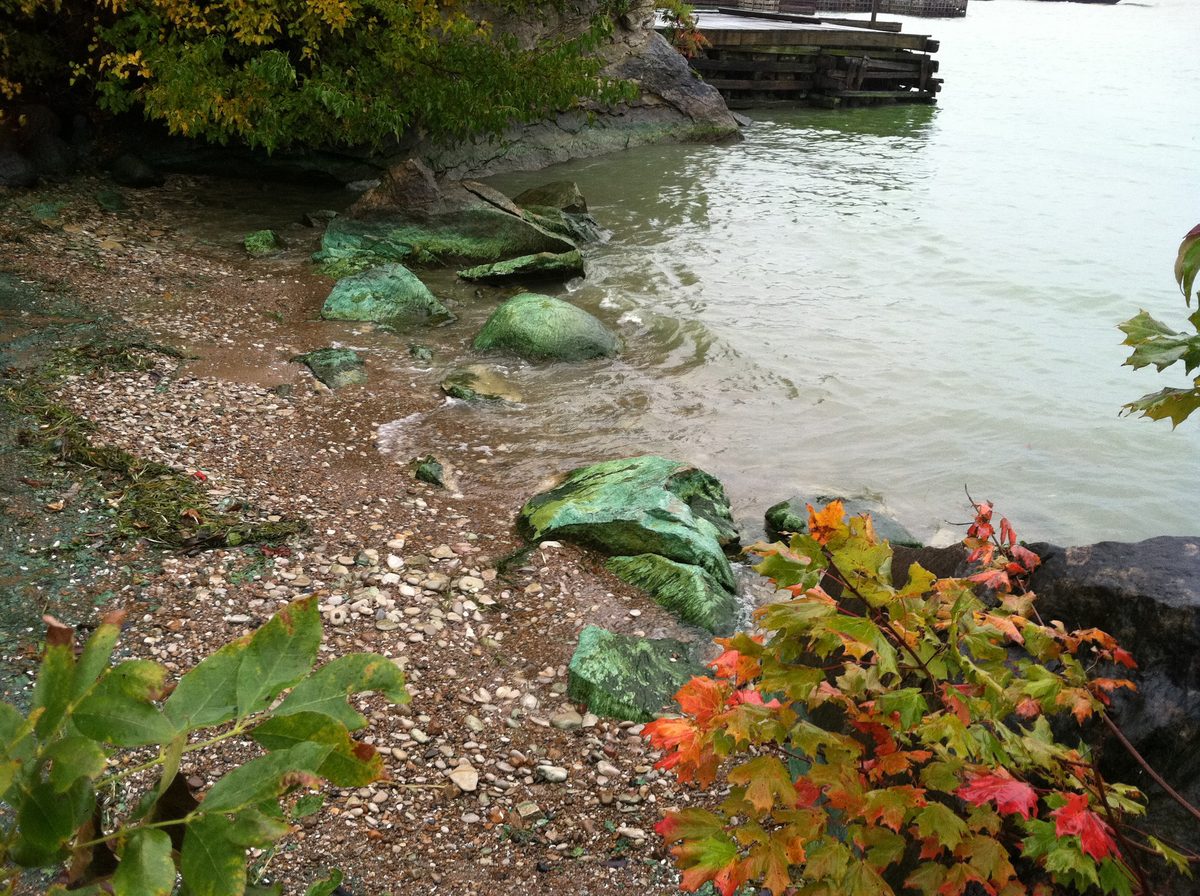
Phosphorus spread on a field does not stay on the field. It runs into lakes, feeds algae until they blanket the surface, and everything underneath suffocates. The same element that builds every living cell can empty a lake. The only difference is where it lands.
Phosphate runoff causes eutrophication and hypoxic 'dead zones' in freshwater and coastal systems.
Sources
- Hennig Brand isolated phosphorus from urine, Hamburg, 1669 — the first element discovered by a named individual.
- Greek phōsphoros, 'light-bearer'; white phosphorus is pyrophoric and stored under water; red phosphorus is the stable allotrope.
- Phosphorus ≈1% of human body mass; phosphate backbone of DNA; ATP energy transfer; bone as calcium phosphate.
- Phosphorus necrosis of the jaw ('phossy jaw') among match factory workers, 19th century; affected bone was reported to glow.
- Berne Convention, 26 Sept 1906: prohibition of white phosphorus in match manufacture; in force 1912. 1888 London matchgirls' strike.
- Phosphorus is an essential macronutrient (N-P-K) with no synthetic substitute; phosphate rock mined for fertiliser.
- Morocco holds ~70% of global phosphate rock reserves (incl. Western Sahara); USGS reserve estimates.
- Phosphate runoff causes eutrophication and hypoxic 'dead zones' in freshwater and coastal systems.
Image credits
- P4 glow.jpg — 2x910, CC BY-SA 4.0 · Commons
- Joseph Wright of Derby The Alchemist.jpg — Joseph Wright of Derby, Public domain · Commons
- Red phosphorus in a tube - P 15 .jpg — Photo by en:User:RTC., CC BY-SA 3.0 · Commons
- Two hands, viewed through x-ray. Photoprint from radiograph Wellcome L0013210.jpg — Unknown, CC BY 4.0 · Commons
- Matchstick in the Dark (Unsplash).jpg — Jamie Street jamie452, CC0 · Commons
- Matchgirl strikers.PNG — Unknown author, Public domain · Commons
- Fertiliser spreading - geograph.org.uk - 719136.jpg — Richard Croft, CC BY-SA 2.0 · Commons
- Dragline OCP benguerir.jpg — Solox44, CC BY-SA 4.0 · Commons
- Algal bloom in Lake Erie, Kelley's Island (8740853491).jpg — NOAA Great Lakes Environmental Research Laboratory, CC BY-SA 2.0 · Commons


.jpg)


.jpg)
More from Periodic Tales
Nº 02
Hydrogen
The first atom there ever was. Nine out of ten still are.
Nº 03
Helium
Found in the Sun twenty-seven years before anyone found it on Earth.
Nº 04
Lithium
Third element ever made. In your phone, in the bomb, and in the medicine cabinet.
Nº 05
Beryllium
Light enough to fly a space telescope, sweet enough to taste, and one of the deadliest metals to breathe.
Nº 06
Boron
Made only by cosmic rays, then hidden everywhere: in reactor rods, bulletproof plates, and every computer chip.
Nº 07
Carbon
You are 18% carbon — the same element as the diamond, the pencil, a silent killer, and the blackest black ever made.