Nobel Laureates · Nº 08
Trees
A laboratory scientist worked out that the trees, the water and the poverty were one problem.
01 / 08
1971
and she was chairing the department by 1976…
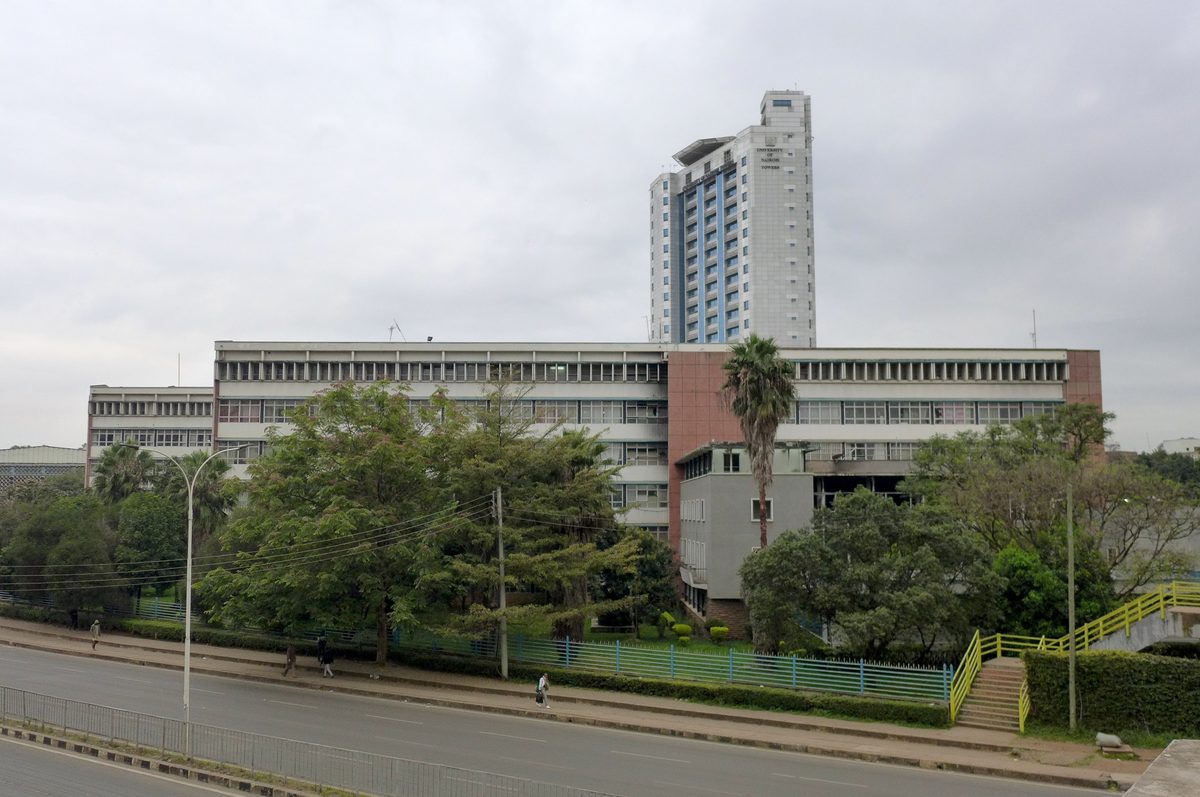
Wangari Maathai took a doctorate in veterinary anatomy in 1971 — the first woman in East or Central Africa to hold one. Her research was on the development of the bovine gonad. By 1976 she chaired the department. She was a laboratory scientist.
Maathai was awarded a PhD in veterinary anatomy by the University of Nairobi in 1971, the first woman in East and Central Africa to earn a doctorate. Her dissertation concerned the development and differentiation of gonads in bovines. Senior lecturer 1975, chair of the Department of Veterinary Anatomy 1976, associate professor 1977.
02 / 08
She diagnosed a system
where everyone else counted four problems…
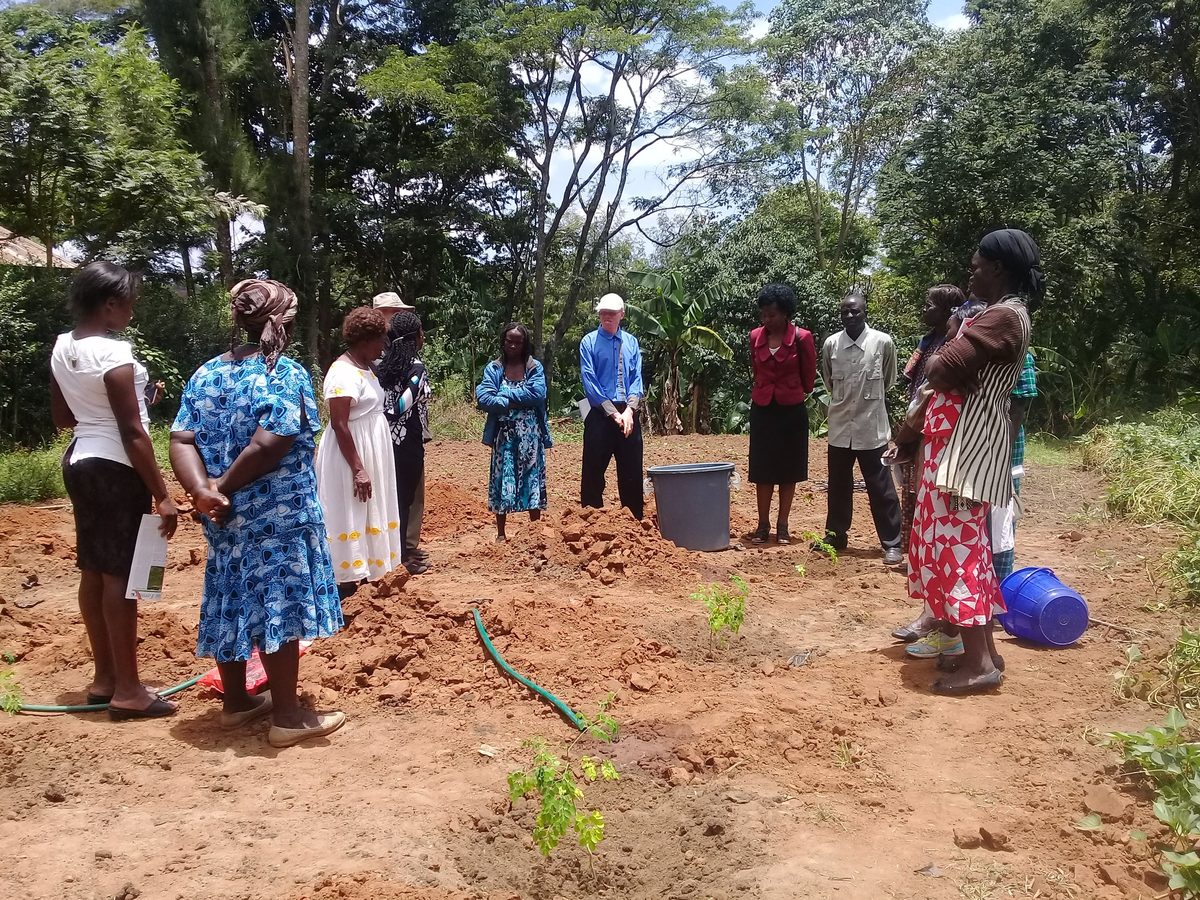
Kenya had a firewood problem, a topsoil problem, a malnutrition problem and a water problem, and each was handled separately. Maathai's argument was that they were one problem with one intervention point, and the point was a tree.
Maathai's analysis, developed through the National Council of Women of Kenya, linked deforestation to soil loss, water scarcity, fuel poverty and declining nutrition as one coupled system rather than as separate sectoral problems.
03 / 08
200 litres a day
and Kikuyu already had a word for it…
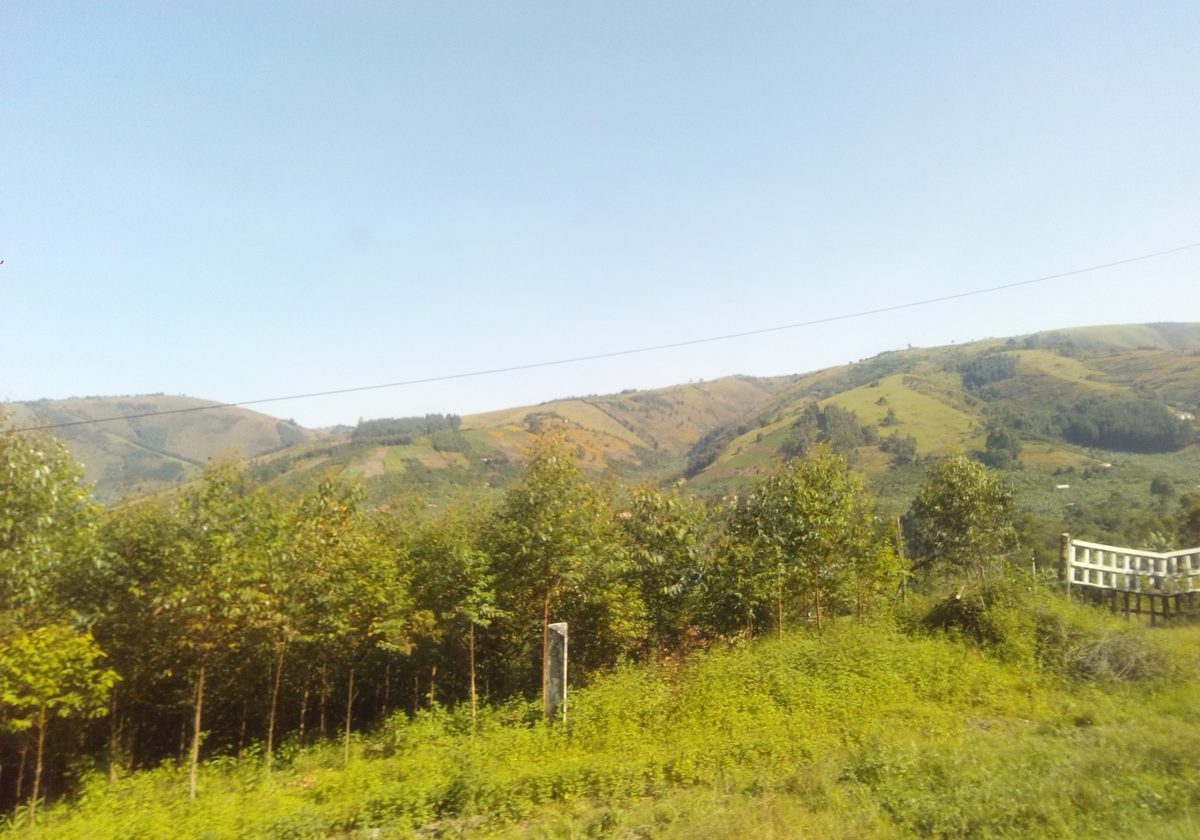
The mechanism was hydrological. Colonial forestry had pulled out indigenous highland species and put in eucalyptus and pine for timber, and a mature eucalyptus can draw two hundred litres of groundwater a day. Kikuyu had a name for that tree — munyua mai, water guzzler.
Colonial forestry replaced indigenous highland species with eucalyptus, black wattle and conifers. ICRAF: a three-year-old eucalyptus draws ~20 litres/day, rising to ~200 litres/day at twenty years. Maathai campaigned against commercial eucalyptus on water-depletion grounds and used the Kikuyu name munyua mai, 'water guzzler'.
04 / 08

Then she designed the incentive
and the wording of it is the clever part…
Paying people to plant trees gets you planted trees, not living ones. So the Green Belt Movement paid on survival — a small sum for every seedling still alive after three months. The reward attaches to the outcome rather than to the activity.
The Green Belt Movement, founded 1977, paid participants for each seedling surviving past three months rather than per seedling planted, aligning payment with survival rather than with effort.
05 / 08
51 million trees
and thirty thousand foresters who were not foresters…
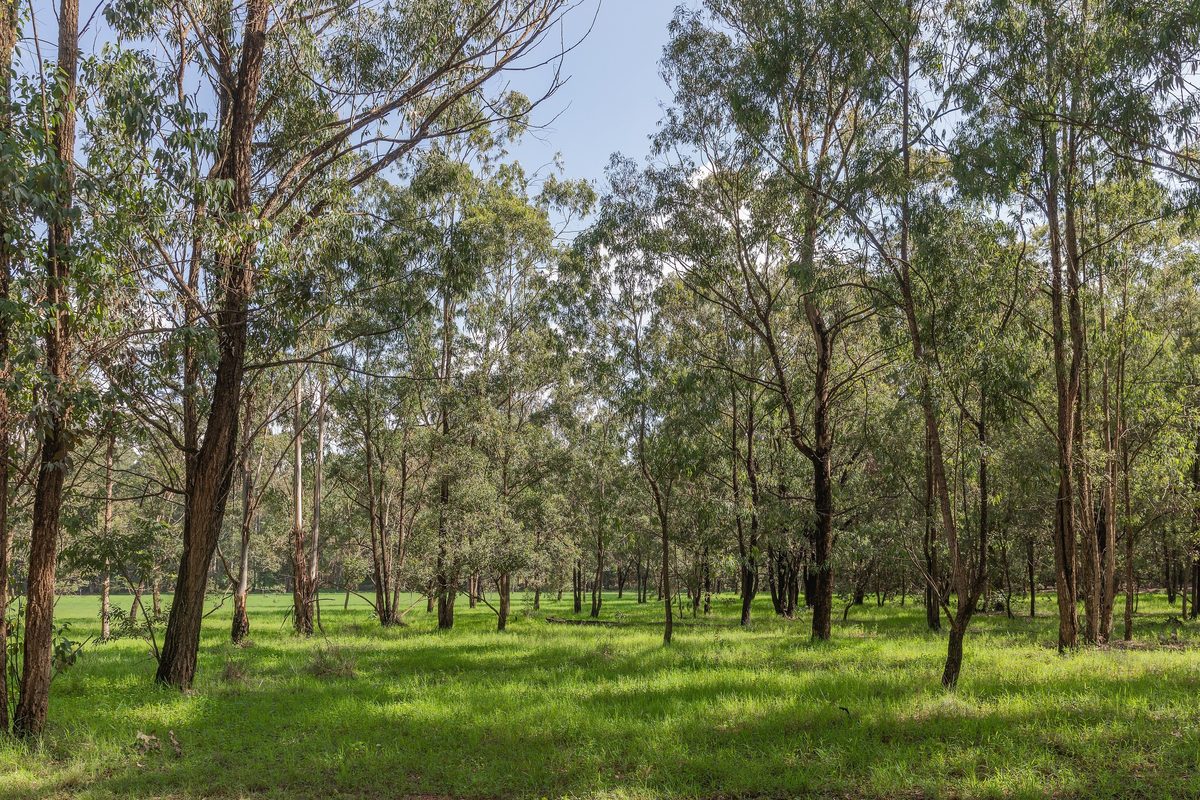
Thirty thousand women were trained in nursery work, grafting and food processing. Fifty-one million trees have gone in since 1977, watersheds recovered under them, and it ran with no forestry service, no laboratory and no real budget.
Green Belt Movement: more than 51 million trees planted since 1977 and more than 30,000 women trained in forestry, food processing, bee-keeping and related trades. Restoration is credited with recharging local watersheds.
06 / 08
The government called it subversion
and she kept the nurseries running…
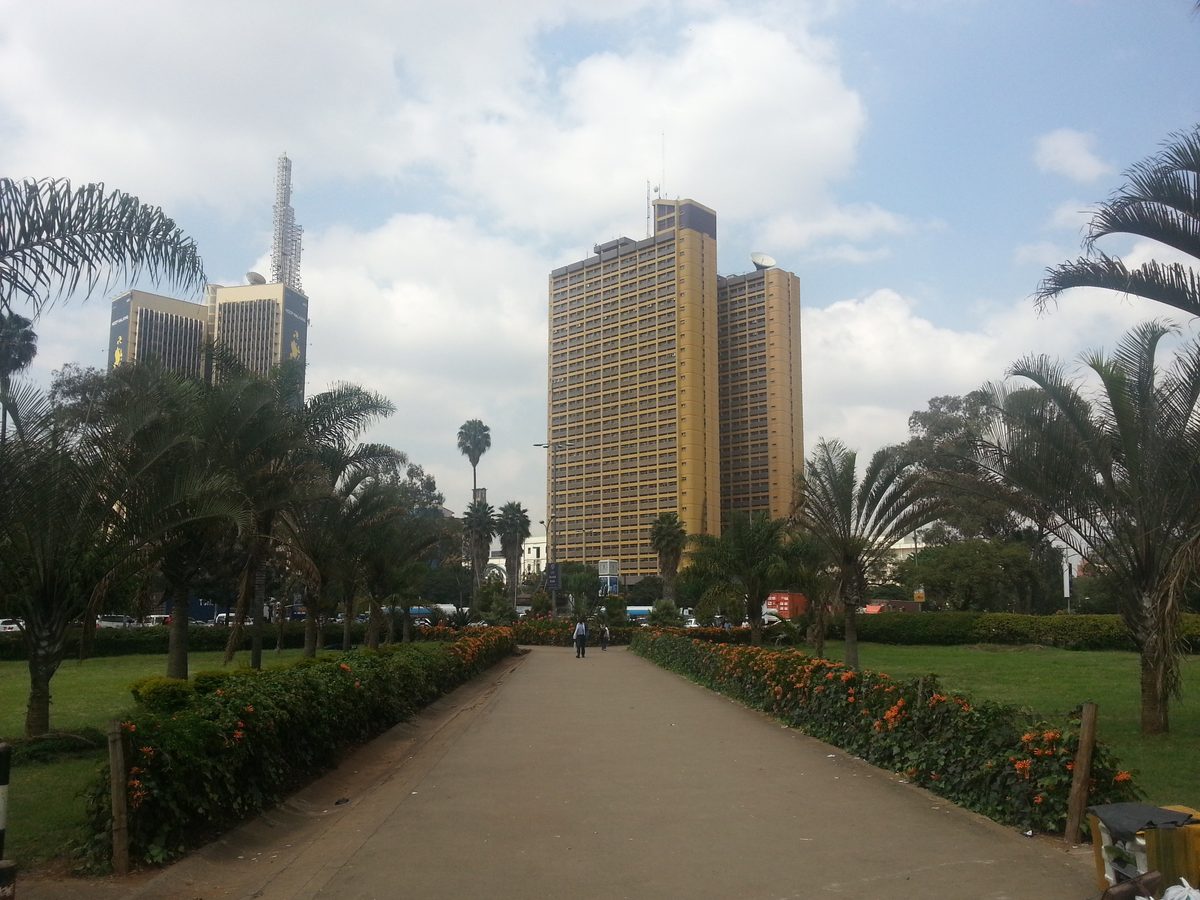
Moi's administration revived a colonial rule requiring permission for any gathering above nine people, applied it to her, and she was arrested and beaten more than once. She kept the nurseries going throughout. The trees were never the political part. The meetings were.
From the late 1980s the Kenyan government invoked colonial-era legislation restricting gatherings of more than nine people against Green Belt Movement activity; Moi characterised the movement as subversive. Maathai was detained on several occasions and injured by police in 1992 and 1999.
07 / 08
2004
and the committee admitted what it had done…
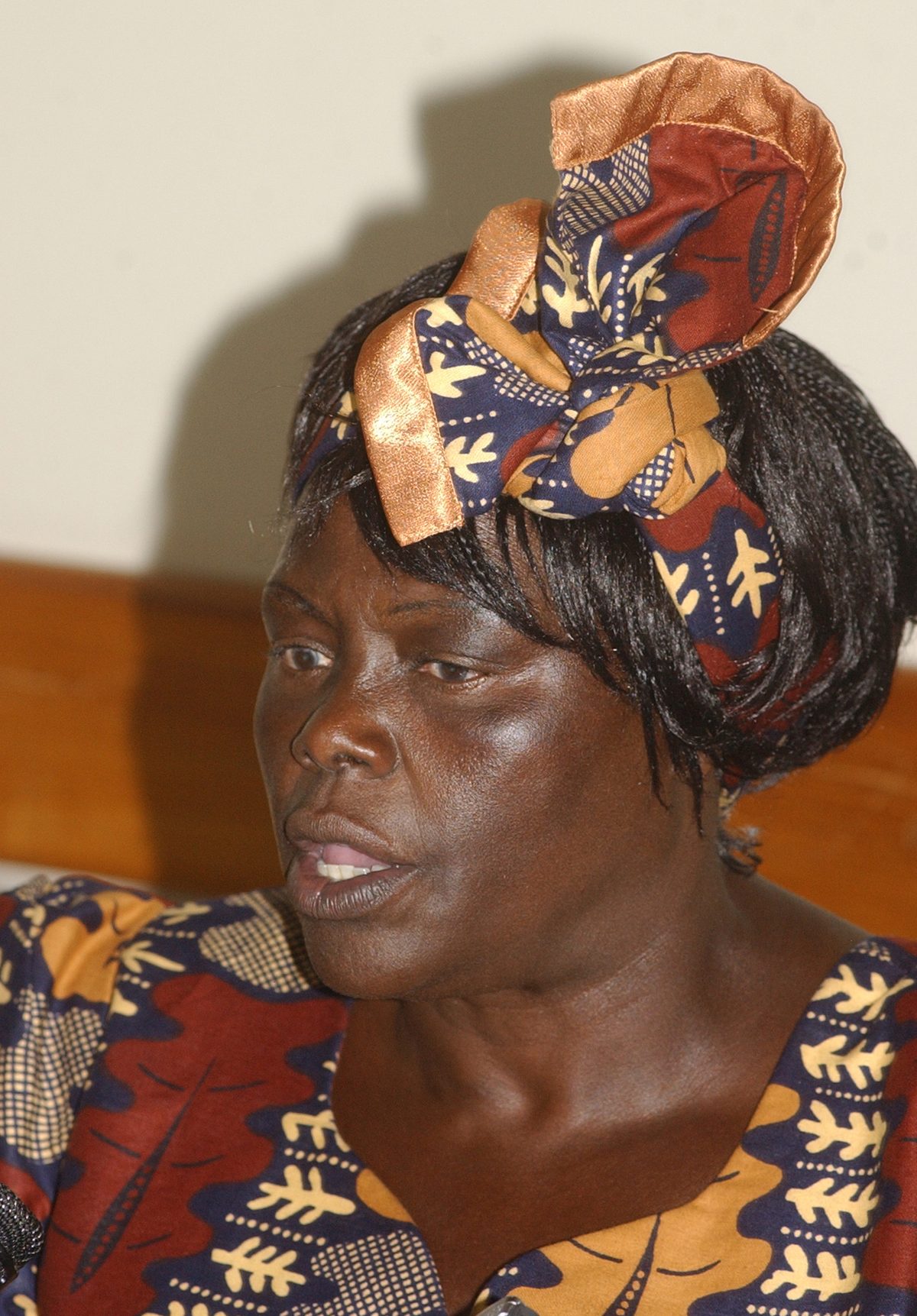
First African woman to win the Nobel Peace Prize, and the first person to win it for environmental work. Critics said trees are not peace. Asked whether the prize had been stretched, the committee's chairman simply agreed — we have expanded the term.
Nobel Peace Prize 2004. Chairman Ole Danbolt Mjøs, asked whether the committee had stretched the prize: 'It is clear that with this award, we have expanded the term peace to encompass environmental questions.' Critics argued the link between ecology and peace was tenuous.
08 / 08
Then it stopped being Kenyan
and the arithmetic ran away…
In 2006 the United Nations adopted her method as the Billion Tree Campaign. It passed a billion inside a year and has since passed fourteen billion. She died in 2011 and asked that no tree be felled for her casket.
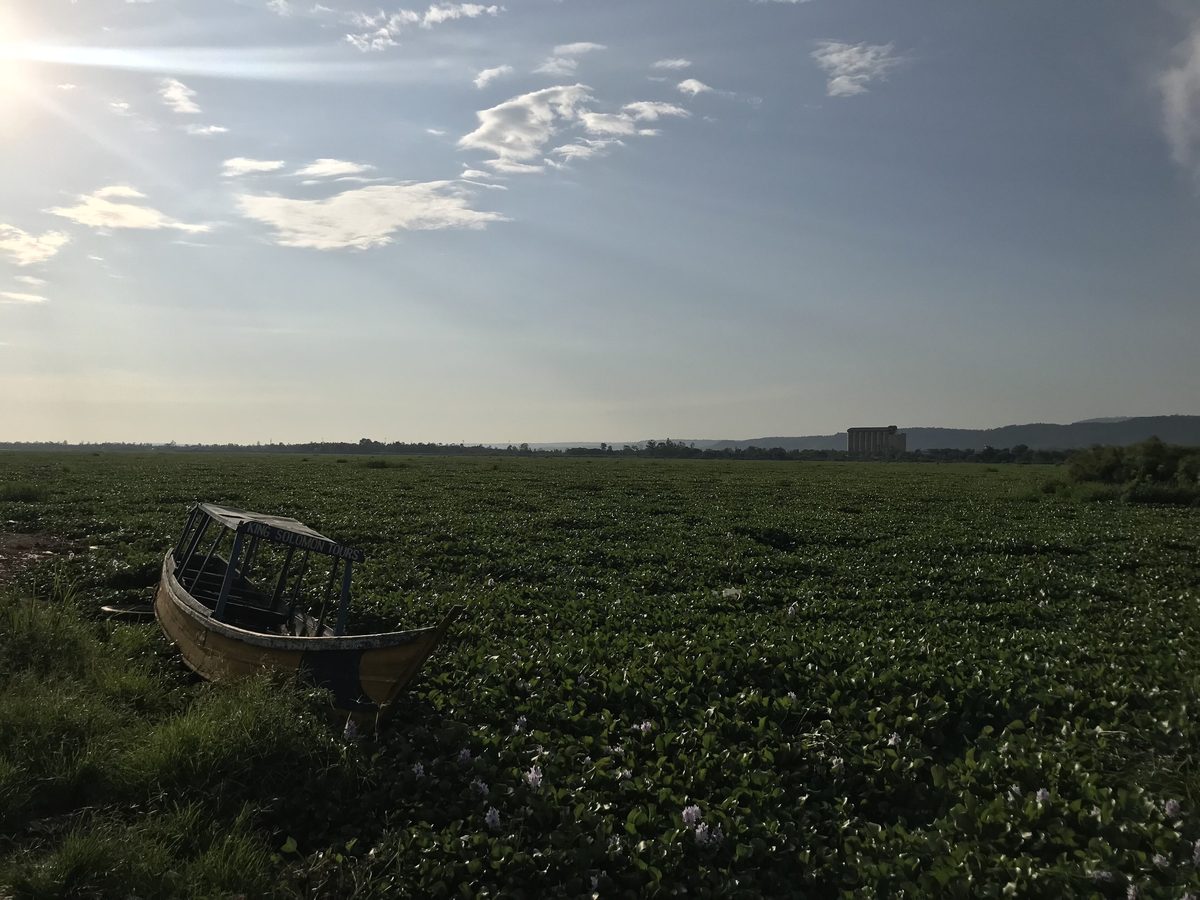
Maathai launched the UNEP Billion Tree Campaign in 2006; the one-billion target was met within a year and the running total subsequently exceeded 14 billion. Maathai died 25 September 2011; her casket was woven from a bamboo frame grown in her garden, water hyacinth and papyrus, per her wish that no tree be cut.
Sources
- Maathai was awarded a PhD in veterinary anatomy by the University of Nairobi in 1971, the first woman in East and Central Africa to earn a doctorate. Her dissertation concerned the development and differentiation of gonads in bovines. Senior lecturer 1975, chair of the Department of Veterinary Anatomy 1976, associate professor 1977.
- Maathai's analysis, developed through the National Council of Women of Kenya, linked deforestation to soil loss, water scarcity, fuel poverty and declining nutrition as one coupled system rather than as separate sectoral problems.
- Colonial forestry replaced indigenous highland species with eucalyptus, black wattle and conifers. ICRAF: a three-year-old eucalyptus draws ~20 litres/day, rising to ~200 litres/day at twenty years. Maathai campaigned against commercial eucalyptus on water-depletion grounds and used the Kikuyu name munyua mai, 'water guzzler'.
- The Green Belt Movement, founded 1977, paid participants for each seedling surviving past three months rather than per seedling planted, aligning payment with survival rather than with effort.
- Green Belt Movement: more than 51 million trees planted since 1977 and more than 30,000 women trained in forestry, food processing, bee-keeping and related trades. Restoration is credited with recharging local watersheds.
- From the late 1980s the Kenyan government invoked colonial-era legislation restricting gatherings of more than nine people against Green Belt Movement activity; Moi characterised the movement as subversive. Maathai was detained on several occasions and injured by police in 1992 and 1999.
- Nobel Peace Prize 2004. Chairman Ole Danbolt Mjøs, asked whether the committee had stretched the prize: 'It is clear that with this award, we have expanded the term peace to encompass environmental questions.' Critics argued the link between ecology and peace was tenuous.
- Maathai launched the UNEP Billion Tree Campaign in 2006; the one-billion target was met within a year and the running total subsequently exceeded 14 billion. Maathai died 25 September 2011; her casket was woven from a bamboo frame grown in her garden, water hyacinth and papyrus, per her wish that no tree be cut.
Image credits
- Ficus Mugumo tree at Uhuru Park in Nairobi.jpg — AmateurMaestro, CC BY-SA 4.0 · Commons
- University of Nairobi, 2025 (01).jpg — Bahnfrend, CC BY-SA 4.0 · Commons
- Rachel the tireless tree planter, Kenya photo 2.jpg — Caroletravis, CC BY-SA 4.0 · Commons
- Eucalyptus trees Plantation on a Hill Along Kabale-Mbarara Highway.jpg — Emma Oruk, CC BY-SA 4.0 · Commons
- Fig tree seedlings in a nursery.jpg — Chandapiwa Malema, CC0 · Commons
- Karura Forest, Nairobi (53550853911).jpg — Ninara, CC BY 2.0 · Commons
- Nyayo House in Kenya.jpg — raidarmax, CC BY-SA 3.0 · Commons
- Wangari Maathai no Brasil.jpg — Foto: Antônio Cruz/ABr, CC BY 3.0 br · Commons
- Hyacinth menace Lake Victoria.jpg — Mwe17, CC BY-SA 4.0 · Commons

.jpg)


.jpg)


More from Nobel Laureates

Nº 01
Auctions
Two economists who didn't study a market. They built one.

Nº 02
Equilibrium
He proved everyone can be doing their best, and everyone can be losing.
Nº 03
Commons
Economics said shared land must die. She went and looked.
Nº 04
Ulcers
Every doctor knew nothing survives stomach acid. One doctor drank the proof.
Nº 05
CRISPR
A footnote in 1987. Rejected by four journals. Now it cures people.
Nº 06
Wormwood
A secret military project. A recipe from the year 340. She took the first dose herself.