Periodic Tales · Nº 06
Boron
Made only by cosmic rays, then hidden everywhere: in reactor rods, bulletproof plates, and every computer chip.
01 / 08
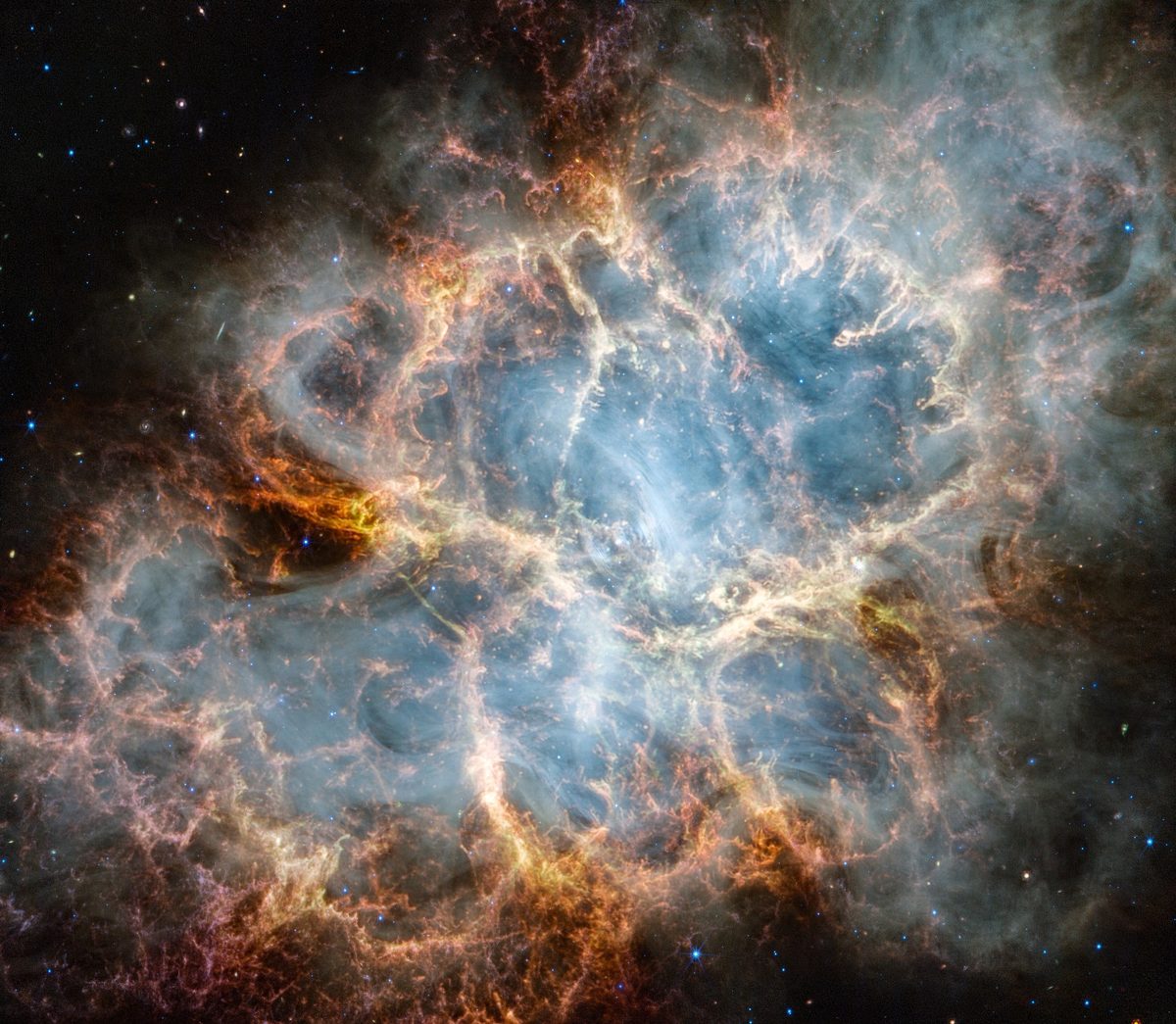
Neither stars nor the Big Bang
it is wreckage, made in flight…
Almost every element is forged inside stars. Boron is not — stars destroy it. Nearly all the boron there is was made in empty space, when cosmic rays slammed into drifting carbon and nitrogen and shattered them. It is one of the rarest light elements.
Boron is not made by stellar or Big Bang nucleosynthesis (it is consumed in stellar interiors). It forms almost entirely by cosmic-ray spallation of interstellar carbon, nitrogen and oxygen, making it among the rarest of the light elements.
02 / 08
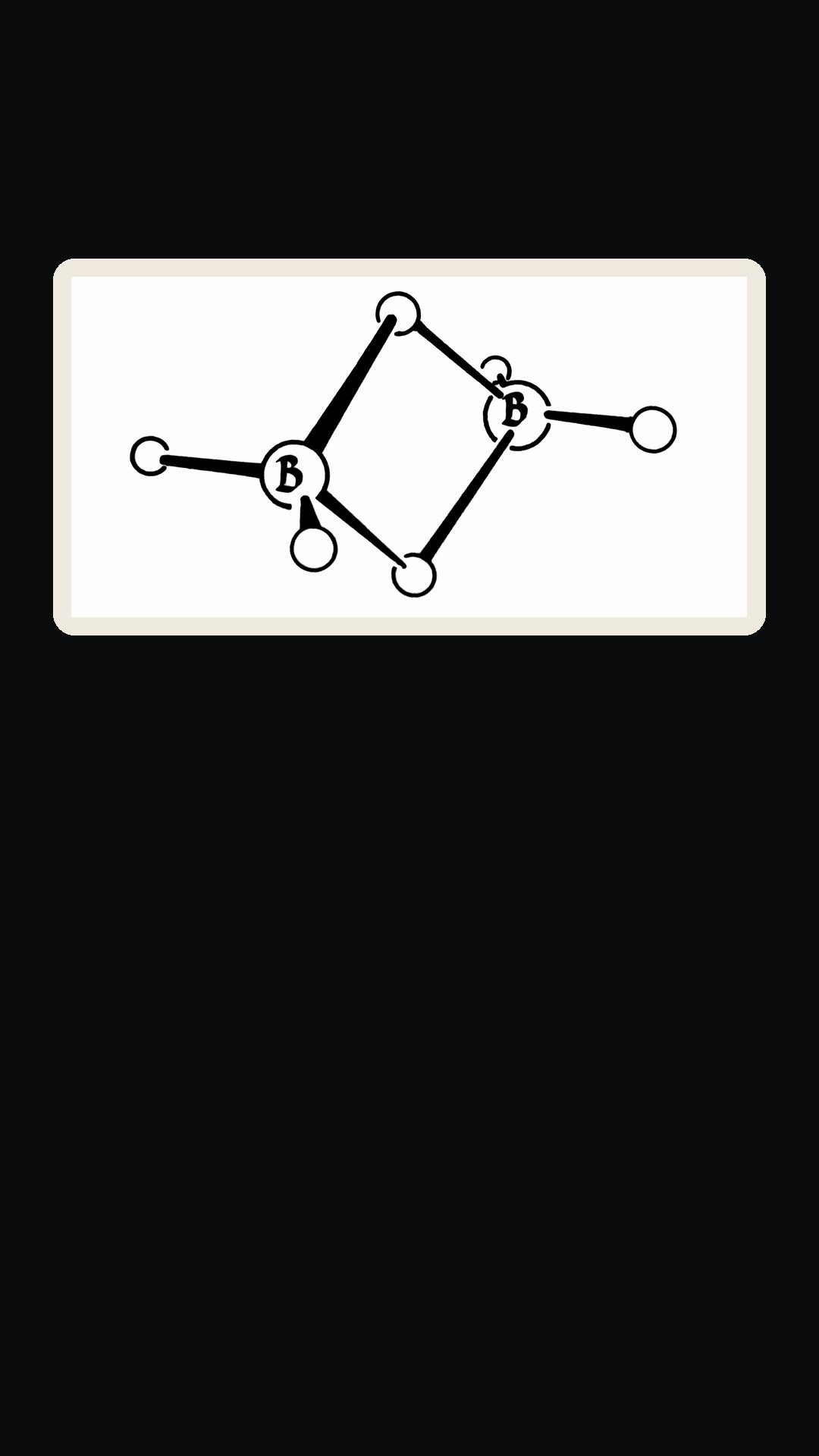
3 electrons
too few for the octet, so it improvises…
Every atom supposedly wants eight electrons in its outer shell. Boron has three, and can never reach eight — so it cheats, sharing one pair of electrons across three atoms at once. Chemists call them banana bonds, and boron builds whole molecular cages out of the shortage.
Boron is electron-deficient (3 valence electrons) and violates the octet rule, forming three-center two-electron (3c–2e) 'banana' bonds, as in diborane (B₂H₆) and the borane cluster cages.
03 / 08
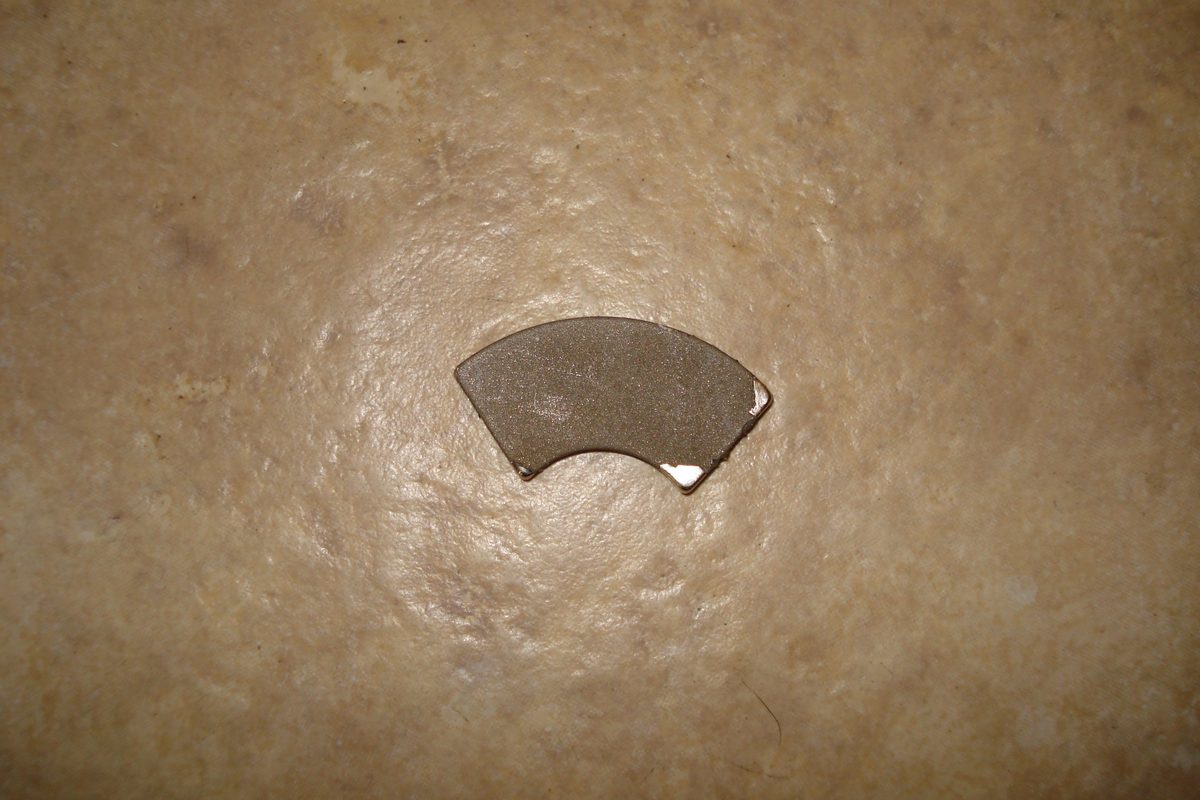
The strongest magnets need it
one light atom, bracing the lattice…
The strongest permanent magnets ever made — the ones in earbuds, hard drives and electric-car motors — are neodymium, iron and boron. Take the boron out and the crystal won't hold its shape, and the magnetism collapses. One light atom braces the whole lattice.
Neodymium magnets (Nd₂Fe₁₄B) are the strongest commercial permanent magnets; boron is essential to the tetragonal crystal structure that gives the material its high coercivity. Used in motors, hard drives, headphones and wind turbines.
04 / 08
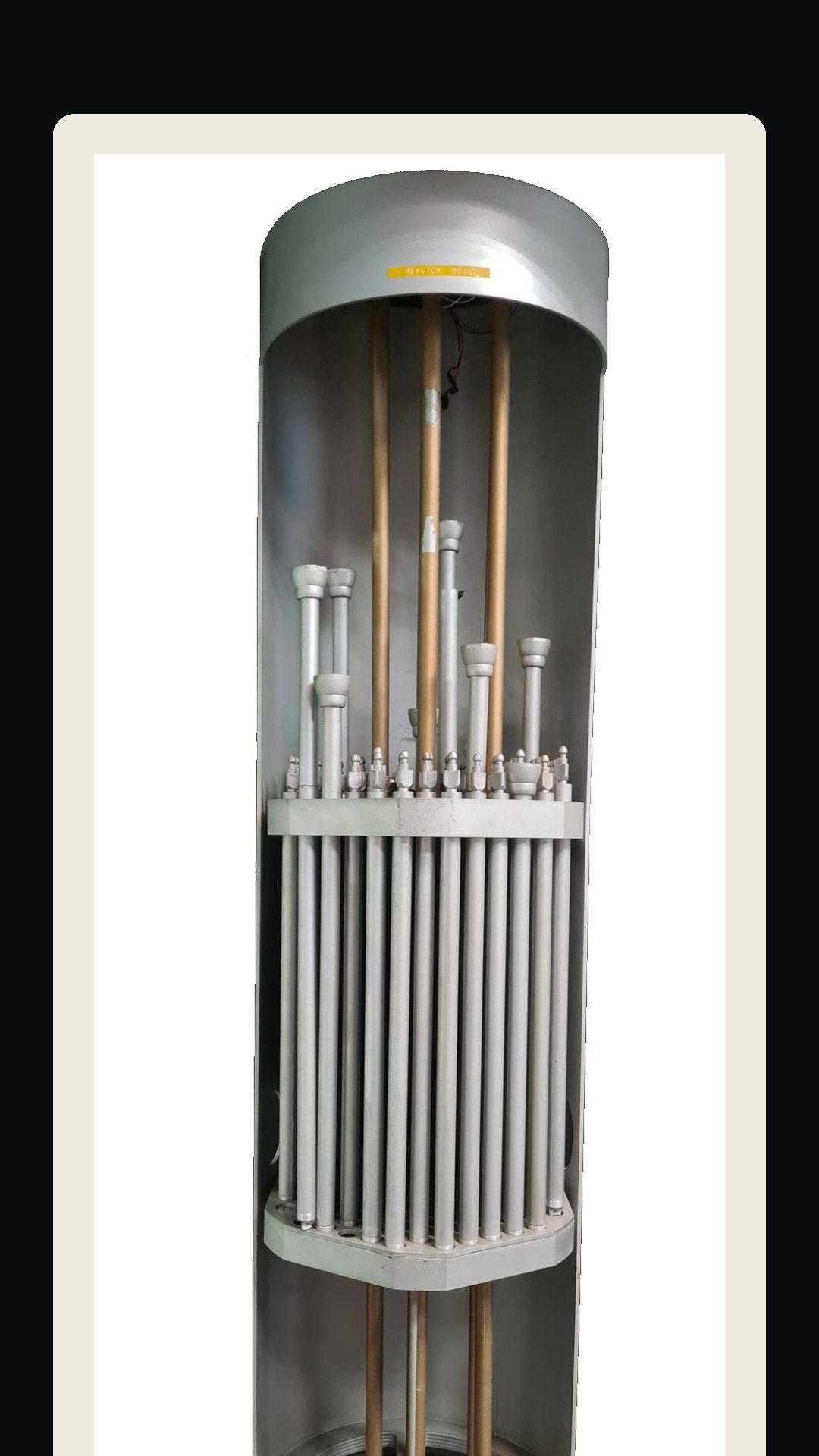
3,837 barns
it drinks neutrons, and stops the chain…
Boron-10 is one of the hungriest neutron absorbers known — a cross-section of nearly three thousand eight hundred barns. Slide boron-carbide rods into a reactor and they swallow the neutrons that keep fission going. They are the brakes on every reactor, dropped in an emergency.
¹⁰B thermal-neutron capture cross-section ≈3,837 barns. Boron carbide (B₄C) and borated steel are standard nuclear control-rod and shutdown materials; boron absorbs neutrons to halt the fission chain reaction.
05 / 08
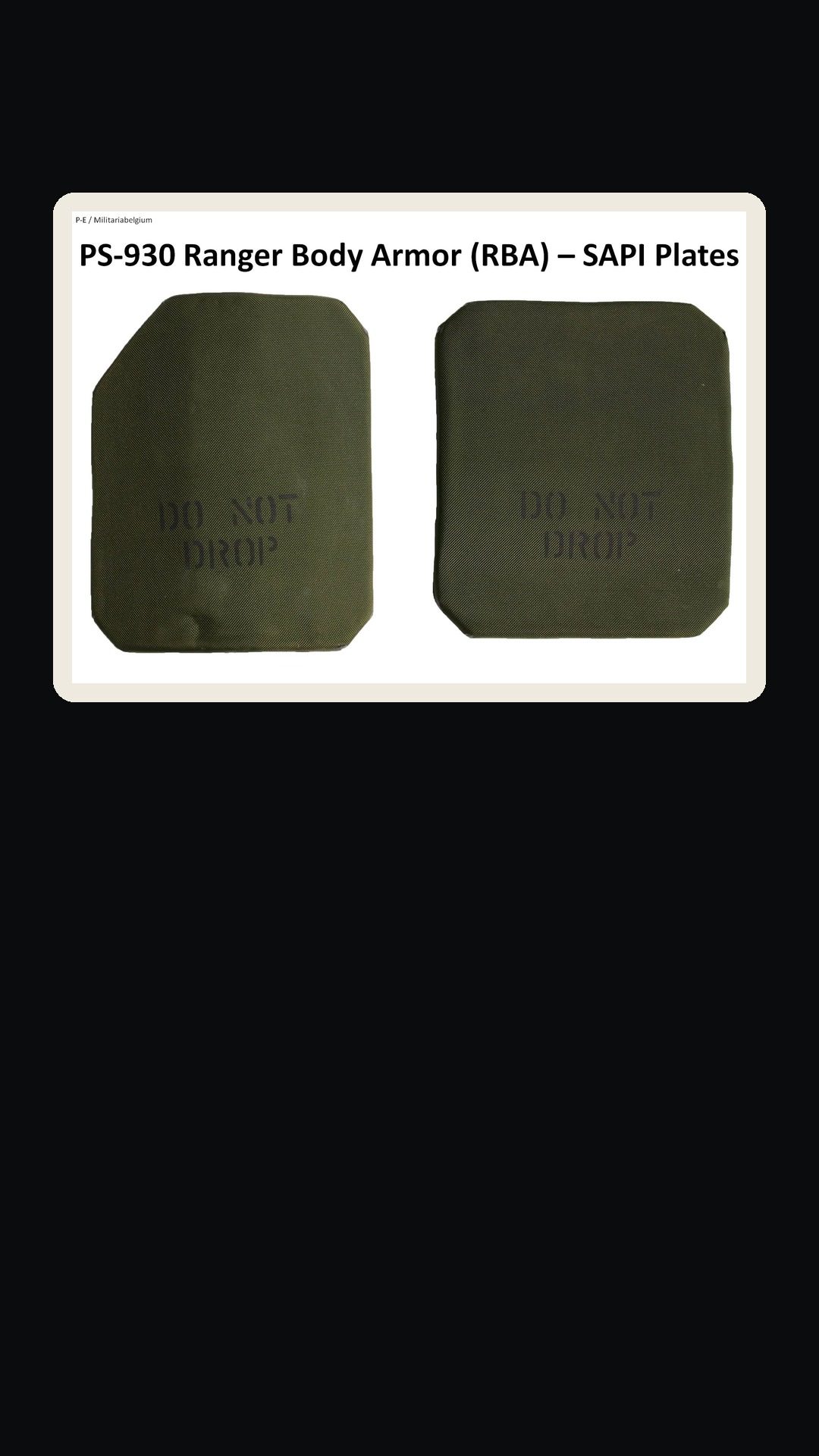
Third hardest thing there is
after diamond, and it stops bullets…
Boron carbide is the third hardest material known, behind diamond and cubic boron nitride — and it is light. That is why it lines the ceramic plates in body armour: hard enough to shatter a rifle round, light enough to wear all day.
Boron carbide (B₄C) is among the hardest known materials (commonly ranked third, after diamond and cubic boron nitride), with low density ~2.52 g/cm³; used in hard-armour plates, abrasives and nozzles.
06 / 08
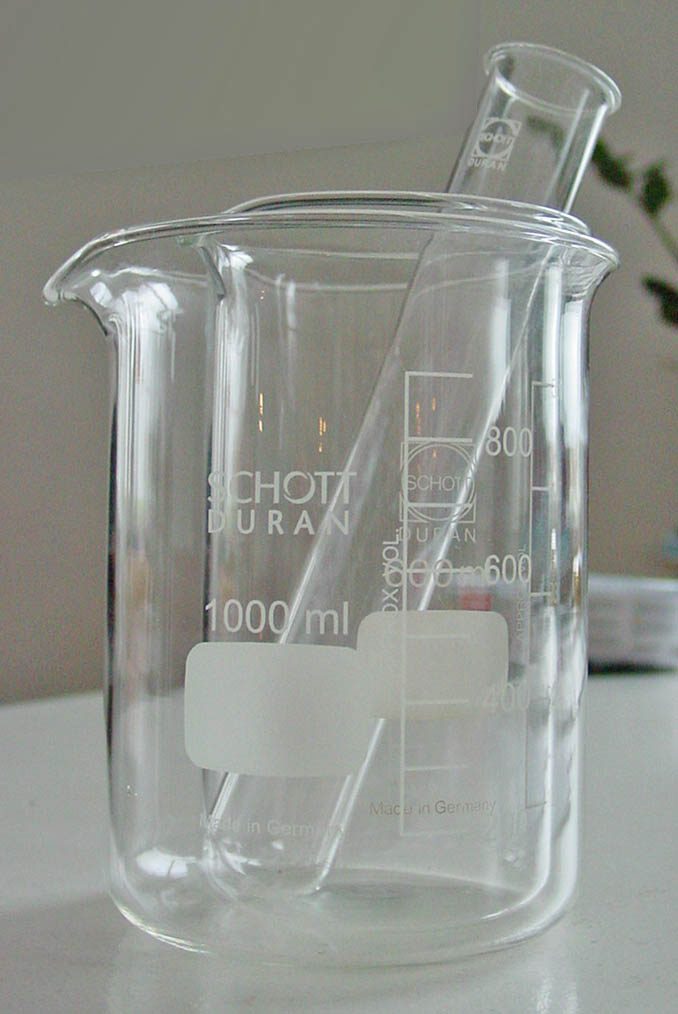
13% boron oxide
and the glass stops cracking…
Add thirteen per cent boron oxide to glass and its expansion with heat drops by more than half. That is Pyrex: pour boiling water in and it will not shatter, because its two ends barely disagree about how much to grow.
Borosilicate glass (Pyrex, Duran) contains ~12–13% B₂O₃, giving a low coefficient of thermal expansion (~3.3×10⁻⁶/K, about a third that of soda-lime glass) and high resistance to thermal shock.
07 / 08
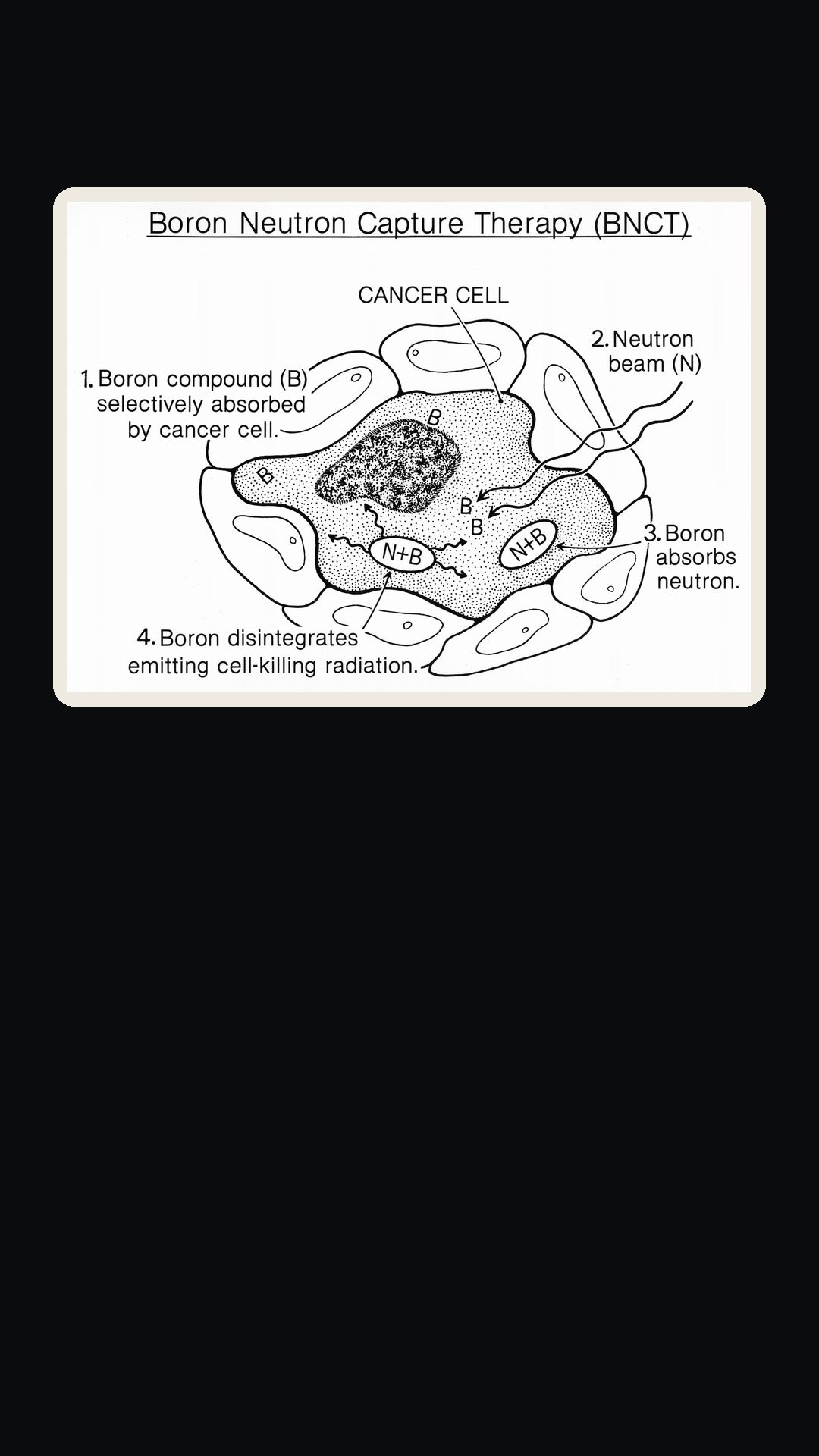
A bomb inside one cell
boron-10, waiting for a neutron…
There is a cancer therapy built on boron. Load a tumour's cells with boron-10, then aim slow neutrons at them. Each boron that catches a neutron splits, firing charged fragments that wreck that one cell and barely reach the next. The bomb goes off only where the boron is.
Boron Neutron Capture Therapy (BNCT): ¹⁰B accumulated in tumour cells captures thermal neutrons via ¹⁰B(n,α)⁷Li, releasing short-range high-LET alpha and lithium particles (~one cell diameter in range) that selectively destroy boron-loaded cells. Used for glioblastoma and head-and-neck cancers.
08 / 08
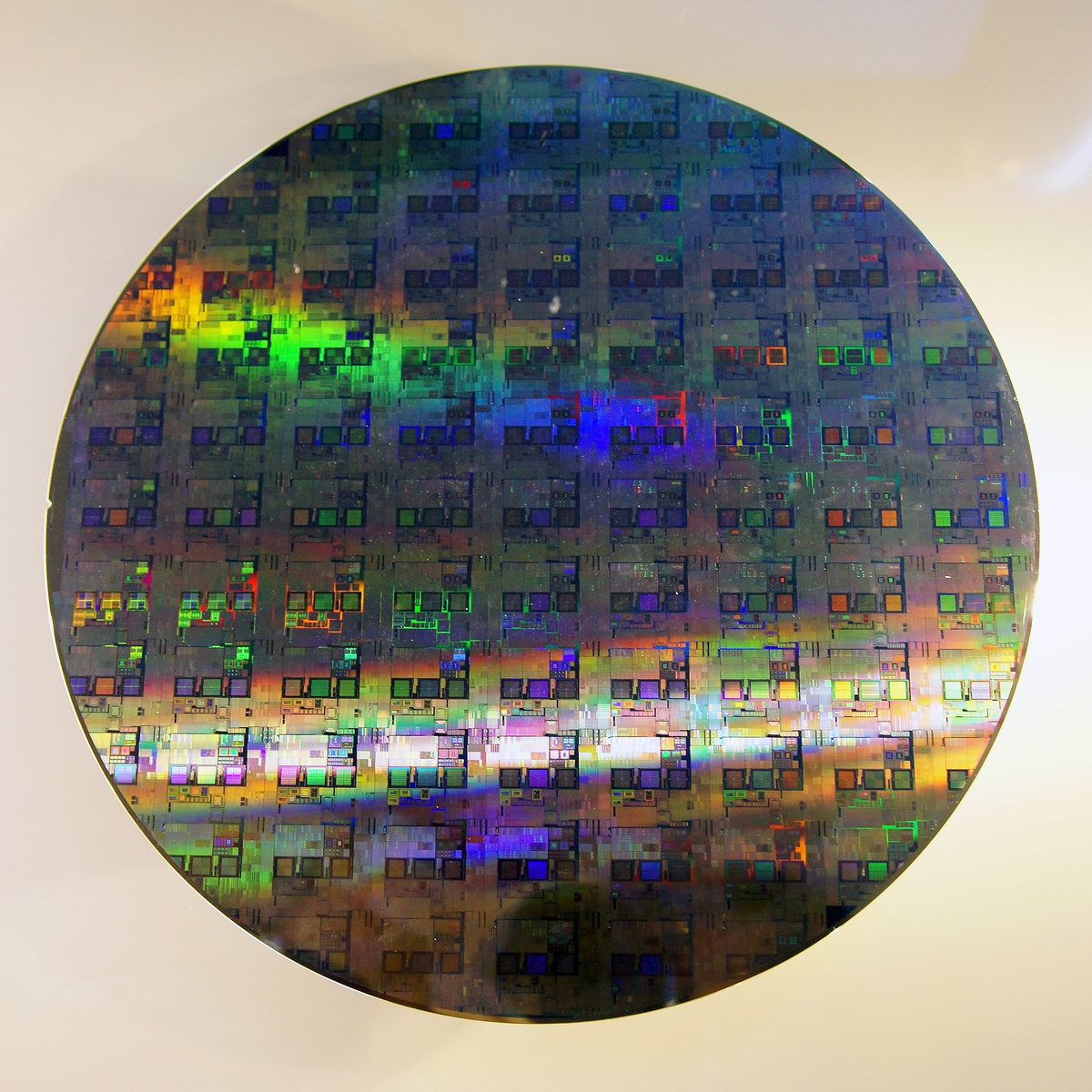
1 in a million
and the digital world turns on it…
Pure silicon barely conducts. Add boron — about one atom for every million silicon — and each one leaves a positive 'hole' that carries charge. That trick turns sand into a transistor. Every chip in every device you own runs on a trace of boron.
Boron is the standard p-type dopant for silicon: substituting boron (3 valence electrons) for silicon (4) creates mobile positive 'holes'. Typical doping is on the order of one boron per 10⁵–10⁷ silicon atoms; essential to virtually all semiconductor devices.
Sources
- Boron is not made by stellar or Big Bang nucleosynthesis (it is consumed in stellar interiors). It forms almost entirely by cosmic-ray spallation of interstellar carbon, nitrogen and oxygen, making it among the rarest of the light elements.
- Boron is electron-deficient (3 valence electrons) and violates the octet rule, forming three-center two-electron (3c–2e) 'banana' bonds, as in diborane (B₂H₆) and the borane cluster cages.
- Neodymium magnets (Nd₂Fe₁₄B) are the strongest commercial permanent magnets; boron is essential to the tetragonal crystal structure that gives the material its high coercivity. Used in motors, hard drives, headphones and wind turbines.
- ¹⁰B thermal-neutron capture cross-section ≈3,837 barns. Boron carbide (B₄C) and borated steel are standard nuclear control-rod and shutdown materials; boron absorbs neutrons to halt the fission chain reaction.
- Boron carbide (B₄C) is among the hardest known materials (commonly ranked third, after diamond and cubic boron nitride), with low density ~2.52 g/cm³; used in hard-armour plates, abrasives and nozzles.
- Borosilicate glass (Pyrex, Duran) contains ~12–13% B₂O₃, giving a low coefficient of thermal expansion (~3.3×10⁻⁶/K, about a third that of soda-lime glass) and high resistance to thermal shock.
- Boron Neutron Capture Therapy (BNCT): ¹⁰B accumulated in tumour cells captures thermal neutrons via ¹⁰B(n,α)⁷Li, releasing short-range high-LET alpha and lithium particles (~one cell diameter in range) that selectively destroy boron-loaded cells. Used for glioblastoma and head-and-neck cancers.
- Boron is the standard p-type dopant for silicon: substituting boron (3 valence electrons) for silicon (4) creates mobile positive 'holes'. Typical doping is on the order of one boron per 10⁵–10⁷ silicon atoms; essential to virtually all semiconductor devices.
Image credits
- Boron mine pit.jpg — Marcin Wichary, CC BY 2.0 · Commons
- The Crab Nebula (weic2326a).jpg — NASA, ESA, CSA, STScI, T. Temim (Princeton University), CC BY 4.0 · Commons
- Lipscomb diborane b2h6 atomic diagram.png — William N. Lipscomb, Jr., Public domain · Commons
- Neodymium magnet - 19-11-2010.JPG — Tremaster at en.wikipedia, Public domain · Commons
- Nuclear reactor core.jpg — Myesd, CC BY-SA 4.0 · Commons
- Ranger Body Armor - SAPI plates.jpg — Collectorofinsignia, CC BY-SA 3.0 · Commons
- Schott Duran glassware.jpg — Skatebiker at English Wikipedia, Public domain · Commons
- Boron neutron capture therapy (bnct) illustration.jpg — Pat Kenny (Illustrator), Public domain · Commons
- 12-inch silicon wafer.jpg — Peellden, CC BY-SA 3.0 · Commons

.jpg)


_illustration.jpg)

More from Periodic Tales
Nº 01
Phosphorus
Element 15. It builds every living thing, and it burns everything it touches.

Nº 02
Hydrogen
The first atom there ever was. Nine out of ten still are.
Nº 03
Helium
Found in the Sun twenty-seven years before anyone found it on Earth.
Nº 04
Lithium
Third element ever made. In your phone, in the bomb, and in the medicine cabinet.
Nº 05
Beryllium
Light enough to fly a space telescope, sweet enough to taste, and one of the deadliest metals to breathe.
Nº 07
Carbon
You are 18% carbon — the same element as the diamond, the pencil, a silent killer, and the blackest black ever made.