Periodic Tales · Nº 07
Carbon
You are 18% carbon — the same element as the diamond, the pencil, a silent killer, and the blackest black ever made.
01 / 08

The coincidence that made you
carbon exists on a knife-edge…
Carbon almost shouldn't exist. Fusing three helium nuclei into one is wildly unlikely — unless carbon has an energy level at exactly the right value. In 1953 Fred Hoyle argued it must exist, because we do. They looked, and found it at 7.65 million electron-volts.
The Hoyle state: an excited resonance of ¹²C near 7.65 MeV, predicted by Fred Hoyle (1953) on anthropic grounds and later confirmed, which enormously enhances the triple-alpha reaction so stars can build carbon.
02 / 08
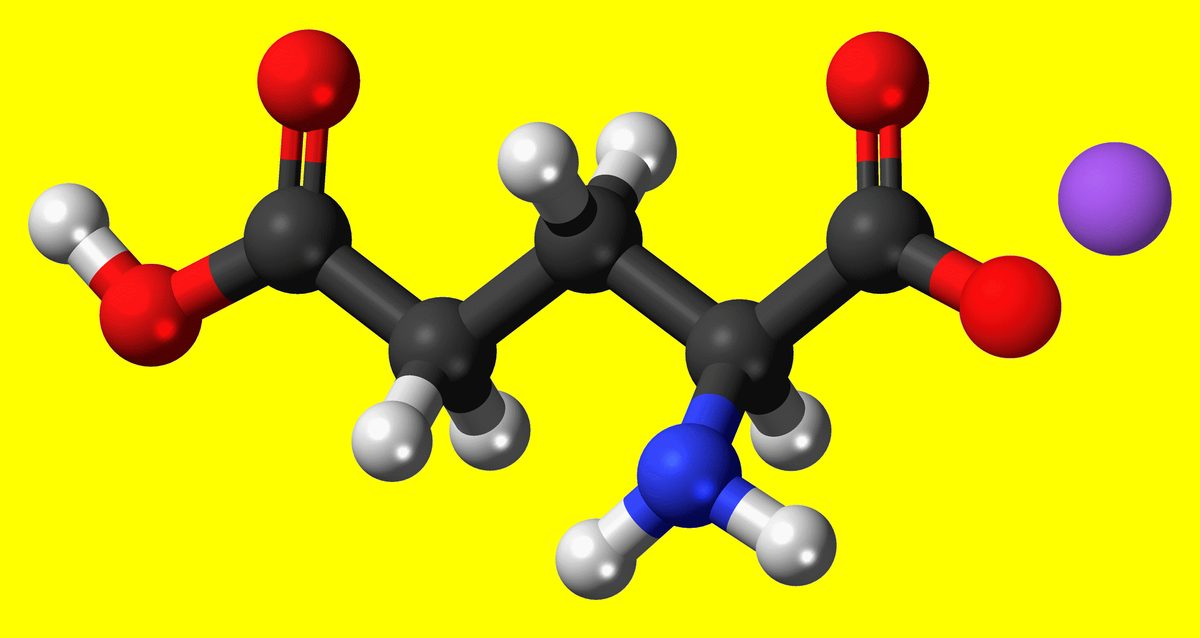
10M compounds
more than every other element combined…
One carbon atom bonds four ways at once, and to itself, without end. From that single trick come more than ten million known compounds — more than all the other hundred-plus elements combined. A whole branch of chemistry, organic chemistry, exists for this one element.
Carbon's tetravalency and catenation give it more known compounds than all other elements combined (well over 10 million characterized); the dedicated field is organic chemistry.
03 / 08
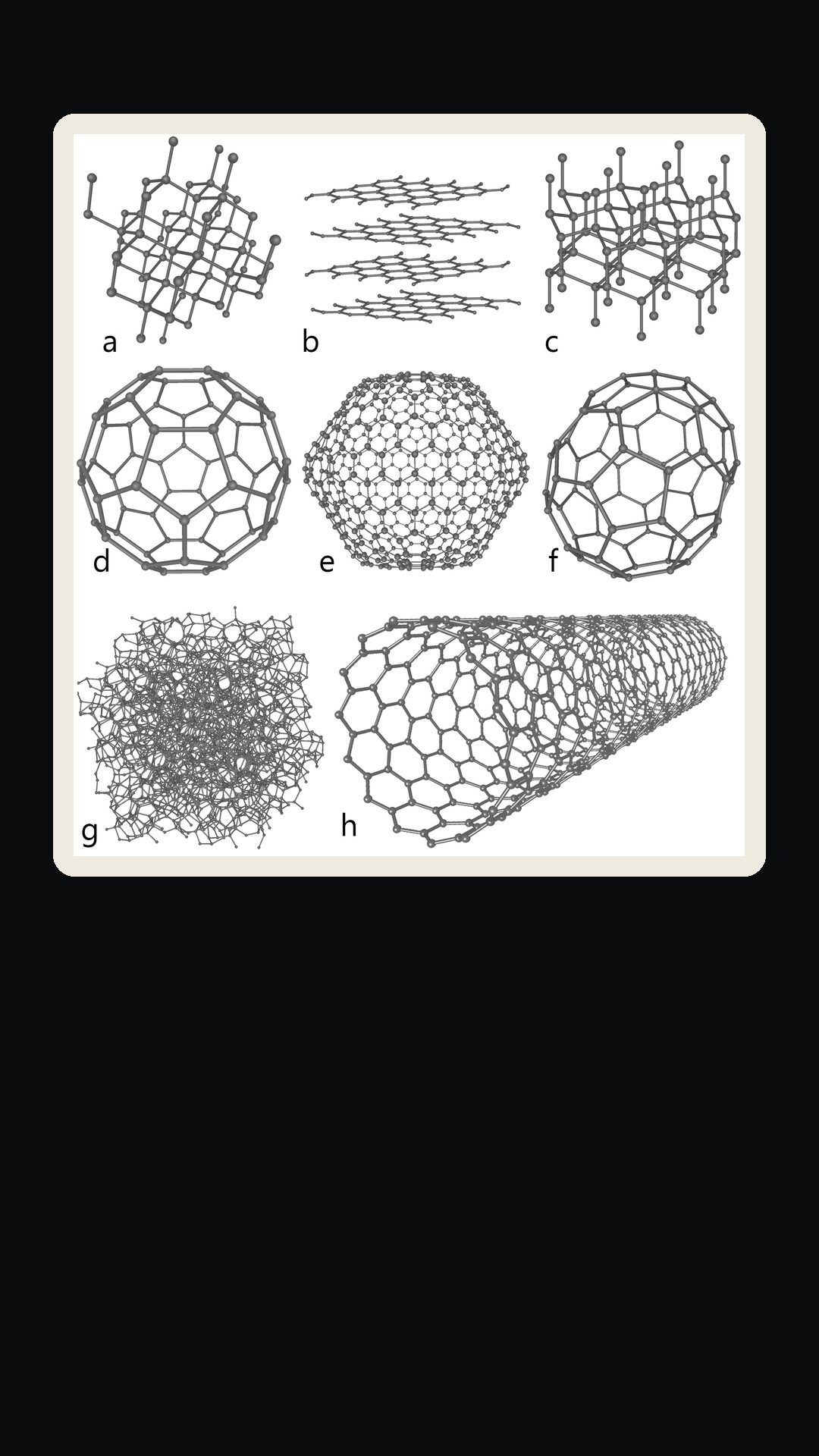
One element, many solids
diamond and pencil lead are both just carbon…
Pure carbon comes in more forms than any element. Diamond, the hardest natural material, and graphite, soft enough to write with, are both nothing but carbon — the difference is only how the atoms join. Add graphene, nanotubes and buckyballs, and one element becomes a catalogue.
Carbon has more allotropes than any element: diamond, graphite, graphene, fullerenes, nanotubes, carbyne, glassy carbon. Diamond (sp³) is the hardest natural material; graphite (sp²) is soft and conductive — identical composition, different bonding.
04 / 08
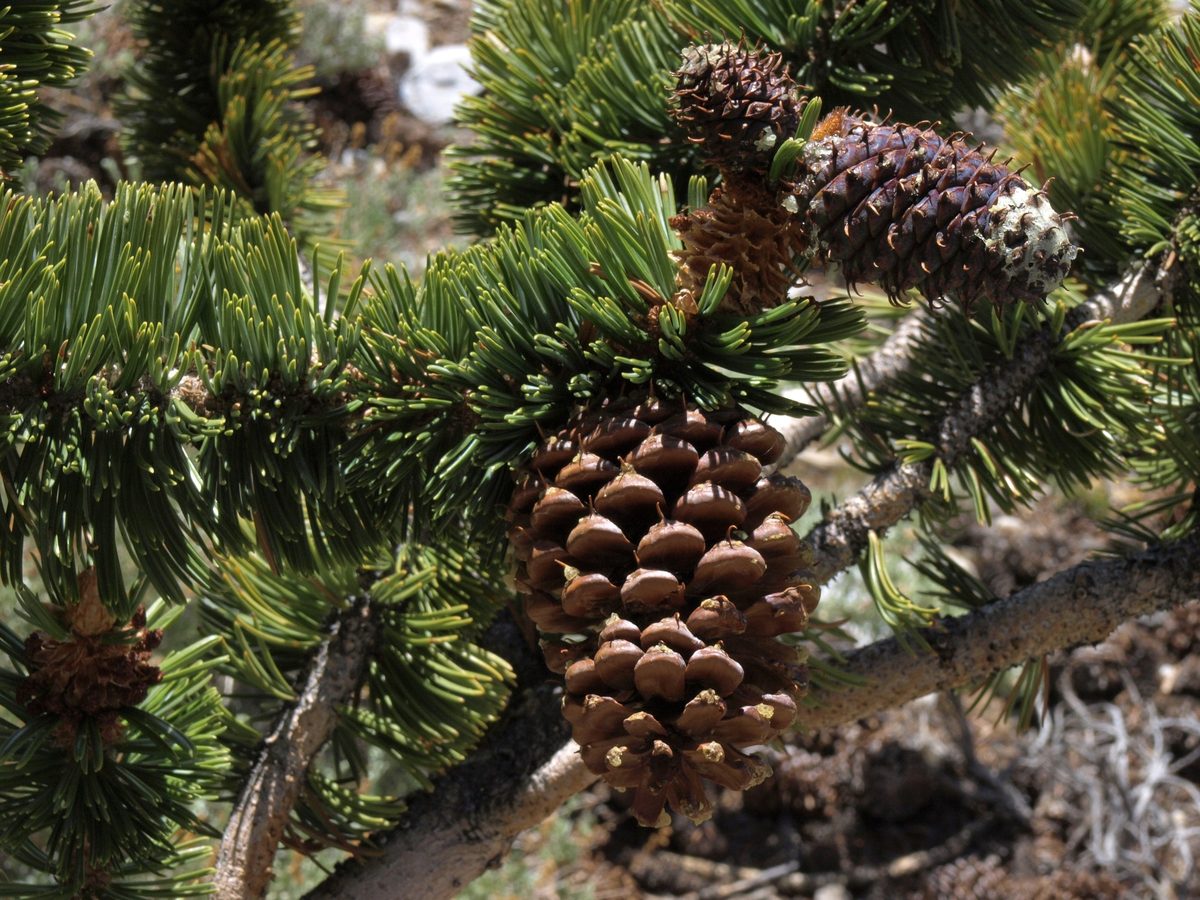
5,730 years
the clock that starts when you stop breathing…
Cosmic rays make a trace of radioactive carbon-14, and everything alive takes it in. Stop breathing, and no more comes in — what you carry decays with a half-life of five thousand seven hundred and thirty years. Count what's left, and you can date the dead.
Radiocarbon dating: ¹⁴C forms when cosmic-ray neutrons strike atmospheric ¹⁴N; living things hold an equilibrium level that decays (half-life 5,730 years) after death, allowing dating to ~50,000 years.
05 / 08
18.5% of you
by weight, second only to oxygen…
By mass you are about eighteen per cent carbon, second only to oxygen. Every protein, every strand of DNA, every fat and sugar in you is built on a skeleton of carbon. When people say life is carbon-based, this is the plain, literal meaning.
Carbon is ~18–18.5% of human body mass, the second most abundant element by mass after oxygen; it forms the structural backbone of proteins, nucleic acids, lipids and carbohydrates.
06 / 08
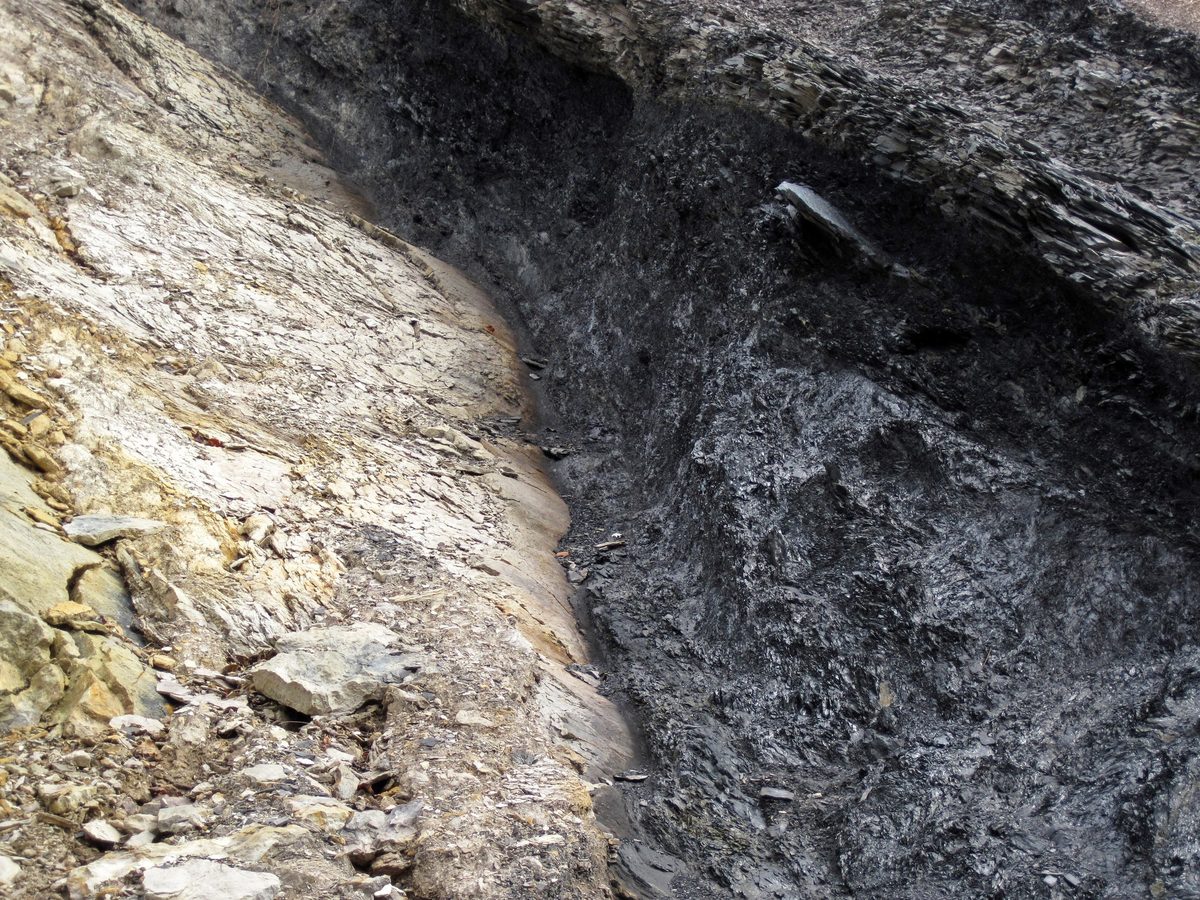
Coal is buried sunlight
from forests that fell 300 million years ago…
Most of the world's coal formed in one stretch of deep time — the Carboniferous — when swamp forests grew and drowned faster than they could rot. So much carbon was buried that oxygen climbed toward thirty-five per cent, and dragonflies grew wings two feet across.
Most major coal deposits formed in the Carboniferous (~359–299 Ma) from wetland forests whose carbon was buried before full decay. Atmospheric O₂ is estimated to have risen to ~30–35%, linked to insect gigantism (e.g. Meganeura).
07 / 08
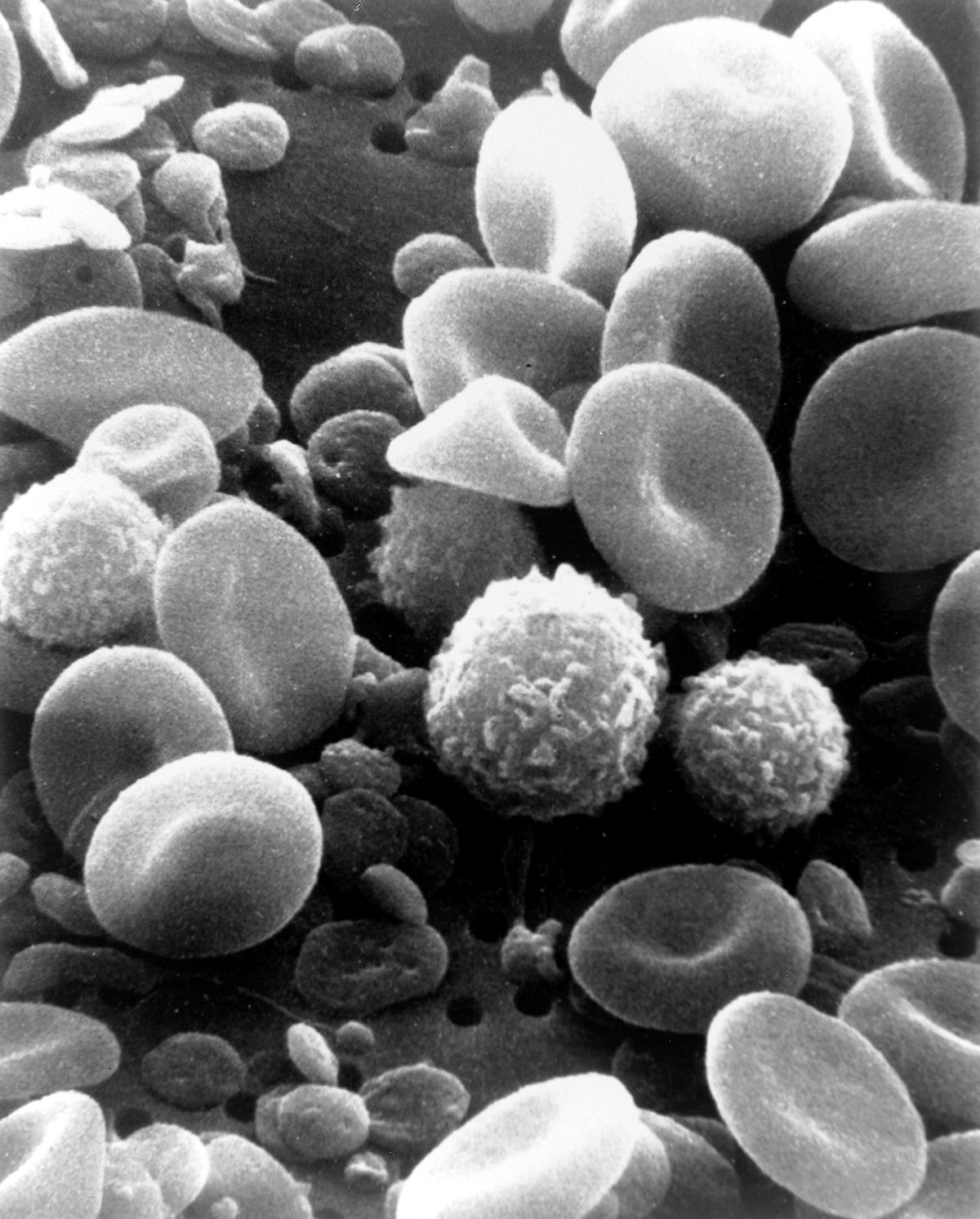
200× tighter
and it will not let go…
Carbon monoxide is one oxygen atom short of the gas you breathe out — and it is a silent killer. It grips the haemoglobin in your blood about two hundred times more tightly than oxygen does, and will not let go. Your cells suffocate while your blood turns cherry-red.
Carbon monoxide (CO) binds haemoglobin with roughly 200–250× the affinity of oxygen, forming carboxyhaemoglobin and blocking oxygen transport; poisoning causes tissue hypoxia, classically with cherry-red skin and blood.
08 / 08

99.965% of light
the darkest thing ever made…
Grow a dense forest of carbon nanotubes and light that lands on it cannot escape — it rattles between the tubes until it fades to heat. The result, Vantablack, swallows 99.965 per cent of visible light. A coated object looks like a hole cut out of the world.
Vantablack, a coating of vertically aligned carbon nanotubes (Surrey NanoSystems, 2014), absorbs up to 99.965% of visible light by trapping photons within the nanotube forest; among the darkest materials ever produced.
Sources
- The Hoyle state: an excited resonance of ¹²C near 7.65 MeV, predicted by Fred Hoyle (1953) on anthropic grounds and later confirmed, which enormously enhances the triple-alpha reaction so stars can build carbon.
- Carbon's tetravalency and catenation give it more known compounds than all other elements combined (well over 10 million characterized); the dedicated field is organic chemistry.
- Carbon has more allotropes than any element: diamond, graphite, graphene, fullerenes, nanotubes, carbyne, glassy carbon. Diamond (sp³) is the hardest natural material; graphite (sp²) is soft and conductive — identical composition, different bonding.
- Radiocarbon dating: ¹⁴C forms when cosmic-ray neutrons strike atmospheric ¹⁴N; living things hold an equilibrium level that decays (half-life 5,730 years) after death, allowing dating to ~50,000 years.
- Carbon is ~18–18.5% of human body mass, the second most abundant element by mass after oxygen; it forms the structural backbone of proteins, nucleic acids, lipids and carbohydrates.
- Most major coal deposits formed in the Carboniferous (~359–299 Ma) from wetland forests whose carbon was buried before full decay. Atmospheric O₂ is estimated to have risen to ~30–35%, linked to insect gigantism (e.g. Meganeura).
- Carbon monoxide (CO) binds haemoglobin with roughly 200–250× the affinity of oxygen, forming carboxyhaemoglobin and blocking oxygen transport; poisoning causes tissue hypoxia, classically with cherry-red skin and blood.
- Vantablack, a coating of vertically aligned carbon nanotubes (Surrey NanoSystems, 2014), absorbs up to 99.965% of visible light by trapping photons within the nanotube forest; among the darkest materials ever produced.
Image credits
- Glassy carbon and a 1cm3 graphite cube HP68-79.jpg — Alchemist-hp (talk) (www.pse-mendelejew.de), FAL · Commons
- Betelgeuse captured by ALMA.jpg — ALMA (ESO/NAOJ/NRAO)/E. O’Gorman/P. Kervella, CC BY 4.0 · Commons
- Monosodium-glutamate-3D-balls.png — Unknown, Public domain · Commons
- Eight Allotropes of Carbon.png — Created by Michael Ströck (mstroeck), CC BY-SA 3.0 · Commons
- Ancient bristlecone pine, Pinus longaeva (17211793968).jpg — Jim Morefield from Nevada, USA, CC BY-SA 2.0 · Commons
- Human silhouette gender neutral front.svg — Sebastian Wallroth, CC0 · Commons
- Sandstone & semi-anthracite coal (Price Formation, Lower Mississippian; Cloyds Mountain roadcut, Valley Coalfield, Virginia, USA) (29849170243).jpg — James St. John, CC BY 2.0 · Commons
- SEM blood cells.jpg — Bruce Wetzel (photographer). Harry Schaefer (photograph, Public domain · Commons
- BMW G06 Vantablack at IAA 2019 IMG 0487.jpg — Alexander Migl, CC BY-SA 4.0 · Commons


.jpg)

_(29849170243).jpg)


More from Periodic Tales
Nº 01
Phosphorus
Element 15. It builds every living thing, and it burns everything it touches.
Nº 02
Hydrogen
The first atom there ever was. Nine out of ten still are.
Nº 03
Helium
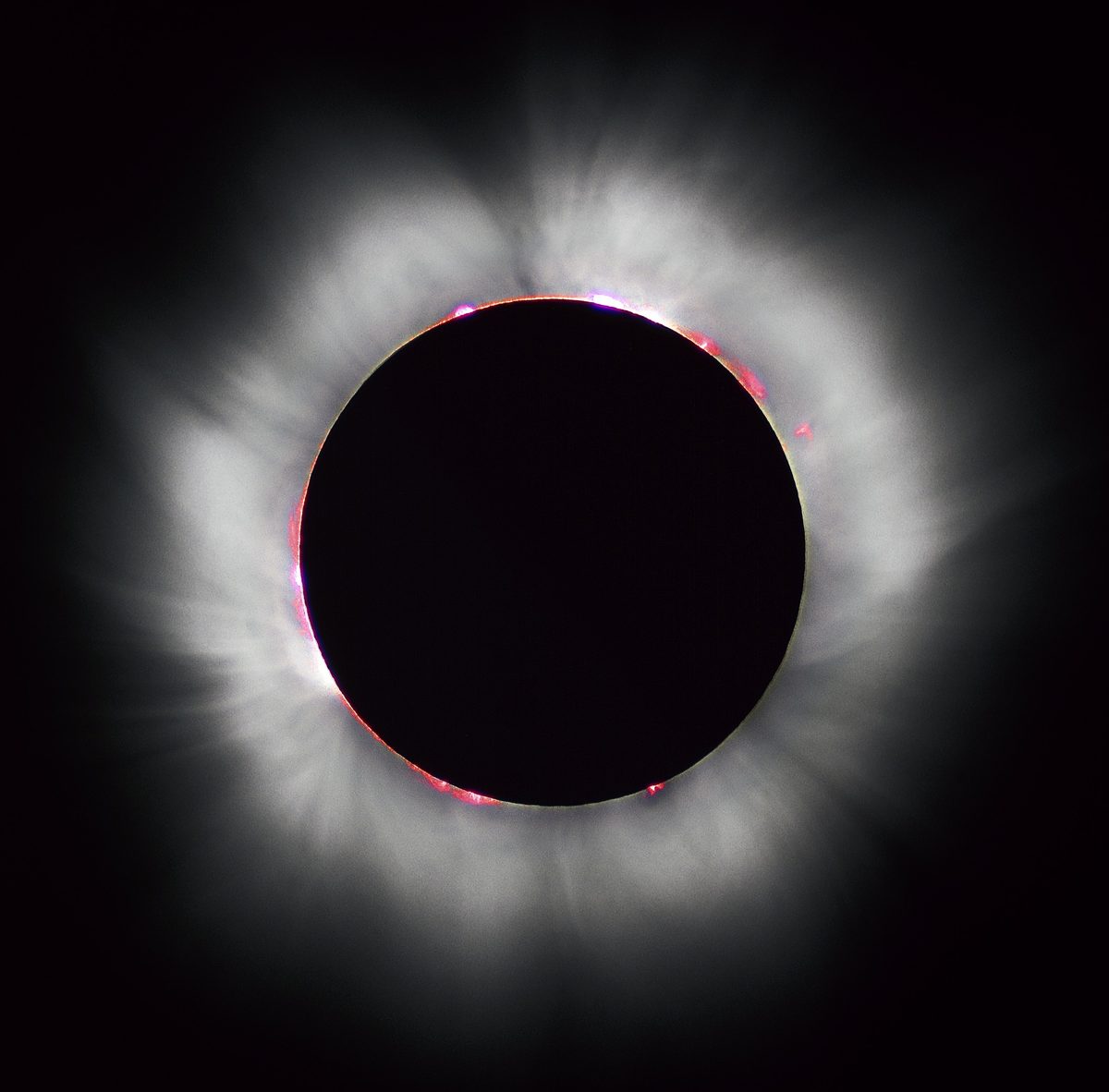
Found in the Sun twenty-seven years before anyone found it on Earth.
Nº 04
Lithium
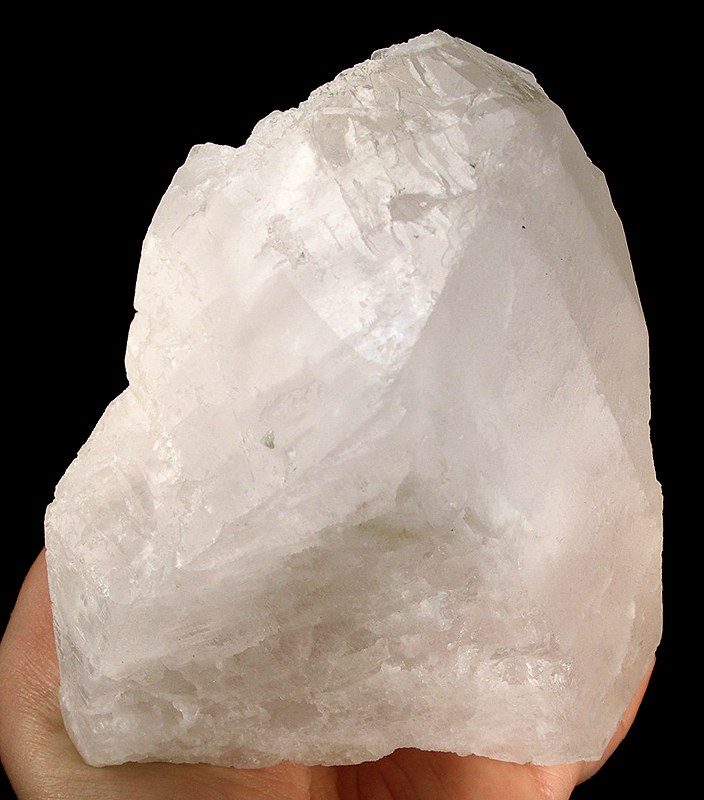
Third element ever made. In your phone, in the bomb, and in the medicine cabinet.
Nº 05
Beryllium
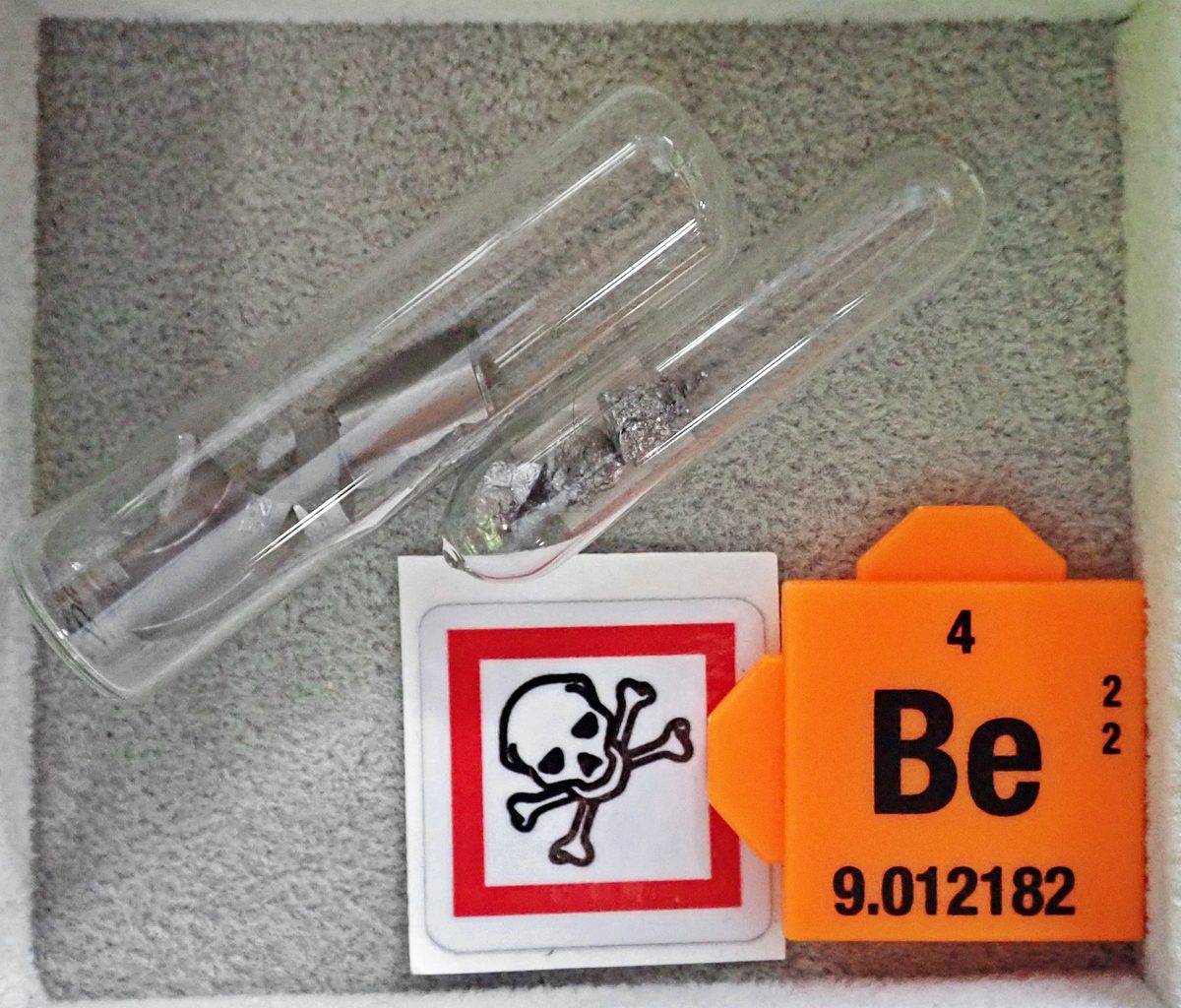
Light enough to fly a space telescope, sweet enough to taste, and one of the deadliest metals to breathe.
Nº 06
Boron
Made only by cosmic rays, then hidden everywhere: in reactor rods, bulletproof plates, and every computer chip.